
Companion Plants
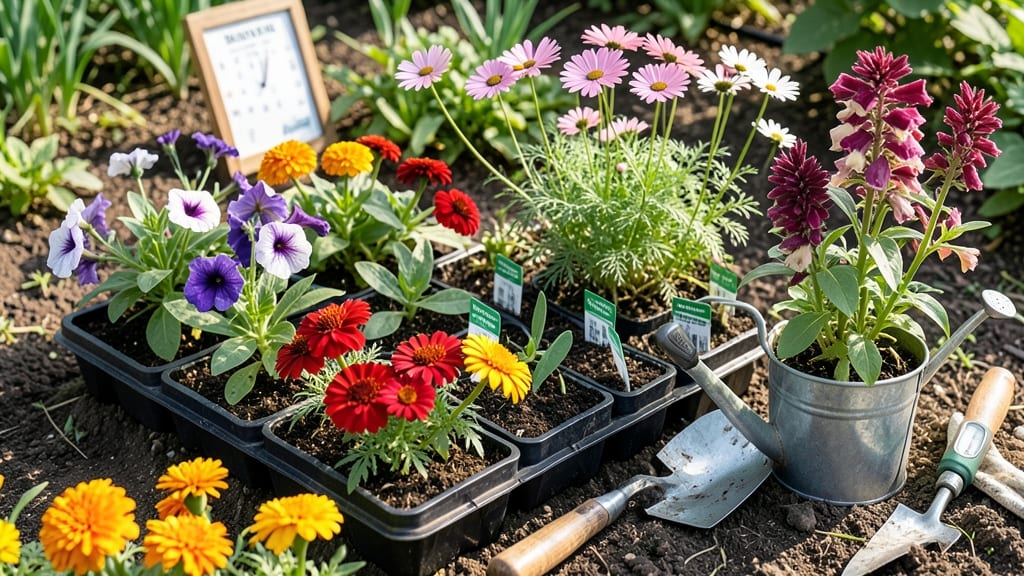
Got this question burning in your mind: When can I plant annuals in Zone 5 without risking frost-killed seedlings or bolting before they bloom?* The answer isn't just about dates—it's about calculating exact weeks before your last frost for foolproof success with 🌸 marigolds, petunias, and basil.
Zone 5 gardeners know the stakes: Plant too early, and you're gambling with frost damage or leggy, weak plants. Too late, and you miss peak summer blooms or harvests.
The key? Understanding your local frost dates and soil temperature thresholds—because what works in western Michigan won't cut it in eastern Pennsylvania.
I'll show you how to pinpoint your perfect planting window using 3 simple steps: tracking frost-free days, adjusting for microclimates, and choosing annuals that match your season. Whether you're dreaming of vibrant summer flowers or crisp fall vegetables, timing is everything.
Let's dive into the exact weeks you should be planting—plus the most common mistakes that even experienced gardeners make. Your Zone 5 garden is about to get a whole lot easier to plan!
Zone 5 last frost dates & exact weeks before planting annuals
Zone 5 spans from northern Illinois to New York, where last frost dates can vary by 2-3 weeks depending on elevation and microclimates. Most areas experience their average last frost between April 15-30, but urban heat islands may push this back by 7-10 days.
For frost-sensitive annuals like petunias or basil, planting 2-3 weeks after your last frost is safest.
Your exact planting window depends on two critical factors: soil temperature (must reach 60°F+) and historical frost data. For example, marigolds can handle light frosts, while geraniums bolt if planted too early. Always calculate 3 weeks before your last frost for warm-season annuals to avoid stunted growth.
Here’s how to translate frost dates into actionable weeks before planting:
Zone 5 Planting Timeline for Annuals
| Plant Type | Last Frost Window | Weeks Before Planting | Soil Temp Requirement | Notes |
|---|---|---|---|---|
| Cool-Season Annuals (Pansies, Lettuce) | Early April - Mid-May | 0-2 weeks before last frost | 45-55°F | Tolerates light frost; ideal for spring/fall |
| Warm-Season Annuals (Tomatoes, Basil) | Mid-May - Early June | 2-3 weeks after last frost | 60°F+ | Wait until soil warms; use row covers if needed |
| Heat-Tolerant Annuals (Marigolds, Zinnias) | Late April - Early May | 1-2 weeks before last frost | 50°F+ | Start early; thrives in heat |
| Fall Annuals (Kale, Pansies) | Late July - Early August | 8-10 weeks before first frost | 55°F+ | Plant after summer heat subsides |
For northern Zone 5 (e.g., Chicago, Detroit), aim for May 10-20 for warm-season annuals, while southern Zone 5 (e.g., St. Louis, Cincinnati) can plant 2 weeks earlier. Always check your local cooperative extension for hyper-local data—urban areas often have 5-7°F warmer microclimates.
Pro tip: Use biodegradable row covers to extend your planting window by 2-3 weeks for frost-sensitive plants like basil or peppers. Remove covers when plants reach 6 inches tall to prevent overheating.
If you’re unsure about your last frost date, use the Almanac’s Frost Calculator (available online) to input your ZIP code. This tool accounts for 30-year averages and gives you a 90% confidence interval for your exact frost window.
Remember: Soil temperature matters more than air temperature. Use a soil thermometer to confirm 60°F+ before planting warm-season annuals. Cold soil can stunt growth even if daytime temps are warm.
For container gardening, warm up pots by placing them on black plastic mulch or using heat mats to accelerate soil warming. This is especially critical for herbs like basil, which need consistent warmth to thrive.
Start your warm-season annuals indoors 4-6 weeks before your last frost date if you’re eager to get a head start. Transplant seedlings when they’ve developed 4-6 true leaves and nighttime temps stay above 50°F.
Zone 5 gardeners often make two common mistakes: planting too early (risking frost damage) or too late (missing peak blooms). The key is balancing frost risk with soil warmth—and knowing which annuals can handle light frosts (like p
Best annuals for early vs. late planting in Zone 5 (with frost tolerance ratings)
Not all annuals play well together in Zone 5's short growing season. Some thrive when planted weeks before your last frost, while others need warm soil temperatures to germinate. The key is matching your planting window to each annual's frost tolerance and heat requirements.
For example, cool-season annuals like pansies and snapdragons can handle light frosts, while warm-season favorites like tomatoes and basil will bolt if planted too early. I’ve broken down the best annuals for early spring and late summer planting, plus their frost tolerance ratings to help you plan like a pro.
🌱 Early Planting (3-4 weeks before last frost): These hardy annuals can handle cooler temps and even light frosts once established. Perfect for spring color and early harvests.
If you’re planting warm-season annuals like tomatoes or basil, wait until the soil temperature hits at least 60°F. Use a soil thermometer to check—cold soil will stunt growth or cause seeds to rot.
For late-summer annuals, like cosmos or sunflowers, start seeds indoors 6-8 weeks before your first frost to ensure they bloom before winter sets in.
One of my biggest mistakes was planting basil too early—it bolted by June! Now, I wait until after Memorial Day (around mid-May) to ensure warm soil and consistent heat.
For pansies, I plant in early April to enjoy blooms all spring, even if we get a late frost.
Remember, microclimates matter. A south-facing bed warms up faster than a shady corner, so adjust your planting timeline accordingly. And if you’re in western Zone 5 (like Colorado), you’ll have 2-3 weeks earlier last frost dates than eastern Zone 5 (like Pennsylvania). Always check your local frost dates!