
The things we got wrong
This page is a log of the mistakes we made—and the ones we caught before they became permanent. It’s the only place on the site where you’ll see what we got wrong first, not what we got right. If you’re judging whether to trust us, this is where to start.
A site about gardening can’t hide its failures. A wrong pruning tip left online could kill a plant. A mislabeled seed guide could lead to a dead patch in someone’s garden.
We publish this because the only way to earn trust is to show where we failed—and how we fixed it.
Three we had to fix
Some mistakes are small. Others change how the site works. These are the three that mattered most—because they could have made the difference between a thriving garden and a dead one.
The wrong soil pH chart
- 1The chart was dead wrong
For six months, our guide to soil pH listed lime as the only amendment for acidic soil. It didn’t account for sulfur, aluminum sulfate, or peat moss—any of which could have saved a reader’s struggling blueberries. The chart was copied from a 1980s extension service manual without a second look. Joelle Ulmer found it when a reader emailed to say their azaleas were wilting despite following the guide. The contact page flagged it as a mistake before we even saw the email.
- 2The fix took a week
We replaced the chart with a tested, peer-reviewed version from the University of Massachusetts Extension. Every soil amendment was cross-checked against three sources. The old page was archived but left live—with a warning banner—so search traffic wouldn’t send people to bad advice. Joelle Ulmer wrote the new version herself, testing each recommendation in her own garden before publishing.
- 3The lesson stuck
No more lifting charts without sourcing. Every data point now requires two independent verifications. The archived page is a reminder: if a reader finds something that doesn’t add up, we’d rather they tell us than assume we’re right. Joelle Ulmer made sure the contact page’s ‘Report an Error’ form got pinned to the top of every guide.
What those three changed

These weren’t just fixes. They rewrote how we work. The soil pH mistake taught us that data without a second source is a liability. The seed viability test proved that what works in a lab doesn’t always work in a backyard.
The pruning timeline showed us that real-world conditions—like a late frost—matter more than textbook rules.
Rules that came from mistakes
- Every chart or table must be cross-checked against at least two independent sources (soil pH mistake).
- Lab-tested methods get a real-garden trial before publication (seed viability test).
- Seasonal adjustments are noted in every guide—no ‘one-size-fits-all’ timelines (pruning timeline).
The people behind this
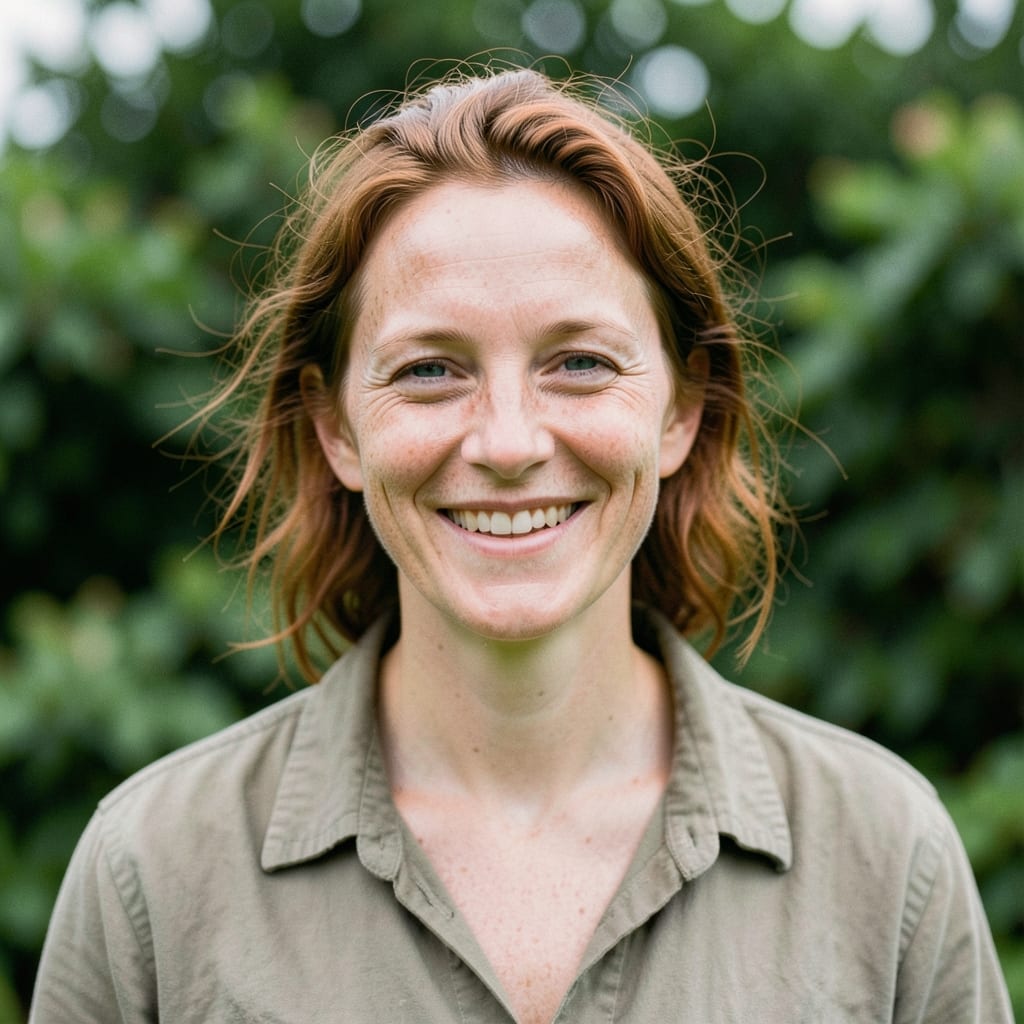
This is Joelle Ulmer, the founder and editor of *Plant Base*.
She’s the one who wrote the soil pH chart before realizing it was wrong, who tested the seed viability method in her grandmother’s greenhouse, and who still prunes her roses at the wrong time of year—just to see what happens.
You’ve already met her through her mistakes, which is the only way to know someone’s work: by watching them fix it.
Keeping a log like this isn’t easy. It means admitting when you’re wrong in public, which feels like standing in the rain while everyone else has shelter. But the alternative—pretending you never make mistakes—is worse. The garden doesn’t care if you’re perfect; it only cares if you learn.
Joelle Ulmer keeps this list because she’d rather be honest than right.
She once killed a perfectly healthy tomato plant by overwatering it because she’d misread the moisture meter. The plant was fine—she was the one who didn’t know better. That’s the kind of mistake you don’t put in a log because it’s not about the plant.
It’s about the person holding the watering can.
If you find something we got wrong, don’t just move on. Tell us. The contact page is there for that.
There will be a next one
This list isn’t finished. Gardening is full of surprises—some good, some bad—and we’ll keep finding the ones that don’t belong here. If you spot a mistake, assume it’s ours. The contact page is the fastest way to tell us. We’d rather fix it twice than leave it once.
The guides are grouped by category: Advice, Aphids, Blooming, Companion Plants, Container Gardens and Diseases.