
Plants
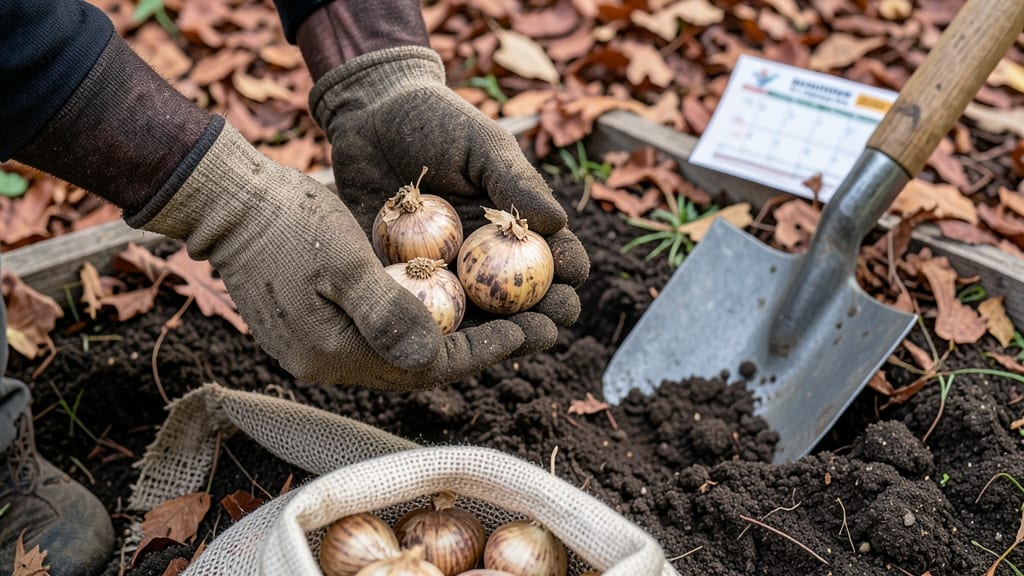
Planting tulips in Oklahoma isn’t just about dropping bulbs in the ground—it’s about beating the clock before frost locks them out for good. With USDA zones 6a-7b and unpredictable winters, timing your 🌷 tulips just right means the difference between showstopping blooms in spring and wasted effort.
Most gardeners in Oklahoma swear by the October-November window, but that’s not a one-size-fits-all rule. Whether you’re in the cooler northern reaches of zone 6b or the milder 7b areas, soil temperature and frost dates shift your deadline by weeks.
Learn how to read your local climate cues to plant with confidence.
Miss the window by even a few weeks, and you risk bulbs rotting in soggy soil or freezing before they root. I’ll walk you through the exact frost-free deadlines for each Oklahoma zone, plus pro tips to stretch your planting window—because even late starters can still get those April-May blooms.
Ready to turn your garden into a springtime explosion of color? Let’s dive into the science behind Oklahoma’s tulip timeline and how to make every bulb count.
Oklahoma tulip planting deadlines by USDA Zone (with frost-date adjustments)
Oklahoma’s three USDA zones—6b, 7a, and 7b—dictate your tulip planting window, but frost dates are the real deadline. Plant too early, and roots rot; too late, and bulbs won’t establish before winter. Aim for 40–50°F soil and 4–6 weeks before ground freezes for optimal success.
Most Oklahoma gardeners fall into Zone 7a (central/southern OK), where the average first frost hits November 15. Count backward: October 15–November 1 is your prime window. For Zone 6b (northwest OK), plant by October 1–15; Zone 7b (south OK) can stretch until November 10.
Use a soil thermometer to confirm readiness—tulips need 40–50°F soil to root. If temps drop below 32°F before bulbs establish, they’ll fail. Check NOAA frost maps for your exact location; northern OK freezes earlier than the panhandle.
Pro tip: Early October is the safest bet for most gardeners. Plant 6–8 inches deep and 4–6 inches apart in well-draining soil. Mulch with 2–3 inches of straw after planting to insulate roots through winter.
If your soil stays above 50°F past November 1, wait until temps drop closer to 40°F—warm soil speeds up root growth, but bulbs need cold dormancy to bloom. Use a thermometer buried 6 inches deep to track progress.
For Zone 7b gardeners, late November can still work if you use extra mulch (4+ inches) to protect bulbs. However, blooms may be smaller or delayed if roots don’t establish fully before winter.
Missed the window? Don’t panic—container planting or cold frames can extend your deadline by 2–3 weeks. Just ensure bulbs get 6+ hours of sun and consistent moisture until roots form.
Remember: Tulips need cold to bloom. If Oklahoma’s winter is mild (40°F+ for months), bulbs may rot or fail to flower. Chill bulbs in the fridge for 12–16 weeks if your winter is unusually warm.
After planting, mark your beds with flags or stakes—tulip foliage disappears by summer, and you’ll forget where they’re planted! Next spring, remove dead leaves only after they yellow, or you’ll starve next year’s blooms.
5 Critical factors that change your Oklahoma tulip planting timeline
Oklahoma’s tulip planting success hinges on more than just dates—soil temperature, bulb size, and even your microclimate can shift your ideal window by weeks. For example, a large bulb (16+ oz) roots faster than a small one, giving you 10–14 extra days to plant.
Test soil temps with a thermometer; tulips need 40–50°F for root growth, not just cool air.
Your garden’s microclimate matters too. A south-facing bed stays warmer longer, while a north-facing spot may freeze weeks earlier. Plant Zone 6b gardeners in sheltered areas first—they lose 2–3 weeks compared to open fields. Use a windbreak or mulch heavily to extend your window by 1–2 weeks in exposed areas.
- 🌡️ Soil Temperature: Plant when soil hits 40–50°F (air temp ≠ soil temp!). Use a thermometer—warm soil speeds up rot.
- 🌱 Bulb Size: Large bulbs (16+ oz) root faster, giving you 2 extra weeks to plant. Small bulbs need earlier planting.
- 🏡 Microclimate: South-facing beds stay warmer; north-facing spots freeze earlier. Plant Zone 6b in sheltered areas first.
- 🍂 Mulch Depth: Add 2–4 inches of straw after planting. Extra mulch (4+ inches) extends your window by 1–2 weeks in Zone 7b.
- ❄️ Frost Forecasts: Check NOAA’s 10-day outlook. If frost is predicted within 3 weeks, plant immediately—even if soil isn’t ideal.
Mulching is your secret weapon. A 2–3 inch layer of straw after planting insulates bulbs, but 4+ inches can push your Zone 7b deadline into early December. Just avoid wet mulch—it traps moisture and causes rot. For Zone 6b, mulch earlier (by October 1) to delay frost.
Don’t ignore frost forecasts. If NOAA predicts frost within 3 weeks, plant immediately—even if soil isn’t perfect. Bulbs need 4–6 weeks to root, but 32°F air temps can kill unrooted bulbs overnight. Use row covers for an extra 2–3°F of protection if frost threatens early.
Pro move: Pre-chill bulbs if Oklahoma’s winter is mild. Store bulbs in the fridge for 12–16 weeks before planting to mimic cold dormancy. This tricks bulbs into thinking winter has passed, ensuring stronger blooms next spring—critical for Zone 7b gardeners with warm winters.