
Plants
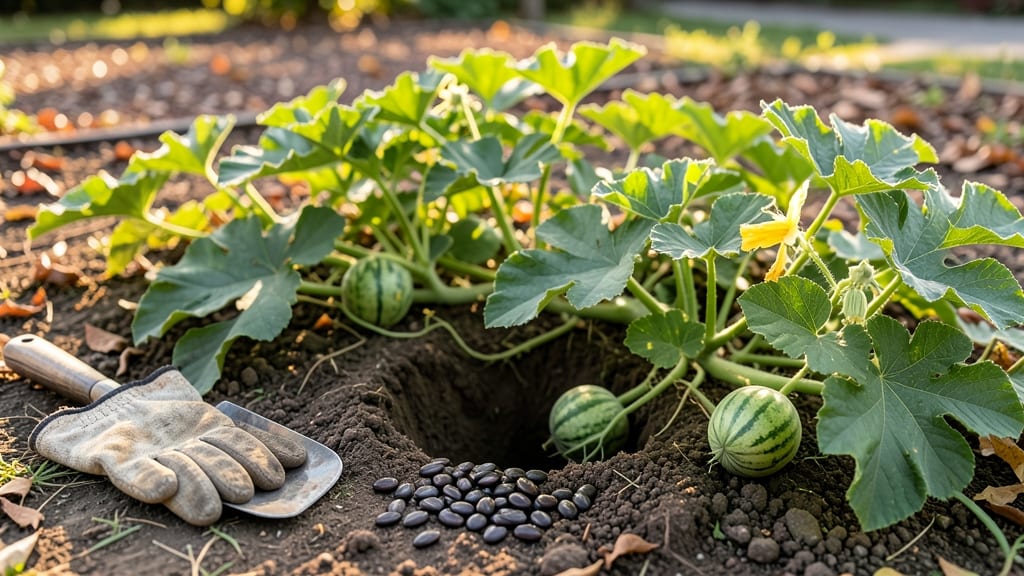
Planting watermelon seeds in California at the wrong time can leave you with bitter fruit—or worse, no harvest at all. The Golden State’s dramatic shifts from coastal chill to desert heat mean timing is everything for avoiding bolting and maximizing sweet yields.
I’ve grown watermelons across CA’s microclimates, and the difference between a 50-pound monster and a sad, seedy failure often comes down to when you put those seeds in the ground.
Whether you’re in frost-prone coastal zones or sweltering inland valleys, knowing the exact window for your area is the key to success.
Here’s what you need to know: soil temperatures must hit 70°F+ for germination, and frost-free dates vary wildly by region. I’ll break down the best months for spring and fall planting, plus pro tips to outsmart California’s unpredictable weather—so you can go from seed to slice without the guesswork.
Ready to grow watermelons that actually thrive? Let’s dive into the planting schedule that works for your corner of the state, whether you’re in the Central Valley or near the coast.
California watermelon planting calendar by microclimate: coastal vs. Valley vs. desert
Watermelons thrive in California’s warm soil and long summers, but timing varies wildly by region. Coastal areas like San Francisco have cooler springs and delayed heat, while the Central Valley and desert regions can scorch seeds if planted too early.
Let’s break down the optimal planting windows for each microclimate to avoid bolting (premature flowering) or missed harvests.
Your first clue is soil temperature: watermelon seeds need 70°F+ soil to germinate. Use a soil thermometer—planting too soon in cool soil leads to rotten seeds or stunted growth.
In coastal zones, wait until May 15-June 1; inland areas can start as early as March 15-April 1.
Here’s how to align your planting with California’s 3 key regions, including frost-free dates and ideal transplant windows:
For coastal gardeners, I recommend starting seeds indoors in March under grow lights and transplanting after May 15. The Central Valley can direct-sow as early as March 15, but cover seeds with black plastic mulch to warm the soil faster.
In the desert, plant February 15-March 15 to beat the summer monsoons that can crack fruit.
Pro tip: Use biodegradable seed starters or peat pots to avoid transplant shock. In cooler coastal areas, opt for smaller varieties like 'Sugar Baby' (55 days to maturity) to fit the shorter season. Inland gardeners can try 'Crimson Sweet' (80 days) for larger fruit.
Watch for false starts—some years, March heat waves in the Valley trick you into planting too soon. Wait until nighttime temps stay above 55°F consistently. If your seeds sprout but yellow and wilt, it’s a sign the soil’s still too cold.
In that case, mulch heavily with straw or black plastic to lock in heat.
Fall planting is also possible in cooler regions. Sow seeds July 15-August 15 for a late-summer harvest before the first frost. This works best in USDA Zone 8+ (most of CA). Use shade cloth in September to protect fruit from sun scorch as days shorten.
Remember: Watermelons need space—plan for 3-6 feet between vines (depending on variety). In urban gardens, choose bush types like 'Black Diamond' (compact vines) to save room. And always trellis if space is tight—it’s a game-changer for small yards.
🌱
5 Pro tips to prevent bolting in California’s unpredictable spring heat
California’s spring heat can turn your eager watermelon seedlings into bolting disasters overnight. When days warm up too fast, plants shift from leaf growth to flowering—leaving you with tiny, bitter fruit instead of juicy harvests.
I’ve lost entire crops to this, but these 5 science-backed strategies have saved my melons year after year in hot microclimates.
The key is slowing down vines until they’re ready. Start by choosing shade cloth rated for 30-50% blockage and drape it over seedlings during peak afternoon sun (12 PM–4 PM). This mimics cooler coastal conditions while letting light through for photosynthesis.
I use floating row covers for the first 2 weeks after transplanting in the Central Valley—it buys me critical time to harden off plants.
For transplanted seedlings, I’ve had success with a two-step hardening process. First, move pots outside during the day but bring them in at night for 5 days. Then, leave them out overnight for another 5 days.
This mimics natural temperature shifts and prevents shock-induced bolting. Pair this with drip irrigation at the base—never overhead watering, which cools leaves but can stress roots.
Pro tip: If you see the first true leaves turning yellow or plants stretching toward the sun, it’s too late for shade cloth. Instead, prune the first few flowers that appear—this redirects energy back to vine growth.
I’ve saved plants this way even after they’d started bolting prematurely. The goal is to keep vines growing 3-4 feet long before letting them flower.
Remember, soil temperature matters more than air temperature. Use a soil thermometer to confirm it’s at least 70°F before planting, but don’t let it exceed 85°F for extended periods.
In desert regions like the Coachella Valley, I plant in late May or early June when nights cool slightly—this gives vines time to establish before summer’s peak heat arrives.
With these tricks, you’ll avoid the heartbreak of bolting and enjoy full-sized, sweet watermelons instead of sad little nubs. The secret? Patience and precision—two things California’s unpredictable weather demands of us gardeners.