
Plants
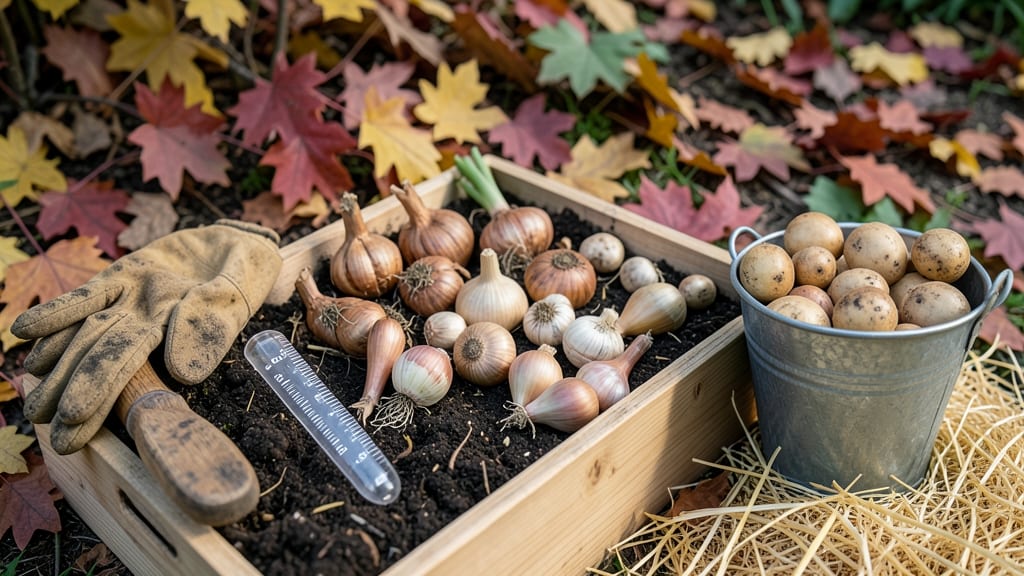
If you've ever wondered when is the best time to plant bulbs in the fall, the answer isn't just "as soon as possible"—it's a delicate balance between soil temperature and your local frost date.
In USDA Zone 6a, like many gardeners, you've got a narrow window to get those 🌱 bulbs in the ground before winter sets in.
The key is planting 4-6 weeks before your first frost, typically between mid-September and early November. This timing ensures bulbs establish roots but don't sprout too soon, which can lead to winter kill.
Whether you're planting tulips, daffodils, or crocuses, understanding this window is the first step to a vibrant spring display.
But here's where it gets interesting: not all bulbs have the same chill requirements. Some varieties need 12+ hours of cold to bloom properly, while others thrive with less.
I'll break down exactly how to match your climate to the right bulbs so you're not left with half-hearted blooms next spring.
Ready to transform your fall garden into a spring spectacle? Let's dive into the exact planting schedule, soil prep secrets, and post-planting care that will have your bulbs popping up like clockwork. Your future self will thank you when those first green shoots break through the soil in April.
Fall bulb planting calendar by USDA Zone: exact months for success
Timing your fall bulb planting is the secret to vibrant spring blooms. The general rule? Aim for 4–6 weeks before the first hard frost in your area. This window ensures bulbs establish roots before winter dormancy but don’t sprout too early.
For USDA Zones 3–10, I’ll break down the exact months and soil temperature thresholds to follow.
In colder zones (3–6), like Minnesota or Maine, plant bulbs between mid-September and mid-October. Soil temperatures should hover around 40–50°F—warm enough for root growth but cool enough to prevent premature sprouting.
In warmer zones (7–10), such as Texas or Florida, extend your window to October–November, as frost arrives later or not at all.
Pro tip: Use your local frost date as your anchor. Check resources like the Old Farmer’s Almanac or your USDA Zone map for precise timing. For example, in Zone 5 (like Chicago), aim for early October, while Zone 8 (like Atlanta) can plant until late November.
Soil temperature is just as critical as calendar dates. Bulbs need 40–50°F soil to root but below 60°F to avoid sprouting. Use a soil thermometer to confirm conditions—this is especially key in unpredictable climates like the Pacific Northwest.
If you’re in a transition zone (e.g., 6b–7a), like parts of Virginia or Oregon, err on the earlier side. Plant by mid-October to account for variable weather. Late frosts can damage tender shoots, so don’t wait until December, even if the ground isn’t frozen.
For container gardening, the same rules apply, but monitor soil moisture more closely. Containers warm up faster and dry out quicker, so plant 1–2 weeks earlier than in-ground bulbs to give roots time to establish before winter.
🌱
| USDA Zone | Ideal Planting Month | Soil Temp Range | Key Notes |
|---|---|---|---|
| Zones 3–4 | Mid-September to early October | 40–50°F | Early frost risk; use mulch |
| Zones 5–6 | Early to mid-October | 45–55°F | Classic tulip/daffodil zone |
| Zones 7–8 | October to early November | 50–60°F | Low-chill varieties preferred |
| Zones 9–10 | November to December | 55–65°F | No frost; plant anytime |
Regional microclimates can shift your timeline by 2–4 weeks. For example, coastal areas (like San Francisco) may plant later due to milder winters, while inland zones (like Denver) need to plant earlier. Adjust based on your elevation and local frost patterns.
After planting, add a 2–3 inch layer of mulch to insulate bulbs and retain moisture. This is non-negotiable in zones with freeze-thaw cycles, like Zone 6. Mulch prevents heaving (bulbs popping out of the ground) and protects roots from temperature swings.
For late bloomers, like fritillaria or allium, plant 1–2 weeks later than tulips or daffodils. These varieties often need slightly warmer soil to trigger root growth without sprouting prematurely.
🌿
Chill-hour requirements for fall bulbs: match varieties to your climate
Not all bulbs are created equal when it comes to cold requirements. Chill hours—the number of hours below 40°F (4°C) a bulb needs to bloom—can vary wildly. For example, tulips typically need 12–16 hours of chill, while daffodils often thrive with just 6–10 hours.
If you live in USDA Zones 7–10, where winters are milder, you’ll need low-chill varieties like grape hyacinths or crocuses to avoid disappointment.
In colder zones (3–6), most traditional bulbs will perform well, but even there, some varieties—like paperwhite narcissus—require 0 chill hours and can bloom indoors year-round. The key is checking the chill-hour range on your bulb packaging or seed catalog before buying.
For instance, fritillaries need 20+ hours of chill, making them risky in warmer climates.
Here’s how to decode chill-hour labels: 0–5 hours means the bulb can handle mild winters (ideal for Zones 7–10), while 15–24 hours signals a bulb built for harsh winters (perfect for Zones 3–6). If you’re unsure, opt for daffodils or alliums, which are famously adaptable across zones.
If you’re in a transition zone (like Zone 7), where winters can be unpredictable, consider planting a mix of low-chill and medium-chill bulbs. For example, pair daffodils (6–10 hours) with tulips (12–16 hours)—the daffodils will bloom reliably even if the tulips struggle.
Pro tip: Paperwhites (0 chill hours) can be forced indoors in late fall for a holiday centerpiece!
One more tip: Soil temperature matters just as much as air temperature. Use a soil thermometer to confirm your soil is between 40–60°F (4–15°C) before planting. Cold soil can stunt root growth, while soil that’s too warm may cause bulbs to sprout prematurely.
In warmer zones (8–10), plant low-chill bulbs in late fall or early winter to align with natural cooling trends.
Now that you’ve matched your bulbs to your climate, your next step is ensuring they get the perfect planting conditions—and avoiding the 5 critical mistakes that can derail even the best-laid plans. Let’s tackle those next to guarantee your bulbs thrive from fall to spring.