
Trees
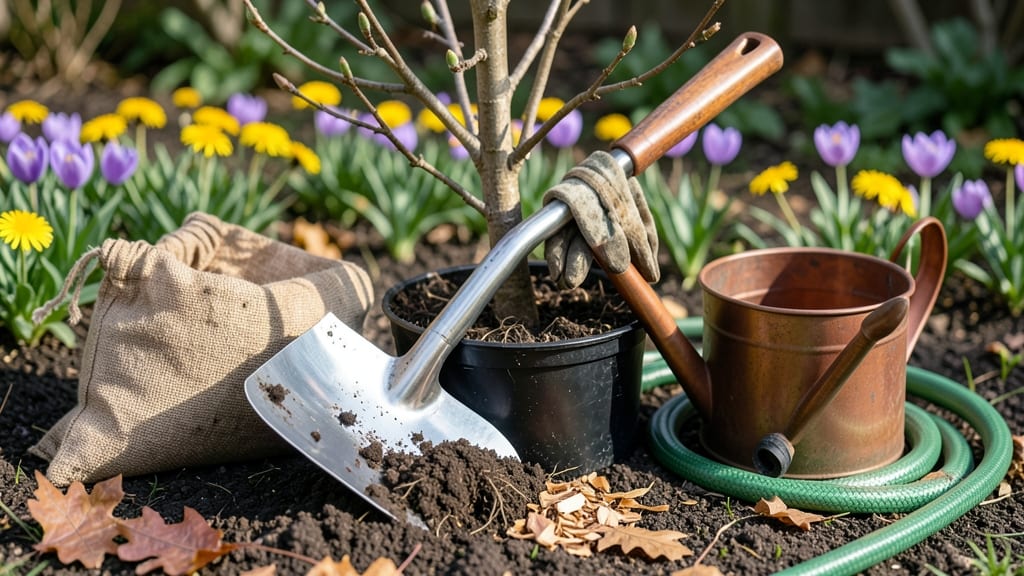
If you're wondering when is the best time to plant trees in Illinois, timing isn't just about picking a month—it's about giving your 🌳 the perfect window to thrive in zones 5-6.
Plant too early, and frost will shock delicate roots; too late, and your tree might struggle to establish before winter. The key is understanding Illinois' unique climate patterns and how they affect different tree species.
Most Illinois gardeners know fall is ideal, but did you know early spring offers another strong opportunity? We'll break down exactly why September through November gives trees the best start—and how to adjust for your specific zone.
Whether you're planting an oak that will one day provide shade for generations or a fast-growing maple for quick color, getting the timing right makes all the difference.
What happens when you plant outside these windows? You might end up with stunted growth, increased vulnerability to disease, or even tree death. I'll show you how to read your local microclimate, prepare your soil properly, and choose the perfect species for your yard's conditions.
Let's get your trees off to the strongest possible start.
Ready to transform your landscape with healthy, long-lived trees? We'll cover everything from soil prep to species selection, so you can plant with confidence—no guesswork required. Your future shade (and curb appeal) will thank you!
Illinois planting zones: when to plant trees based on hardiness and soil conditions
Illinois spans USDA hardiness zones 5a through 6b, meaning your tree-planting window varies by region. Northern areas (like Chicago) fall into zones 5a-5b, while southern regions (like St. Louis) reach up to 6b.
These zones determine when soil thaws enough for root growth—critical for bare-root trees—and when frost dates allow safe planting.
In northern Illinois (zones 5a-5b), aim to plant between late April and mid-May for spring or October through early November for fall. Southern Illinois (zones 6a-6b) can start as early as March in spring or push planting to mid-November in fall.
The key? Plant when soil temps stay above 40°F for 10+ days.
Soil conditions matter just as much as timing. Illinois’ clay-heavy soils in the north (like Kankakee County) need amendments like compost or sand to improve drainage, while loamy soils in the south (like Jackson County) drain well naturally.
Test your soil’s pH (6.0-7.0 ideal) and organic matter (3-5%) before planting—especially for acid-loving trees like oaks.
🌱 Illinois Tree Planting Zones & Optimal Months
| Zone | Spring Window | Fall Window | Soil Prep Tip |
|---|---|---|---|
| 5a (North) | Late April–Mid-May | October–Early Nov | Add compost to clay soils |
| 5b (Central) | Mid-April–Early May | Late Sept–Mid-Nov | Test pH; lime if acidic |
| 6a (South) | March–April | Oct–Late Nov | Mulch to retain moisture |
| 6b (Extreme South) | Feb–March | Nov–Early Dec | Aerate compacted soils |
💡 Pro Tip: Use the Illinois Extension Planting Calendar to check your exact last frost date.
Evergreen trees like arborvitae or juniper need even more precision. Plant them in early spring (March-April) to avoid winter desiccation. Deciduous trees (like maples or oaks) thrive when planted in fall, giving roots time to establish before spring growth.
For container-grown trees, you have more flexibility—plant anytime soil isn’t frozen. But bare-root trees demand timing: their roots must establish before first frost. In zone 5a, that’s October 15; in zone 6b, it’s November 15.
Urban areas (like Chicago) often have warmer microclimates due to pavement, so plant 1-2 weeks earlier than rural zones. Rural spots (like Jo Daviess County) may need to delay planting by 10-14 days to avoid late frosts.
Always dig a hole twice as wide as the root ball but no deeper—planting too deep suffocates roots. Amend the backfill soil with 50% native soil + 50% compost to boost early growth. Water deeply immediately after planting to eliminate air pockets.
Local nurseries often stock zone-specific trees in early spring and fall. Call ahead to confirm availability—popular species like red oaks or sugar maples sell out fast in September-October.
If you’re unsure about your zone, use the USDA Plant Hardiness Zone Map or check the Illinois Extension’s county-specific guides. They’ll help you match trees to your last frost date and soil type for guaranteed success.
Best months to plant trees in Illinois: deciduous vs. evergreen timing explained
When planning your tree planting schedule in Illinois, the season matters more than the calendar month. Deciduous trees like oaks and maples thrive when planted in late fall (October-November), while evergreens prefer early spring (March-April).
This isn't just guesswork—it's about matching your tree's natural growth cycles with Illinois' 5-6 USDA hardiness zones.
The fall window gives trees time to establish roots before winter dormancy, while spring planting avoids summer heat stress. For container-grown trees, you have more flexibility, but bare-root trees need precise timing.
Let's break down why these seasons work best for each tree type and how to adapt for your specific Illinois location.
Best planted in October-November when soil is still warm but frost isn't imminent
Plant in March-April to avoid winter desiccation and summer drought stress
Can be planted anytime soil isn't frozen (February-May, September-November)
Must be planted when dormant (November-March) to prevent root damage
For Illinois gardeners in northern zones (5a), aim for late September to mid-October planting to beat the first frost (typically around October 15). In southern zones (6b), you have until mid-November before winter sets in.
The key is planting 6-8 weeks before ground freezes—this gives roots time to establish before dormancy.
Spring planting works best in March-April when soil temperatures reach 45-50°F. This timing helps trees avoid summer drought stress while still having the growing season ahead. Evergreens particularly benefit from spring planting as they're more sensitive to winter drying.
Remember, container-grown trees can be planted outside these windows as long as soil isn't frozen.
One common mistake is planting too early in spring when soil is still cold and compacted. Another is waiting too late in fall when frost is imminent. For Illinois' variable climate, flexibility is key—always check your local first frost dates and adjust accordingly.
Your county extension office is an excellent resource for precise timing advice.
Pro tip: If you miss the ideal windows, container-grown trees can be planted in early spring or late fall with proper care. Just be prepared for extra watering during establishment.
With the right timing, your trees will grow strong roots before their first winter—setting them up for decades of healthy growth.