
Planting
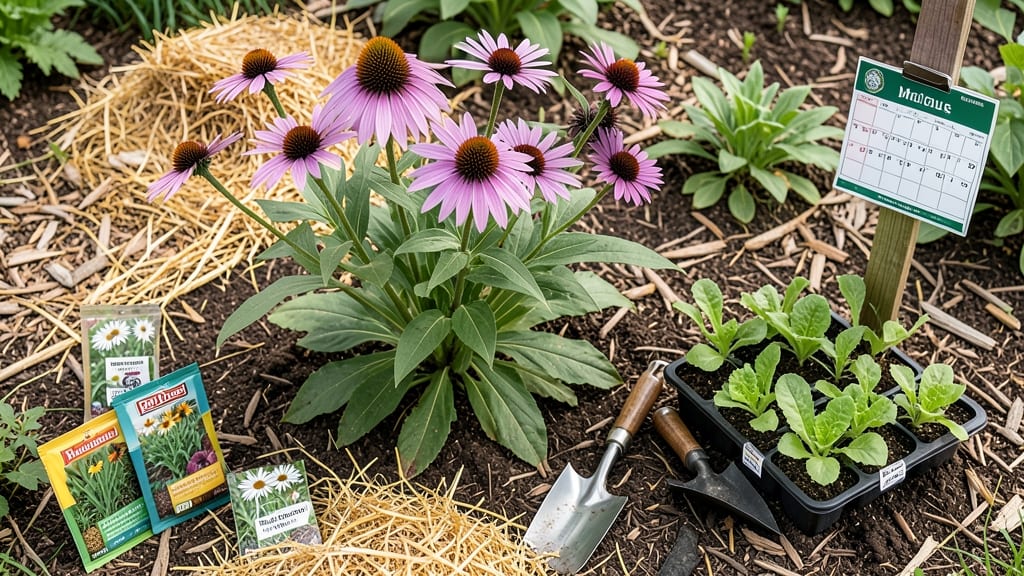
Knowing when to plant a garden in Minnesota could mean the difference between a thriving harvest and a disappointing pile of frost-bitten seedlings.
With short growing seasons and unpredictable frost dates, knowing exactly when to plant each crop in your specific zone is the key to success. Whether you're a first-time gardener or a seasoned pro, getting these details right makes all the difference in what you can grow—and when.
I'll walk you through the optimal planting windows for everything from cool-season greens to warm-season tomatoes, plus how to adjust for Minnesota's microclimates. No more guessing—just a clear, zone-specific roadmap to a thriving garden.
Ready to turn your Minnesota yard into a productive garden? Let's dive into the frost-free timeline that works for your zone.
Minnesota planting zones: frost dates by region and last average frost timeline
Minnesota’s short growing season and variable frost dates make timing everything for a successful garden. The state spans USDA Zones 3-5, with northern regions facing earlier frosts than southern areas.
Understanding your specific frost timeline ensures you plant at the right moment—whether that’s cool-season crops in early spring or warm-season favorites after the last frost.
For example, Zone 3 (northern MN) typically sees its last average frost between May 15–June 1, while Zone 5 (southern MN) warms up by April 20–May 5.
First frosts in fall can arrive as early as September 15 in the north or hold off until October 15 in the south. These differences mean planting windows shift dramatically across the state.
Pro Tip: Use the National Weather Service’s frost prediction tools or local University of Minnesota Extension resources to refine your timeline. Even a 10-day difference can mean the difference between thriving plants and frost-killed seedlings.
| USDA Zone | Last Average Frost | First Average Frost | Frost-Free Days | Planting Window |
|---|---|---|---|---|
| Zone 3 (North) | May 15–June 1 | September 15–October 1 | 100–120 days | Late May–Early July |
| Zone 4 (Central) | May 1–May 15 | September 20–October 5 | 120–140 days | Mid-April–Mid-July |
| Zone 5 (South) | April 20–May 5 | October 1–October 15 | 140–160 days | Early April–Late July |
🌱 Note: Microclimates (e.g., near lakes, urban areas) can shift frost dates by 1–2 weeks.
If you’re in Zone 3 or 4, focus on early-maturing varieties of vegetables like bush beans or radishes, which can go from seed to harvest in 45–60 days.
Meanwhile, Zone 5 gardeners enjoy a longer window for tomatoes and peppers, provided they’re planted after the last frost and given time to ripen before fall.
For perennials like asparagus or rhubarb, plant crowns in early spring (March–April) so roots establish before summer heat. These hardy plants tolerate light frosts once established, making them ideal for Minnesota’s climate.
Always monitor soil temperatures—most cool-season crops thrive when soil reaches 40–50°F, while warm-season crops need 60–70°F. A simple soil thermometer ($10–$15) is a game-changer for precision planting.
Remember: Frost dates are averages, not guarantees. Keep row covers or frost cloth handy to protect tender seedlings if late frosts strike. Even in Zone 5, a May frost can still occur—especially in higher elevations or northern exposures.
To stay ahead, bookmark the MN State Climatology Office’s frost maps or use apps like Old Farmer’s Almanac for real-time updates. With the right timing, you can extend your harvests well into October—even in Minnesota’s chillier zones!
Best planting schedule by crop type: cool-season vs. warm-season vegetables
Minnesota’s short growing season demands precision when planting vegetables. Cool-season crops like lettuce and peas thrive in early spring, while warm-season favorites like tomatoes and peppers need to wait until after the last frost. Timing isn’t just about the calendar—it’s about soil temperature and frost risk.
For cool-season vegetables, start planting as soon as the soil is workable, usually in late April to early May in northern Minnesota.
These hardy plants can even handle a light frost. Warm-season crops, however, need to wait until the soil reaches 60°F (15°C), typically mid-May to early June, depending on your zone.
Here’s a breakdown of when to plant the most popular vegetables in Minnesota, along with succession planting tips to keep your harvest going all season.
| Crop Type | Planting Window | Soil Temp Requirement | Succession Planting Tip |
|---|---|---|---|
| Cool-Season | Late April–Early May | 40–50°F (4–10°C) | Sow every 2–3 weeks for continuous harvest |
| Lettuce | Late April–June, Sept–Oct | 45–55°F (7–13°C) | Plant bolt-resistant varieties for fall |
| Peas | Early May–June | 40–50°F (4–10°C) | Sow every 2 weeks for steady supply |
| Warm-Season | Mid-May–Early June | 60°F+ (15°C+) | Use row covers to extend season |
| Tomatoes | Mid-May–June | 60–70°F (15–21°C) | Start indoors 6–8 weeks before last frost |
| Peppers | Late May–June | 70°F+ (21°C+) | Use black plastic mulch to warm soil faster |
Don’t overlook succession planting—it’s the secret to a continuous harvest. For example, sow lettuce every 2 weeks from late April through June to avoid bolting. Similarly, radishes mature in just 30 days, making them perfect for quick replants.
If you’re growing warm-season crops like tomatoes or peppers, consider starting them indoors 6–8 weeks before the last frost.
This gives them a head start and ensures they’re ready to transplant once the soil warms up. Hardening off seedlings for 7–10 days before planting is crucial to prevent transplant shock.
For fall harvests, plant cool-season crops like kale and spinach in early August. These can often survive light frosts and may even taste sweeter after a frost. Just be sure to harvest before the ground freezes, usually by late October.
Pro tip: Keep a gardening journal to track your planting dates and success rates. This helps you fine-tune your schedule year after year—because Minnesota’s weather can vary wildly from one spring to the next! 🌱