
Plants
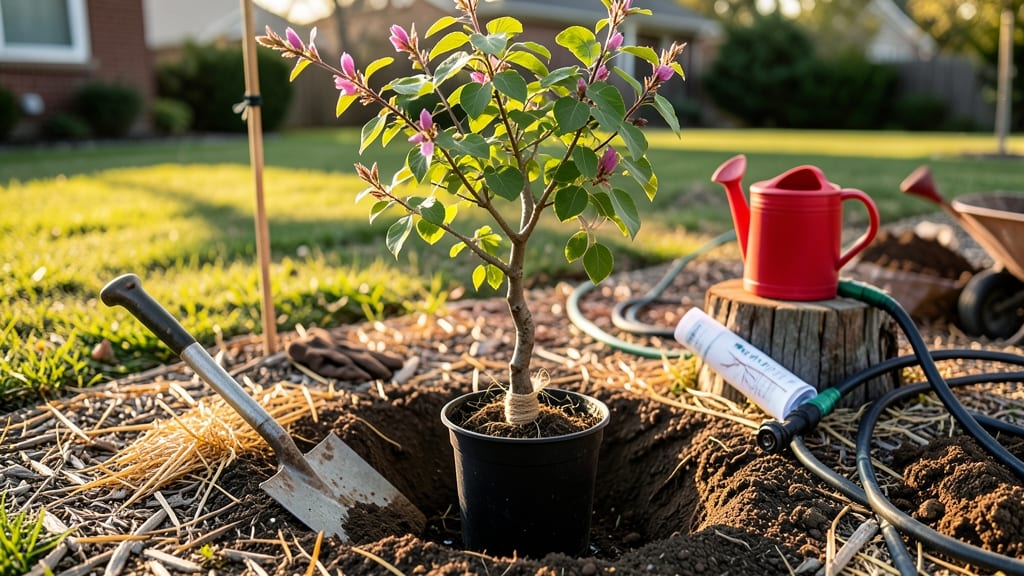
Timing is everything when it comes to planting a tree in Texas—get it wrong, and even the hardiest 🌳 species like live oaks or pecans can struggle to take root.
The key isn’t just picking a season; it’s aligning your planting with your local microclimate to give young roots the best chance to establish before Texas’ brutal summers or unexpected freezes.
If you’ve ever wondered why some trees thrive while others wither, the answer often lies in when—not where—you plant them. Texas’ diverse regions (from North to South) have wildly different frost dates and soil conditions, meaning what works in 6b-10a Central Texas might fail in North Texas’ colder pockets.
Let’s break down the ideal months for each zone so you can plant with confidence.
Fall and early spring are the golden windows for most trees, but the exact timing varies. Plant too early, and your tree might face winter stress; too late, and summer’s heat can dry out delicate roots before they’ve had a chance to spread.
I’ll show you how to read your local climate cues—like soil temperature and rainfall patterns—to pick the perfect moment for your new 🌳.
Ready to avoid common mistakes and set your tree up for decades of growth? We’ll cover species-specific tips, soil prep, and even how urban planting restrictions might tweak your timeline. Let’s get started.
Best planting months in Texas by region: North vs. Central vs. South
Texas’ three distinct climate zones—North, Central, and South—each demand different planting strategies. The last frost dates and soil temperatures shift dramatically, meaning a tree planted in October in South Texas might face winter stress in North Texas.
Let’s break down the ideal windows for each region to maximize root establishment before summer’s heat or winter’s chill.
In North Texas (USDA Zones 7b-8a), where frost can linger until mid-March, your best bet is to plant in late fall (November) or early spring (February-March). This gives young roots time to spread before summer’s 100°F+ temperatures arrive.
Central Texas (Zones 8a-9a) enjoys a longer growing season, so October-November or February works best, while South Texas (Zones 9a-10a) can even plant into December or as early as January.
Why does this matter? Trees planted in extreme heat or cold struggle to establish roots. For example, a live oak planted in June in North Texas may wilt before roots spread, while the same tree planted in November thrives.
The key is aligning planting with soil temperatures above 60°F and avoiding peak drought months (July-August).
Here’s how each region’s unique climate affects your timeline:
For North Texas gardeners, focus on bare-root trees in November, as cooler temps reduce transplant shock. In Central Texas, container-grown trees planted in February benefit from the region’s mild winters.
Meanwhile, South Texas’ longer frost-free season lets you plant citrus or palms as late as January, but avoid summer planting—even drought-tolerant species like mesquite need time to acclimate.
Pro tip: Check your local AgriLife Extension office for hyper-local frost data. For example, Dallas (North Texas) might see frost in late November, while Amarillo could freeze by early November. Adjust your timeline accordingly—even a 2-week difference can mean the difference between a thriving tree and a struggling one.
Urban areas like Houston or Austin also face unique challenges, such as compacted soil or limited root space. In these cases, prioritize smaller, fast-growing species like cedar elm or Chinese pistache, and plant in fall to give roots room to spread before summer heat stress sets in.
Remember, watering schedules change post-planting. In North Texas, deep watering every 7-10 days is critical in spring, while South Texas may need bi-weekly watering even in cooler months due to lower humidity. Always mulch 3-4 inches deep to retain moisture and regulate soil temperature.
Timing your tree planting right isn’t just about the calendar—it’s about reading your local microclimate. Whether you’re in Panhandle plains or Rio Grande Valley, aligning your planting with soil temps, frost risks, and seasonal rainfall will set your tree up for decades of growth.
Next, we’ll dive into species-specific tips to match your tree to your Texas region.
Best planting months in Texas by region: North vs. Central vs. South
Texas isn’t one-size-fits-all when it comes to planting trees. The North Texas region (think Dallas-Fort Worth) has earlier freezes and colder winters, while South Texas (Houston to the Rio Grande Valley) enjoys milder winters and longer growing seasons.
Central Texas (Austin-San Antonio) falls somewhere in between, with hotter summers and milder winters that extend the planting window. Understanding these differences is key to avoiding common mistakes like planting too late in spring or too early in fall.
For North Texas (USDA zones 7b-8a), the ideal planting window is late fall (October-November) or early spring (February-March). This gives young roots time to establish before the first frost (November 15) or the brutal summer heat.
In Central Texas (8a-9a), you’ve got a slightly longer window—plant in October-December or February-April—but avoid late spring (April-May) when drought and heat stress can set in quickly. South Texas (9a-10a) is the most forgiving, with October-January and February-March as prime times.
Soil temperature is your best friend when deciding the exact timing. Aim for soil temps between 60°F and 80°F—this is when roots grow fastest without stress. In North Texas, soil temps drop below 60°F by late November, while South Texas stays warm longer, letting you plant well into December.
Use a soil thermometer or check local weather forecasts for 5-day average temps to time your planting perfectly.
| Region | Ideal Planting Months | Soil Temp Threshold | Key Risks to Avoid |
|---|---|---|---|
| North Texas (Dallas-Fort Worth) | October-November, February-March | 60°F-75°F | Early freezes (Nov 15), summer drought |
| Central Texas (Austin-San Antonio) | October-December, February-April | 65°F-80°F | April drought, late spring heatwaves |
| South Texas (Houston-RGV) | October-January, February-March | 70°F-85°F | Hurricane season (June-Nov), late winter freezes |
If you’re planting in urban areas, like Dallas or Houston, check local ordinances—some cities require permits for trees over 6 inches in diameter or mandate specific species to avoid invasive roots damaging sidewalks.
In rural areas, you’ve got more flexibility, but watch for wind exposure (common in West Texas) or poor drainage (low-lying areas in East Texas). Adjust your timing if your site has these challenges—plant slightly later in spring or earlier in fall to give roots extra time to anchor.
Pro tip: Container-grown trees (like those at nurseries) can be planted year-round in South Texas, but they still thrive best in fall or early spring. Bare-root trees, however, must be planted during their dormant season—so stick to the regional windows above.
Water deeply after planting, and apply 2-3 inches of mulch to retain moisture, especially in Texas’ dry spells.
Remember, the goal is to give your tree’s roots 6-8 weeks of stress-free growth before extreme heat or cold hits. Whether you’re in freeze-prone North Texas or mild South Texas, timing your planting right is the secret to a tree that grows strong for decades. 🌳