
Trees
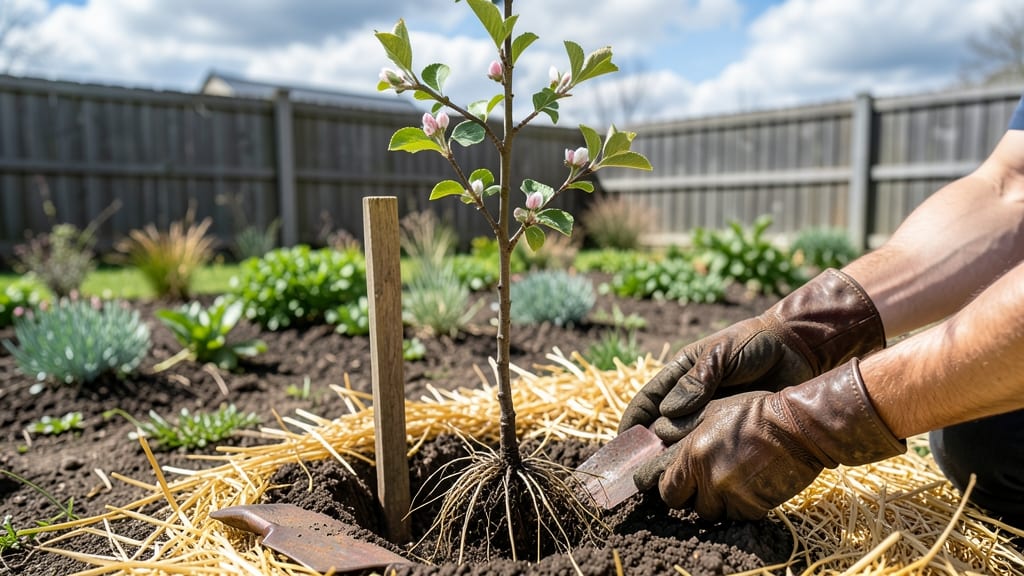
Planting your 🍎 Apple Tree at the wrong time in Illinois could mean the difference between a thriving orchard and a sad, struggling sapling. The key isn't just picking a season—it's choosing the precise window when soil temperatures and frost risks align perfectly for root growth.
For Illinois gardeners in zones 5-6, early spring (March-April) remains the gold standard, but fall planting (October) offers surprising advantages if done right.
I'll break down exactly when to plant based on your local climate, whether you're working with bare-root or container-grown trees, and how to prepare your soil for maximum success.
You'll discover why most Illinois growers swear by spring planting—and when fall might actually work better for your specific variety. Plus, I'll share pro tips to avoid common mistakes that derail even well-intentioned gardeners every year.
Let's get your 🍎 Apple Tree off to the strongest possible start with timing that matches Illinois' unpredictable weather patterns. Your future harvest depends on getting this right from day one.
Best planting months in Illinois by hardiness zone (5-7)
Illinois spans USDA hardiness zones 5a through 7b, where timing matters most for apple tree success. The ideal planting window aligns with soil thaw and dormancy periods—typically early spring (March-April) or fall (October).
However, your exact zone dictates the best approach to avoid frost damage or missed root growth.
Spring planting (after last frost) gives trees 6-8 weeks to establish roots before summer heat. Fall planting (6-8 weeks before first frost) allows roots to grow before dormancy. Zone 5a gardeners face higher frost risks, while zone 7b can extend windows slightly later.
Here’s how to match your zone to the perfect planting window:
| Zone | Best Planting Window | Soil Temp Threshold | Key Risk |
|---|---|---|---|
| 5a | Late April–May (spring) or early October (fall) | 45°F+ (7°C+) | Late frosts (May) or early snow (Nov) |
| 5b | Early April–May or mid-October | 40°F+ (4°C+) | Spring drought or early winter heaving |
| 6a | March–April or October | 45°F+ (7°C+) | Late spring frosts (April) |
| 6b | March–May or late September | 50°F+ (10°C+) | Summer drought stress |
| 7a | February–April or October | 50°F+ (10°C+) | Humidity/fungal risks |
| 7b | January–May or November | 55°F+ (13°C+) | Extreme heat waves |
🌱 Pro Tip: Use a soil thermometer to confirm readiness!
For bare-root trees, plant as soon as soil is workable—typically 2-4 weeks before your zone’s ideal window. Container-grown trees offer more flexibility but still need 6+ weeks of growing season left after planting.
In northern Illinois (zones 5a-5b), prioritize early spring planting to avoid winter heaving. Southern Illinois (zones 6b-7b) can extend fall planting into late October, but avoid planting after mid-November—roots won’t harden before frost.
Watch for local frost dates—Illinois’ average last frost ranges from April 15 (north) to April 5 (south). Use the National Weather Service or Old Farmer’s Almanac for your county’s specifics.
Container-grown trees adapt better to late planting (up to June), but expect smaller first-year growth and delayed fruiting. Bare-root trees planted after June 1 risk poor establishment.
If you miss the prime window, consider dwarf varieties like ‘Honeycrisp’ or ‘Gala’, which establish faster. Always mulch heavily (4-6 inches) to insulate roots in fall/winter plantings.
🌳 Key Takeaway: Zone 5a? Plant in late April–May. Zone 7b? March or October works best. Always check soil temperature—45°F+ (7°C+) is non-negotiable!
Best planting months in Illinois by hardiness zone (5-7)
Illinois spans USDA zones 5a-7b, and your planting window depends heavily on where you live. In northern Illinois (zones 5a-5b), aim for early April to mid-May when soil temperatures hit 45°F (7°C)—this gives roots time to establish before summer heat.
Southern Illinois (zones 6a-7b) can plant as early as late March, but avoid planting before last frost dates (typically mid-April).
Most Illinois gardeners prefer early spring planting (March-April) because it aligns with natural dormancy breaking. However, fall planting (October) works too if you choose cold-hardy varieties like 'Honeycrisp' or 'Liberty'. The key is ensuring 6-8 weeks of root growth before winter dormancy sets in.
Here’s how to match your zone to the perfect planting window:
| Zone | Ideal Planting Window | Soil Temp Threshold | Key Risk |
|---|---|---|---|
| 5a-5b (North) | Early April–Mid-May | 45°F (7°C) | Late frosts |
| 6a-6b (Central) | Late March–Early May | 40°F (4°C) | Drought stress |
| 7a-7b (South) | Late February–April | 35°F (2°C) | Heatwave shock |
For bare-root trees, plant as soon as soil is workable—never let roots dry out. Container-grown trees offer more flexibility but still need 6+ hours of sunlight daily. In zone 6b-7b, you can even plant in early November if soil temps stay above 40°F (4°C).
Pro tip: Check your local frost dates (Illinois averages mid-April last frost) and plant 2-3 weeks before to give roots time to anchor. Use a soil thermometer to confirm readiness—45°F (7°C) is the magic number for most apple varieties.
If you miss the spring window, don’t panic—fall planting (October) is your next best option, provided you mulch heavily to insulate roots. Just avoid planting when soil temps drop below 40°F (4°C), as roots won’t establish properly.
🌱