
Plants
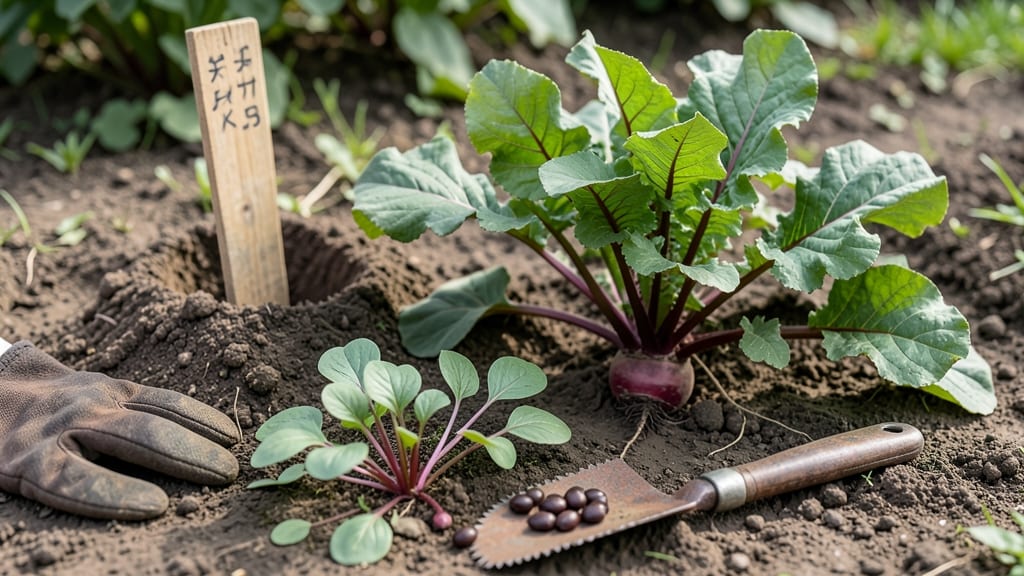
Timing your beet planting in Maryland makes all the difference between a sweet, abundant harvest and a bitter disappointment.
Maryland’s 7a-7b climate means you’ve got two prime windows to grow these earthy 🍠 roots—early spring and late summer—but getting the timing wrong can leave you with tough, woody beets or seedlings that never take off.
I’ll break down the exact months to plant for spring and fall success, plus how to adjust for your specific corner of Maryland.
Whether you’re a first-time gardener or a seasoned pro, these tricks will help you grow beets that are tender, flavorful, and ready to harvest just when you need them.
Let’s get your beet patch off to the right start—no more guessing, just proven results for Maryland gardens.
Maryland beet planting calendar: exact dates for spring and fall success
Maryland’s USDA Zones 7a-7b create a 180-day frost-free window, giving you two prime chances to grow sweet, tender beets. Timing matters because beets hate extreme heat—temperatures above 80°F turn roots woody, while frost-sensitive seedlings need soil temps above 40°F to germinate.
For spring beets, aim to plant 4-6 weeks before last frost (typically mid-March to early April in most of Maryland).
This ensures harvests by late June before summer’s heat sets in. Fall plantings, however, must happen 90-100 days before first frost (usually late July to early August), so you can harvest September through October.
Here’s the breakdown by Maryland region—your last frost dates vary slightly:
| Region | Spring Planting Window | Fall Planting Window | Soil Temp Threshold |
|---|---|---|---|
| Baltimore/Washington | March 15–April 15 | July 20–August 10 | 40°F+ |
| Eastern Shore | March 20–April 10 | July 25–August 5 | 40°F+ |
| Western MD (Frederick, Hagerstown) | March 10–April 5 | July 15–July 30 | 40°F+ |
🌱 Pro Tip: Use a soil thermometer to confirm temps—beets won’t germinate below 40°F.
For spring plantings, start seeds indoors 4-6 weeks before last frost (by mid-February) if you’re eager. Transplant seedlings outdoors after soil warms and nights stay above 45°F.
For fall beets, direct-sow seeds outdoors in July—they’ll mature before frost, and cool fall temps actually sweeten the roots.
If you miss these windows, don’t despair! Succession planting every 2 weeks in spring or late July-August extends your harvest.
Just ensure 60-75 days remain until frost for fall crops. Chioggia beets, for example, tolerate cooler temps better than Detroit Dark Red, making them ideal for late-season plantings.
One critical mistake Maryland gardeners make? Planting too close to summer’s peak (June-July). Beets bolting risk increases when days lengthen past 14 hours of light, causing bitter, tough roots. Shade cloth (30-50%) can help if you’re desperate for a mid-summer harvest, but fall plantings are safer.
For container growing, stick to spring plantings—containers heat up faster in summer. Use 5-gallon pots with well-draining mix and water daily in summer to prevent bolting. Water deeply in the morning to avoid fungal issues like leaf spot, which thrives in Maryland’s humid summers.
Finally, amend your soil 2-3 weeks before planting with compost or aged manure—beets are heavy feeders and need fertile, loose soil. A pH of 6.0-7.0 is ideal. If your soil is clay-heavy (common in Western MD), mix in sand or peat moss to improve drainage.
With these Maryland-specific dates and tips, you’ll avoid the woody, bitter beets that plague off-season plantings. Mark your calendar and enjoy harvests from May through October—no more store-bought bland roots! 🌿
Spring vs fall beets in Maryland: which gives sweeter roots?
Maryland gardeners often debate whether spring or fall beets taste better—and the answer depends on your soil conditions and pest pressures. Spring-planted beets (early May) mature in cooler weather, while fall-planted (late August) beets develop sweeter flavors as temperatures drop.
Let’s compare the two to help you decide which window works best for your garden.
Spring beets benefit from warmer soil and longer daylight, but they face higher leaf miner risks. Fall beets avoid summer pests but require careful succession planting to finish before frost. Both strategies have trade-offs, so let’s break down the pros and cons to guide your planting schedule.
🌱 Which season suits your Maryland garden? Here’s how they stack up:
Spring Beets
- ✅ Faster growth (60 days to harvest)
- ✅ Larger roots (ideal for storage)
- ✅ Lower pest pressure early season
Fall Beets
- ✅ Sweeter flavor (cooler temps)
- ✅ Longer harvest window (Sept-Oct)
- ✅ Fewer leaf miners late season
Spring Challenges
- ❌ Leaf miner risk (May-June)
- ❌ Woody roots if planted late
- ❌ Soil compaction from spring rains
Fall Challenges
- ❌ Short growing season (must plant early)
- ❌ Frost risk if late harvest
- ❌ Succession needed for continuous yield
For sweetest roots, fall-planted beets win—but they require precise timing. Aim to sow seeds by late August in Maryland’s 7a-7b zones to ensure harvest before the first frost (mid-October). Spring beets, however, offer larger yields with less pest pressure if planted by early May.
Pro tip: Try both seasons! Plant a test row of each variety to compare flavors and yields. My Detroit Dark Red beets always taste richer in fall, while spring-planted Golden varieties stay tender longer. Experiment to find your perfect balance.
Regardless of season, soil prep is key. Amend your beds with compost and aged manure to prevent woody roots—a common issue in Maryland’s heavy clay soils. A little extra effort now means sweeter, more tender beets later.