
Plants
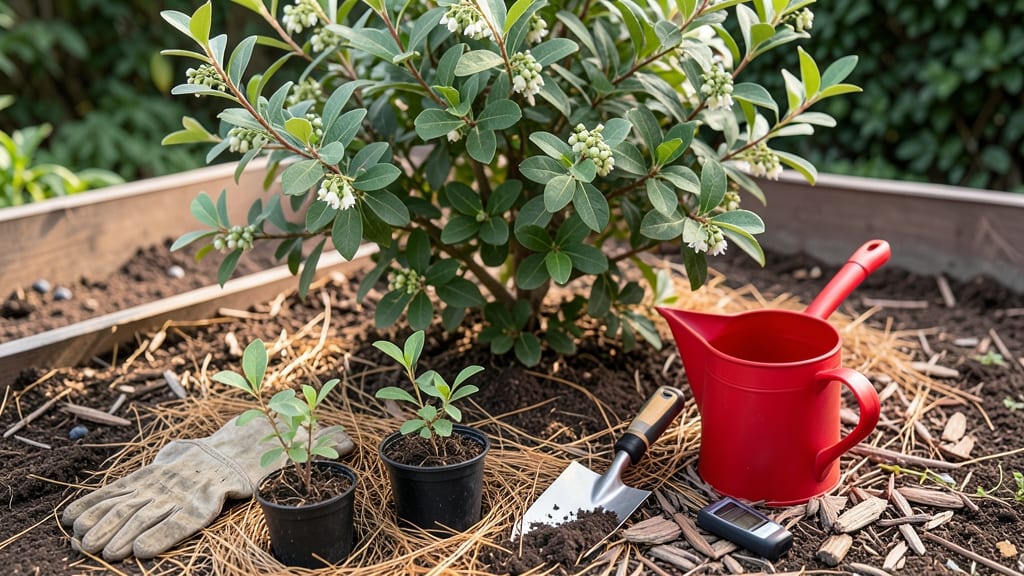
Knowing when to plant blueberries in Zone 6 can mean the difference between a thriving bush loaded with juicy 🫐 and a sad, struggling plant that barely survives.
The timing isn't just about avoiding frost—it's about giving your blueberries the perfect start in soil that's warm enough to root but cool enough to prevent stress.
In Zone 6, the ideal window stretches from late April through early May, right after the last frost has passed and the ground has warmed to at least 50°F. Planting too early risks cold damage, while waiting too long can leave your bushes struggling in summer heat.
This is your chance to set them up for years of sweet harvests.
I'll walk you through exactly what to watch for—soil temperature cues, frost-free signs, and how to prepare your site—so you can plant with confidence. Whether you're working with bare-root starters or potted plants, these steps will help you avoid common mistakes that derail even the most eager gardeners.
Let's get your blueberries off to the best possible start, because the right timing today means plump, ripe berries by July—and that's a reward worth planting for.
Best planting window for blueberries in Zone 6: month-by-month breakdown
Zone 6’s cool climate demands precision when planting blueberries. The ideal window spans from late April to early May, after the last frost date (typically mid-April). This timing ensures roots establish before summer heat arrives, while avoiding the spring frost risks that can kill tender new growth.
Blueberries are frost-sensitive once active growth begins, so planting too early (March) risks root damage from late frosts. Conversely, delaying past mid-June gives young plants insufficient time to acclimate before winter.
For bare-root plants, aim for 4-6 weeks before last frost—this gives roots 6-8 weeks to settle before dormancy.
Soil temperature is critical: roots need 45°F+ (7°C+) to thrive. Use a soil thermometer to confirm—planting in cold, wet soil causes root rot. In Zone 6a (colder microclimates), push planting to late April; in Zone 6b (warmer), early May is safer.
🌱
📅 Zone 6 Blueberry Planting Timeline
| Month | Soil Temp | Action | Notes |
|---|---|---|---|
| March | 35–45°F (2–7°C) | Soil prep only | Avoid planting; frost risk high |
| April | 45–55°F (7–13°C) | Plant bare-root | After last frost (Zone 6a: late April) |
| May | 55–65°F (13–18°C) | Plant potted bushes | Best for container-grown plants |
| June | 65–75°F (18–24°C) | Transplant if needed | Risky; prioritize established roots |
Pro Tip: Use mulch immediately after planting to retain moisture and insulate roots during temperature swings.
For container-grown blueberries, extend your window to early June—they adapt better to heat. However, in-ground plants struggle with heat stress if planted after mid-May. Monitor your local microclimate: sheltered spots (e.g., south-facing slopes) warm faster and are safer for earlier planting.
If you miss the spring window, fall planting is possible in Zone 6—aim for late August to early September, giving roots 6 weeks to establish before first frost.
Use straw mulch (6 inches deep) to protect roots during winter. Just avoid planting in October, as roots won’t harden off in time.
🌡️
Always check your specific last frost date using the USDA Plant Hardiness Zone Map or local cooperative extension service. A 5-day frost-free streak is non-negotiable—blueberries cannot tolerate frost once buds swell. For urban gardeners, city heat islands may shift your window 1-2 weeks earlier than rural areas.
Finally, plant depth matters: set the root crown (where stems meet roots) 1 inch above soil level. This prevents rot from waterlogging while allowing flexibility for soil settlement. After planting, water deeply (1-2 gallons) to eliminate air pockets in the root zone.
✂️
Best planting window for blueberries in Zone 6: month-by-month breakdown
In Zone 6, the perfect window to plant blueberries is between late April and early May, once the soil temperature consistently stays above 50°F. This timing aligns with the last frost date (typically mid-April) and gives young roots time to establish before summer heat arrives.
Planting too early risks frost damage, while waiting too long can stress your bushes during transplant.
For Zone 6a (colder microclimates), aim for early May to avoid late frosts. In Zone 6b, late April works well, as the ground warms faster. Always check your local frost-free date—a simple online search or your local cooperative extension service can provide precise timing for your exact location.
Here’s what to watch for in each month to ensure you plant at the ideal time:
| Month | Soil Temp | Frost Risk | Planting Readiness |
|---|---|---|---|
| March | 40-45°F | High (avoid planting) | Prepare soil; order plants |
| April | 50-55°F | Moderate (wait for last frost) | Plant after frost-free date |
| May | 55-65°F | Low | Ideal planting window |
| June | 65-75°F | None | Too late; stress risk |
If you’re planting bare-root blueberries, soak the roots for 2-4 hours before transplanting to rehydrate them. For potted plants, water thoroughly the day before planting to reduce transplant shock.
Both methods benefit from a mulch layer (2-3 inches of pine needles or wood chips) to retain moisture and regulate soil temperature.
Pro tip: Plant on a cloudy day to reduce stress on your blueberries. The cooler temperatures and diffused light help them adjust to their new home without wilting. Avoid planting during heatwaves or extreme weather, as this can shock the roots and stunt early growth.
Once planted, your blueberries will need consistent moisture for the first 4-6 weeks to establish a strong root system. Water deeply 2-3 times per week, aiming for 1-2 gallons per plant each time.
This sets the stage for a productive bush that will reward you with harvests by next summer.