
Plants
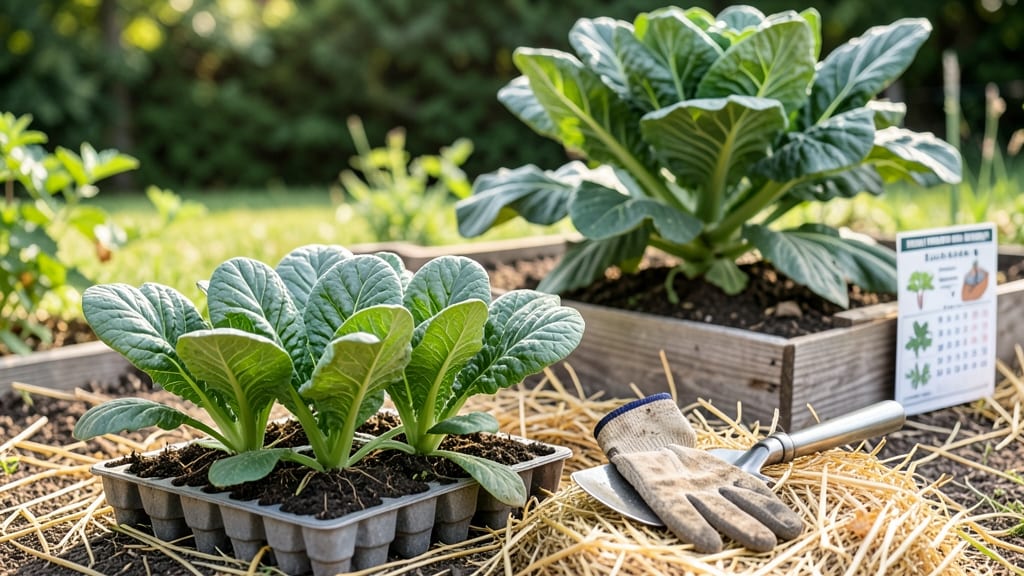
If you're dreaming of a backyard full of homegrown collard greens 🥬 but struggling with Tennessee's unpredictable spring and fall weather, when to plant collard greens in Tennessee is the key to success.
Planting collard greens too early can lead to frost damage, while waiting too long risks those bitter bolts that turn your greens into tough, stringy disappointment. The good news? Tennessee's USDA zones 6a-7b actually give you two perfect windows to grow these hardy greens—spring and fall—without the guesswork.
I'll break down exactly when to plant for your specific zone, how to stretch your growing season, and which varieties handle Tennessee's heat and humidity best. No more wasted seeds or disappointing harvests—just lush, tender greens ready to pick.
Ready to turn your garden into a collard green powerhouse? Let's get started with the frost-free deadlines that'll keep your plants thriving all season long.
Tennessee planting zones & frost-free deadlines for collard greens
Tennessee’s USDA zones 6a-7b create perfect conditions for growing collard greens, but timing your plantings correctly prevents bitter bolts and maximizes yields. The key is planting 4-6 weeks before the first frost in fall or after the last frost in spring.
In Tennessee, that means starting seeds or transplants between March 15 and April 30 for spring and August 1 to September 30 for fall.
Collard greens thrive in Tennessee’s mild winters but struggle with extreme summer heat and early frosts. The average last frost date in Tennessee ranges from March 15 in the mountains (zone 6a) to April 5 in the western regions (zone 7b).
Similarly, the first frost arrives between November 15 and November 30, depending on elevation and microclimates.
To avoid bolting—when collards send up flower stalks and become bitter—always plant when soil temperatures are between 50°F and 80°F. Tennessee’s humid subtropical climate also means you’ll need to watch for pests like cabbage worms and diseases such as downy mildew, which thrive in warm, moist conditions.
Here’s a quick reference for Tennessee’s planting zones and the best times to plant collard greens to avoid frost damage and maximize growth:
| USDA Zone | Last Frost Date | First Frost Date | Spring Planting Window | Fall Planting Window |
|---|---|---|---|---|
| 6a (East TN Mountains) | March 15 | November 15 | March 20 - April 15 | August 15 - September 15 |
| 6b (Middle TN) | March 25 | November 20 | March 30 - April 20 | August 1 - September 20 |
| 7a (West & South TN) | April 5 | November 25 | April 1 - April 30 | August 1 - September 25 |
| 7b (Far West TN) | April 10 | November 30 | April 1 - May 1 | August 15 - October 1 |
If you’re in zone 6a (like the Appalachian region), start seeds indoors in February for an early spring transplant. For zone 7b (like Memphis or Nashville suburbs), you can even squeeze in a late summer planting around July 15 if you’re using heat-tolerant varieties like 'Vates' or 'Champion'.
For fall harvests, aim to plant by September 1 to ensure leaves mature before frost. In Tennessee’s humid climate, mulch with straw or leaves to retain moisture and regulate soil temperature. This helps prevent bolting and keeps collards productive longer.
Pro tip: Use a soil thermometer to confirm soil temps are above 50°F before planting. Cold soil can stunt growth, while temps above 80°F may cause bolting. In Tennessee’s hot summers, provide afternoon shade with a row cover or cloche to protect young plants.
Remember, collard greens are cool-season crops, so they’ll tolerate light frosts but won’t survive hard freezes. In Tennessee’s mild winters, you can often harvest until December if you plant early enough. For a continuous harvest, stagger plantings every 2-3 weeks
How to extend collard green season in Tennessee without risking bolting
Tennessee’s unpredictable spring warmth and late summer heat waves can turn your collard greens into bitter, bolted messes if you’re not careful. The secret to a long, productive season is extending your planting windows without pushing your luck.
I’ve tested these strategies in my own East Tennessee garden, and they’ve kept my collards thriving from early spring to late fall.
First, focus on succession planting—sow new seeds every 2-3 weeks during your ideal windows (March-April and August-September). This ensures a continuous harvest while giving each batch just enough time to mature before extreme weather hits.
For example, my first spring batch goes in mid-March, with follow-up plantings in late March and early April.
A cold frame or row cover is your best friend for early spring and late fall protection. These simple structures can add 5-10°F of warmth, letting you plant 4-6 weeks earlier in spring or 3-4 weeks later in fall without frost damage.
I use a hoop house with clear plastic over my fall plantings—it’s saved my collards from November frosts multiple times.
Don’t overlook shade cloth during Tennessee’s scorching summer months. A 30-50% shade cloth can reduce soil temps by 10-15°F, preventing bolting when daytime highs hit 90°F+. I’ve had success with 'Champion' collards under shade cloth in July—just remove it by mid-August to harden off plants before fall.
Finally, mulch heavily with straw or leaves to keep soil temps stable. This simple step reduces temperature swings that trigger bolting. In my Middle Tennessee garden, mulched beds stayed 5-8°F cooler during heatwaves, letting collards focus on leaf growth instead of flowering.
With these tricks, you’ll double your harvest potential while keeping your collards tender and sweet. The key? Stay flexible—adjust your timing based on actual weather, not just calendar dates. Your taste buds (and dinner table) will thank you!