
Flowers
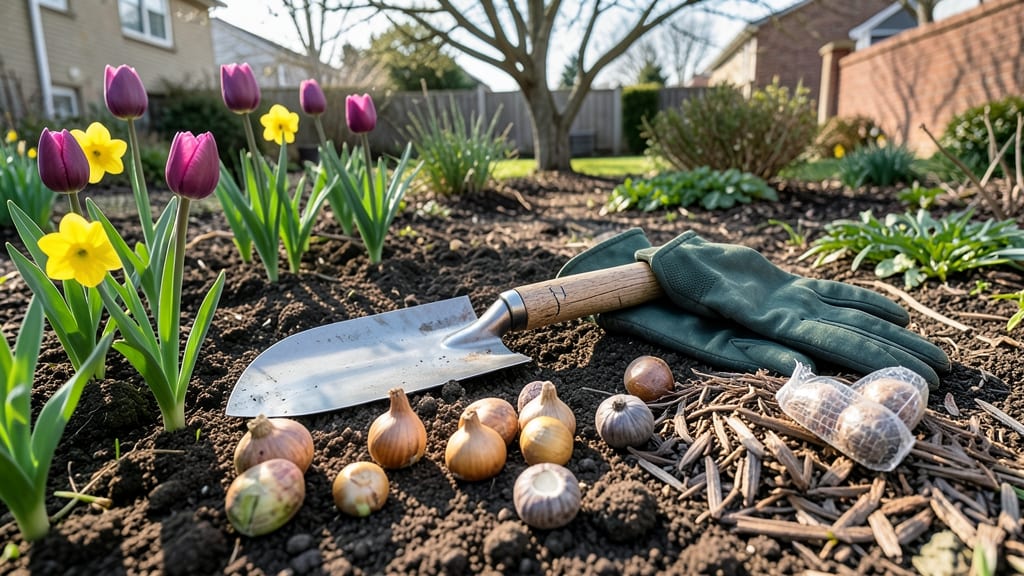
Timing your spring flower bulb planting wrong could mean waiting months for those vibrant blooms—or worse, no blooms at all. The key isn’t just waiting for warmer weather; it’s understanding when the ground is ready and which varieties need that extra chill to thrive.
Most gardeners assume spring planting means rushing as soon as the snow melts, but soil temperature is the real game-changer. Planting too early can leave bulbs vulnerable to frost, while waiting too long might miss the ideal window for root establishment.
I’ll break down the exact conditions—like 40-50°F soil temps—and which chill-ready varieties (think tulips and daffodils) are ready to go.
Whether you’re in Zone 6a or another region, knowing your last frost date is just the start. Microclimates, container gardening, and even mulch choices can shift your planting timeline by weeks. Let’s dive into the checklist that’ll have your garden bursting with 🌷 color come spring.
Ready to avoid common mistakes like planting too shallow or skipping soil prep? I’ll cover everything—from regional calendars to post-planting care—so you can confidently transform your garden into a springtime masterpiece.
Spring planting timeline: soil temperature & chill-ready flower bulbs
Timing your spring flower bulb planting is all about soil temperatures and chill-ready varieties. Most bulbs—like tulips, daffodils, and hyacinths—need 6-12 weeks of cold dormancy before they’ll bloom reliably. Planting too early risks frost damage, while waiting too long may delay or reduce flowering.
Ideal soil temperatures for spring planting range between 40-50°F. Use a soil thermometer to check—this is your green light to plant. In most regions, this window falls 4-6 weeks before your last expected frost date.
For example, in USDA Zone 5, that’s typically late March to early April.
Microclimates matter! A south-facing slope warms faster than a north-facing shade garden. If your yard has uneven heating, plant bulbs in the cooler areas first to avoid premature sprouting. Mulch with 2-3 inches of straw after planting to insulate bulbs and regulate soil temps.
🌱 Spring Planting Comparison
| Bulb Type | Soil Temp Range | Planting Window | Chill Requirement |
|---|---|---|---|
| Tulips | 40-50°F | 4-6 weeks before frost | 6-12 weeks |
| Daffodils | 45-55°F | Late March-April | 4-8 weeks |
| Hyacinths | 40-50°F | Early April-May | 8-12 weeks |
| Crocus | 35-45°F | Late February-March | 4-6 weeks |
For early bloomers like crocus and snowdrops, you can plant as early as late February in warmer zones (Zones 7-10). These hardy bulbs tolerate cooler soils and often push through snow for early spring color.
In contrast, late spring bloomers like allium and fritillaria can wait until April or even May in cooler climates.
If you’re unsure about your last frost date, check the USDA Plant Hardiness Zone Map and local weather forecasts. Many garden centers also provide frost-free date calendars for your region. Pro tip: Plant a few test bulbs 2 weeks early to gauge your microclimate’s readiness.
Container gardeners have more flexibility! Pots warm up faster than in-ground soil, so adjust your timing 1-2 weeks earlier for container-planted bulbs. Just ensure your containers have drainage holes to prevent rot—soggy soil is a bulb’s worst enemy.
After planting, mark your bulb locations with biodegradable flags or a simple sketch. This helps avoid accidental digging into bulbs when weeds or new plants pop up later in the season. Most bulbs need 6-8 weeks to establish roots before they’ll bloom reliably.
Remember: Patience pays off. Even if your bulbs don’t bloom the first year, they’ll reward you with bigger, brighter flowers in subsequent seasons. Just keep the soil moist (but not waterlogged) until they’ve finished flowering.
For a longer bloom season, mix early, mid, and late-season varieties. For example, pair crocus (February) with tulips (April) and allium (May)early spring to summer.
Spring planting timeline: soil temperature & chill-ready flower bulbs
Spring bulb planting isn’t about waiting for the calendar—it’s about soil temperatures and chill-ready varieties. Most bulbs need the ground to warm to 40-50°F before planting, which often means waiting until late March or early April, depending on your region. This timing ensures roots establish before summer heat arrives.
Chill-ready varieties like tulips, daffodils, and hyacinths are primed for spring planting because they’ve already undergone their required cold period. These bulbs store energy during winter dormancy, so planting them when soil is workable (not muddy or frozen) gives them the best start.
| Bulb Type | Ideal Planting Time | Soil Temp | Chill Requirement |
|---|---|---|---|
| Tulips | Late March–April | 45–50°F | Moderate (6–8 weeks cold) |
| Daffodils | Early April–May | 40–45°F | Low (4–6 weeks cold) |
| Hyacinths | Late March–April | 45–50°F | High (8–10 weeks cold) |
| Crocus | Early March–April | 35–40°F | Very Low (2–4 weeks cold) |
| Allium | April–May | 45–55°F | Moderate (6–8 weeks cold) |
Microclimates can shift your planting window by weeks. For example, a south-facing slope warms faster than a shaded area, so bulbs there can go in earlier. Always check your last frost date and adjust—planting too early risks frost damage, while waiting too long may delay blooms.
Pro tip: Use a soil thermometer to confirm temps before planting. If your ground is still cold, hold off—even 10°F differences can affect root growth. Mulching after planting helps retain warmth and moisture, giving bulbs a head start.
For container gardening, choose well-draining pots and plant bulbs deeper than in-ground (3x bulb height). Containers warm faster, so monitor soil temps closely and water consistently to prevent drying out. With the right timing, your containers can bloom just as vibrantly as in-ground plantings.
Don’t forget: Early bloomers like crocus and snowdrops can handle cooler soil, while late spring varieties like fritillaria need warmer temps. Match your bulbs to your climate, and you’ll enjoy a sequential bloom from early to late spring. 🌷