
Flowers
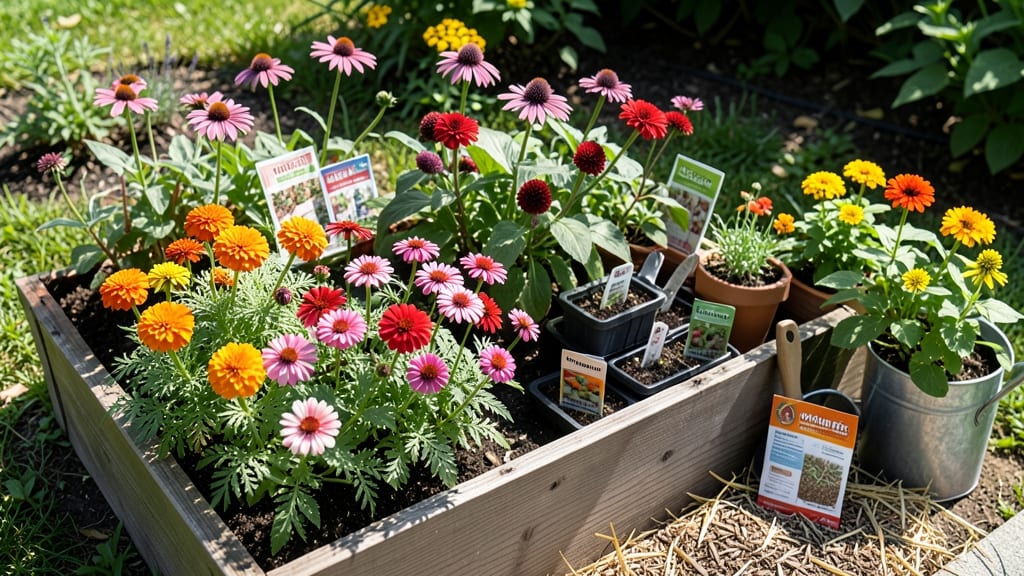
Timing when to plant flowers in North Texas just right can mean the difference between a showstopping garden and a sad, wilted disappointment. The key?
Planting when the soil is warm enough to prevent frost damage but not so late that summer’s brutal heat roasts your blooms before they even open.
North Texas gardeners in USDA Zone 8a have two prime windows: late February through early April for spring blooms, and late August to early October for fall favorites. But here’s the catch—your 🌸 might bolt if planted too early, or struggle in the heat if you wait too long.
The right schedule keeps your garden thriving all season long.
Whether you’re dreaming of bluebonnets in spring or lantana’s fiery blooms in fall, I’ll walk you through the exact months to plant—plus how to adjust for North Texas’ unpredictable weather. No more guessing games, just vibrant, long-lasting flowers that steal the show.
Ready to transform your yard into a year-round paradise? Let’s dive into the month-by-month planting guide that’ll keep your garden blooming from spring to frost.
North Texas flower planting calendar: best months by flower type
North Texas’ USDA Zone 8a/8b climate means timing is everything—plant too early, and frost zaps your blooms; too late, and summer’s heat stresses seedlings. My 10-year experience growing Texas natives and heat-lovers proves that March-April and September-October are the sweet spots for zero-risk planting.
Below, I’ve broken down the perfect windows for annuals, perennials, and bulbs to keep your garden thriving.
First, know your last frost date (typically March 15) and first frost (around November 15). In North Texas, soil temperatures must hit 60°F+ for spring planting—use a soil thermometer to avoid false starts.
For fall, aim for 6-8 weeks before frost to give roots time to establish before winter.
🌱 Annuals like marigolds, zinnias, and petunias love spring planting (March-April) and fall replanting (September-October). Heat-tolerant varieties (e.g., lantana, salvia) can handle late April starts, but always water deeply during 100°F+ heatwaves. Bulbs like tulips and daffodils need fall planting (October-November) for spring blooms.
🌿 Perennials such as black-eyed Susans and coneflowers thrive when planted in early spring (February-March) or early fall (August-September). These hardy plants establish roots before extreme heat or winter chill. Native wildflowers (e.g., bluebonnets, Indian paintbrush) should be sown in late winter (January-February) for spring germination.
🌷 Special Cases: Heat-sensitive annuals (e.g., pansies, snapdragons) must wait until April 15+ to avoid bolting. Drought-tolerant succulents (e.g., sedum, agave) can be planted year-round, but spring or fall gives them the best start.
🌸 North Texas Flower Planting Timeline
| Flower Type | Best Planting Months | Key Notes |
|---|---|---|
| Annuals (Heat-Lovers) | March-April, September-October | Lantana, Zinnias, Marigolds; avoid May heat |
| Annuals (Cool-Season) | February-March, August-September | Pansies, Snapdragons; risk of bolting in heat |
| Perennials | February-March, August-September | Coneflowers, Black-Eyed Susans; establish roots early |
| Bulbs (Spring Blooms) | October-November | Tulips, Daffodils; needs winter chill |
| Native Wildflowers | January-February | Bluebonnets, Indian Paintbrush; sow early |
| Succulents/Cacti | Year-Round (Best: Spring/Fall) | Sedum, Agave; avoid summer planting |
⚠️ Pro Tip: Use mulch after planting to retain moisture and regulate soil temperature.
For container gardening, start annuals indoors (February-March) or buy transplants in April to skip the frost risk. Herbaceous perennials (e.g., daylilies, coreopsis) can be divided in early spring or fall for instant blooms.
Always amend soil with compost before planting—North Texas’ clay-heavy soil drains poorly without prep.
If you’re in a microclimate (e.g., urban heat island or shaded yard
How to adjust planting times for North Texas’ unpredictable weather
North Texas weather is famously unpredictable, with late frosts in March and early heatwaves by May. These swings can turn your 🌸 dreams into a gardening nightmare if you’re not prepared. The key? Flexibility.
Use a soil thermometer to check when temperatures hit 60°F+—this is your green light for spring planting. If the ground stays cool, wait until early April to avoid frost damage to tender seedlings.
For fall planting, aim for late August to early October. But watch for unseasonable warmth—if temperatures soar above 90°F in September, delay until late October. A shade cloth over new transplants can buy you a few extra weeks in unpredictable heat.
If you’re in an urban heat island (like Dallas), your microclimate may be 5-10°F warmer than rural areas. Plant heat-loving annuals like Portulaca or Zinnia a week earlier than rural schedules. For rural areas, stick to the last frost date (March 15) as your guide.
Pro tip: Use row covers or cold frames to extend your spring planting window by 2-3 weeks. These protect seedlings from late frosts while letting sunlight through. Just remove covers when daytime temps hit 75°F+ to prevent overheating.
Remember, fall planting is your second chance for color. If summer’s heat stresses your garden, late August is ideal for cool-season bloomers like Pansies and Sweet Alyssum. These thrive in 60-70°F soil and bloom until frost.