
Plants
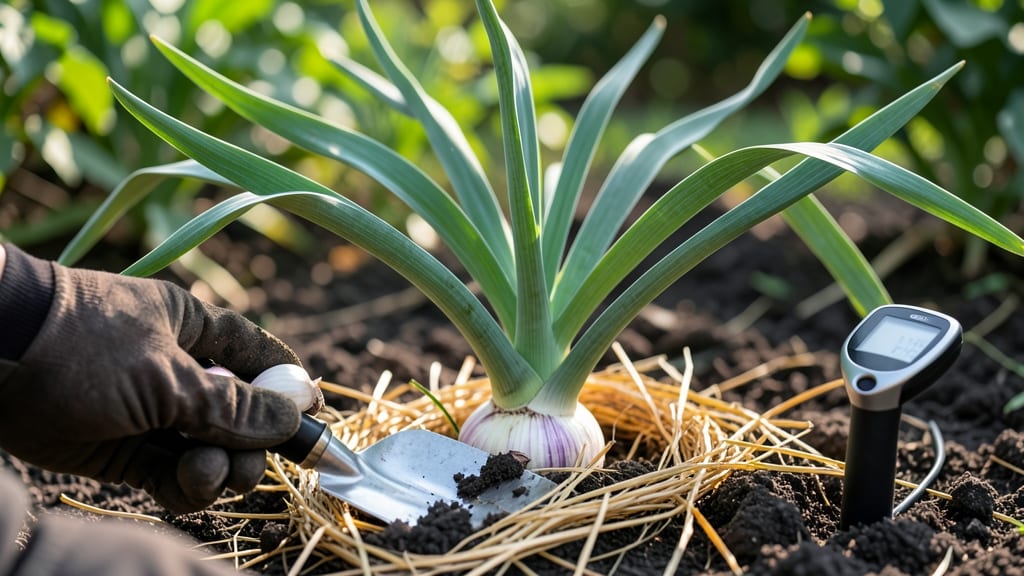
Timing your 🧄 garlic planting in New Mexico isn't just about the calendar—it's about beating the desert's unpredictable swings between scorching days and sudden freezes. Plant too early, and your crop might bolt before harvest.
Too late, and winter's bite could stunt growth. The sweet spot? A 4-6 week window before the ground freezes solid.
Most of New Mexico falls in USDA zones 6-8, where garlic thrives when planted between October and November. But here's the catch: Albuquerque's high desert behaves differently than Las Cruces' lower elevations.
We'll break down exactly how to read your local microclimate—because what works in Santa Fe's chilly nights won't cut it in the Rio Grande Valley's milder winters.
Why does this matter? Because bolting garlic—when plants flower prematurely—turns your potential harvest into bitter, inedible stalks. The key is planting when soil temps hover around 40-50°F, giving roots time to establish before winter sets in.
I'll show you how to time it perfectly for your specific corner of the state.
Ready to grow plump, flavorful bulbs next summer? Let's dive into the exact planting dates, soil prep tricks, and frost-proofing hacks that'll have your garlic thriving—no matter where you are in New Mexico's diverse landscape.
Best fall planting windows for New Mexico garlic to avoid bolting
New Mexico’s high desert climate creates unique challenges for garlic growers. Unlike coastal regions, our USDA zones 6-8 experience rapid temperature swings and dry air, making timing critical to prevent bolting. Plant too early, and your garlic may sprout but fail to bulb out.
Plant too late, and frost damages immature cloves. The key lies in soil temperatures—garlic needs 40-50°F soil to establish roots before winter dormancy.
Most New Mexico gardeners achieve success by planting between mid-October and early November. This window ensures garlic roots establish before ground freezes but avoids the heat stress of late summer planting.
However, your exact timing depends on elevation: Santa Fe’s 7,000ft+ elevation requires earlier planting than Las Cruces’ 3,500ft desert floor. Let’s break down the ideal windows by region.
| Region | USDA Zone | Best Planting Window | Soil Temp Threshold | Key Consideration |
|---|---|---|---|---|
| Santa Fe | 6-7 | Mid-September to October 15 | 40-45°F | Early frost risk; use cold frames |
| Albuquerque | 7-8 | October 1-20 | 45-50°F | Moderate elevation; watch for late frosts |
| Farmington | 6-7 | October 1-15 | 40-48°F | Cold winters; mulch heavily |
| Las Cruces | 8-9 | October 15-November 1 | 50-55°F | Warmer winters; extend window to Nov 15 |
Notice how Las Cruces can plant later due to its warmer microclimate, while Santa Fe must plant earlier to avoid early frosts. Even within Albuquerque’s USDA Zone 7, neighborhoods at 6,500ft may need to plant 2 weeks earlier than those at 5,000ft.
Always check your local first frost date—aim to plant 4-6 weeks before the average first frost.
Soil temperature is more critical than air temperature. Use a soil thermometer ($10 at garden centers) to verify conditions. Garlic cloves won’t sprout until soil reaches 40°F, but roots need 50°F+ to establish properly.
In high-altitude areas, soil may stay cold longer—don’t rush planting just because air temps drop. Wait for consistent 45°F soil temps before planting.
Another pro tip: Hardneck varieties (like Silverskin or Rocky Mountain) handle New Mexico’s climate better than softnecks. They’re bred for cold tolerance and produce bolts with scapes—a bonus harvest!
If you’re unsure about timing, plant a test row 2 weeks early and monitor for sprouting. Adjust your main planting accordingly.
Watering plays a crucial role in fall planting. After planting, give garlic a deep watering to settle soil around cloves. Then, maintain consistent moisture until the ground freezes.
New Mexico’s dry air can desiccate cloves, so mulch with straw or leaves (3-4 inches thick) to retain moisture and insulate roots. Avoid overwatering—waterlogged soil causes rot, especially in clay-heavy areas like parts of Albuquerque.
One common mistake is assuming December planting works in New Mexico. While possible in Zone 8 areas like Las Cruces, most regions won’t give garlic enough time to establish before winter dormancy.
If you miss your fall window, consider container growing—pots can be moved to protected areas during cold snaps. However, spring planting rarely yields quality bulbs in our climate.
Remember: Garlic needs cold to form bulbs. Without proper vernalization (cold exposure), your crop will bolt prematurely. In mild-winter years, you might need
Best fall planting windows for New Mexico garlic to avoid bolting
New Mexico's garlic planting window is narrow—just 4-6 weeks before the ground freezes solid. In most of the state (USDA zones 6-8), that means planting between mid-October and early November.
But here's the catch: Albuquerque's high desert climate behaves differently than Las Cruces' lower elevations, where winters are milder.
Your goal is to plant when soil temperatures drop to 40-50°F—this triggers root growth while preventing premature bolting. Too early, and your garlic might bolt before harvest. Too late, and winter's bite could stunt growth entirely. Let's break down the exact planting dates for your region.
🌱 Key Soil Temp Rule: Use a soil thermometer to confirm temps are below 60°F before planting. If you're unsure, err on the side of planting later rather than earlier.
| Region | USDA Zone | Ideal Planting Window | Soil Temp Goal | Last Frost Date |
|---|---|---|---|---|
| Albuquerque | Zone 7 | Late October - Early November | 40-50°F | Mid-November |
| Santa Fe | Zone 6 | Mid-October - Late October | 40-50°F | Early November |
| Farmington | Zone 6 | Late October - Early November | 40-50°F | Late November |
| Las Cruces | Zone 8 | Early November - Early December | 50-60°F | Late December |
If you're in a higher elevation (like Santa Fe or Taos), plant earlier—by mid-October—to account for colder nights. In lower desert areas (like Las Cruces or Deming), you can push planting to early December since winters are milder.
The key is to plant 6-8 weeks before the first hard frost.
Pro tip: Check your local Almanac frost dates and adjust by 2-3 weeks to give your garlic time to establish roots. For example, if your first frost is November 15th, aim to plant by October 1st. This buffer ensures your garlic won't bolt prematurely due to warm spells.
Once planted, mulch with 2-3 inches of straw to insulate the soil and protect cloves from temperature fluctuations. This is especially critical in New Mexico's high desert, where nights can drop below freezing even when days are warm.