
Plants
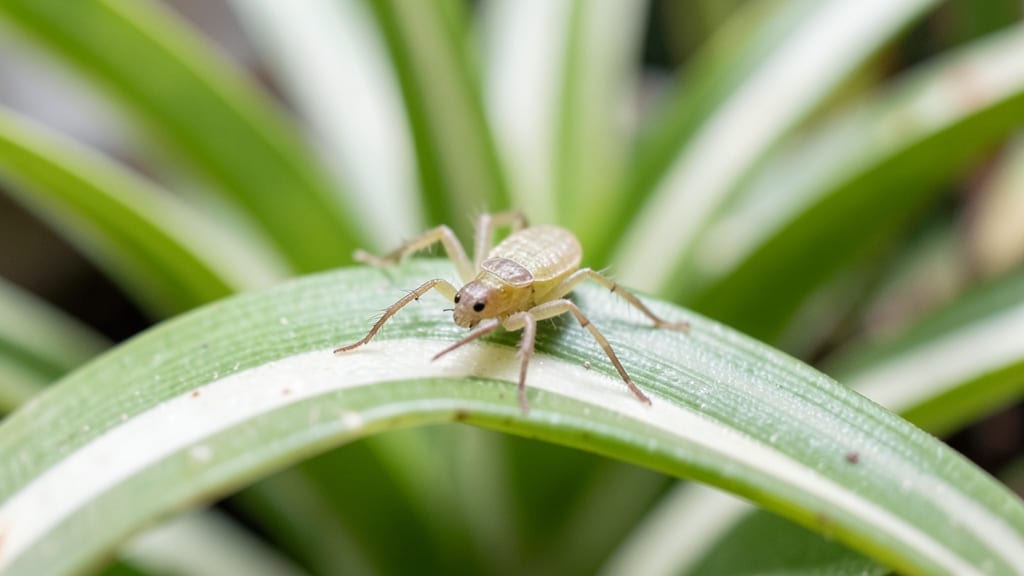
If your 🌿 Spider Plant keeps looking sad—leggy, dull, or crispy—chances are, you're getting how much light does a spider plant need indoors all wrong. This hardy plant thrives in bright indirect sunlight, but most people either smother it in harsh rays or hide it in dark corners.
The good news? With just a few simple adjustments, you can transform that struggling plant into a lush, happy green machine.
I've seen firsthand how light exposure makes or breaks a Spider Plant's health. Too little light, and it stretches toward any available rays, losing its vibrant stripes. Too much direct sun, and those beautiful leaves turn brown at the edges.
The key is finding that sweet spot where your plant gets enough brightness without burning out.
What you're about to discover isn't just theory—it's practical, actionable advice for your specific indoor space.
We'll cover exactly where to place your plant (hint: near an east-facing window is ideal), how to spot light problems before they damage your plant, and what to do if your home just doesn't have great natural light.
By the end, you'll know exactly how much light your Spider Plant needs to flourish indoors—no guesswork required. Let's get your plant the perfect lighting conditions so it can reward you with those signature arching leaves for years to come.
 Best Window Placement
Ideal light conditions for spider plants: bright indirect sunlight explained
Spider plants thrive in bright indirect sunlight, making them perfect for most indoor spaces. Unlike direct sun, which can scorch their leaves, indirect light provides the gentle energy they need to grow lush and vibrant.
Think of it like a morning coffee—just enough to wake up without burning out.
Indoors, the best spots are near east-facing or north-facing windows, where sunlight is soft and diffused. South or west windows can work too, but only if you place the plant 3-5 feet away to avoid harsh afternoon rays.
Even offices with fluorescent lighting can support a spider plant, though growth may be slower.
Here’s how your spider plant reacts to different light levels: in low light, it stretches toward the nearest source, growing leggy and sparse. In ideal bright indirect light, leaves stay compact, variegated stripes pop, and new growth is bold and healthy.
Too much direct sun? Watch for brown or crispy leaf tips—a clear sign of sunburn.
Pro tip: Rotate your plant quarter-turns every 2-3 weeks to ensure even light exposure. This prevents one side from leaning toward the window while the other stays weak.
Variegated spider plants (like the popular 'Variegata' variety) need slightly more light to maintain their striking stripes, so place them closer to the window than solid-green types.
If you’re unsure about your space’s light levels, test it with a simple trick: hold a piece of paper near the window. If the shadows are sharp and dark, it’s direct sun. If shadows are soft and fuzzy, you’ve got bright indirect light—perfect for your spider plant.
| Light Level | Spider Plant Reaction | Ideal Indoor Location |
|---|---|---|
| Low Light (e.g., north-facing room, fluorescent office) | Leggy growth, pale leaves, sparse variegation | Survives but grows slowly; supplement with grow lights |
| Medium Light (e.g., east-facing window, 3-5 ft from south window) | Compact growth, vibrant green leaves, moderate variegation | Best spot! Thrives with minimal stress |
| High Light (e.g., direct south/west sun, near glass doors) | Brown leaf tips, crispy edges, faded variegation | Move to indirect light ASAP; risk of sunburn |
🌱 Light Tip: Use sheer curtains to diffuse harsh sunlight without blocking all light.
Variegated spider plants are light-hungry compared to their green counterparts. If your plant’s white or yellow stripes are fading to green, it’s a cry for more light. Move it closer to the window or add a grow light for 4-6 hours daily.
LED grow lights (like those designed for seedlings) are energy-efficient and won’t overheat your plant.
Seasonal changes affect light too. In winter, days are shorter, and indoor light dimmer. If you notice your spider plant slowing down, consider moving it to a sunnier window or extending its light exposure with a timer-controlled grow bulb.
Even a 12-inch LED light placed 12 inches above the plant can make a difference.
Remember, spider plants are forgiving—they’ll survive in less-than-ideal light, but they’ll thrive when given the right conditions. Start with a medium-light spot, observe how it responds, and adjust gradually.
With the right light, your spider plant will reward you with lush foliage and those iconic "spiderettes" (baby plants) dangling from the ends!
Need a quick fix? Place your spider plant on a rotating plant stand near a window. This ensures all sides get equal light, preventing lopsided growth. Even a simple turn every few days keeps your plant balanced and happy.
Ideal light conditions for spider plants: bright indirect sunlight explained
Your Spider Plant thrives in bright indirect light, which means it needs plenty of natural light—but not the harsh, direct rays that can scorch its leaves. Think of it like a sunbather who loves a beach day but needs an umbrella to stay comfortable.
The perfect spot mimics the dappled sunlight found under a tree canopy in nature.
Indoors, this typically translates to placing your plant within 2-3 feet of an east-facing or north-facing window. East windows provide gentle morning sunlight, while north windows offer consistent, soft light all day. These locations prevent the intense afternoon sun that can damage delicate leaves.
Spider Plants are incredibly adaptable, but their variegation (those beautiful stripes) fades when deprived of adequate light. Without enough brightness, the green parts of the leaves dominate, losing that striking contrast. On the flip side, too much direct sun causes the tips to turn brown and crispy, a clear sign of sunburn.
| Light Condition | Indoor Location | Spider Plant Reaction | Growth Impact |
|---|---|---|---|
| Low Light (e.g., bathroom, basement) | North-facing window, 5+ feet away | Leaves stretch, lose variegation | Slow growth, weak stems |
| Medium Light (e.g., kitchen, office) | East/west window, 3 feet away | Healthy green with some variegation | Moderate growth, sturdy leaves |
| Bright Indirect (e.g., living room) | East/north window, 2 feet away | Vibrant stripes, compact growth | Fastest growth, lush foliage |
| Direct Sun (e.g., south window) | No shade, afternoon sun | Brown leaf tips, bleached spots | Stunted growth, leaf burn |
If your home lacks natural light, don’t despair! Grow lights can bridge the gap, especially LED full-spectrum bulbs designed for plants. Place the light 6-12 inches above your Spider Plant and provide 12-14 hours of light daily.
I’ve seen Spider Plants thrive under these lights in offices with no windows at all.
Pro tip: Rotate your plant quarter-turn weekly to ensure even growth. Spider Plants naturally lean toward light sources, so consistent rotation keeps them balanced and bushy. This simple habit makes a world of difference in their appearance over time.
Remember, bright indirect light is the Goldilocks zone for Spider Plants—not too hot, not too cold, but just right. With the right placement, your plant will reward you with arching, striped leaves and those adorable "spiderettes" (baby plants) for years to come. 🌱