
Plants
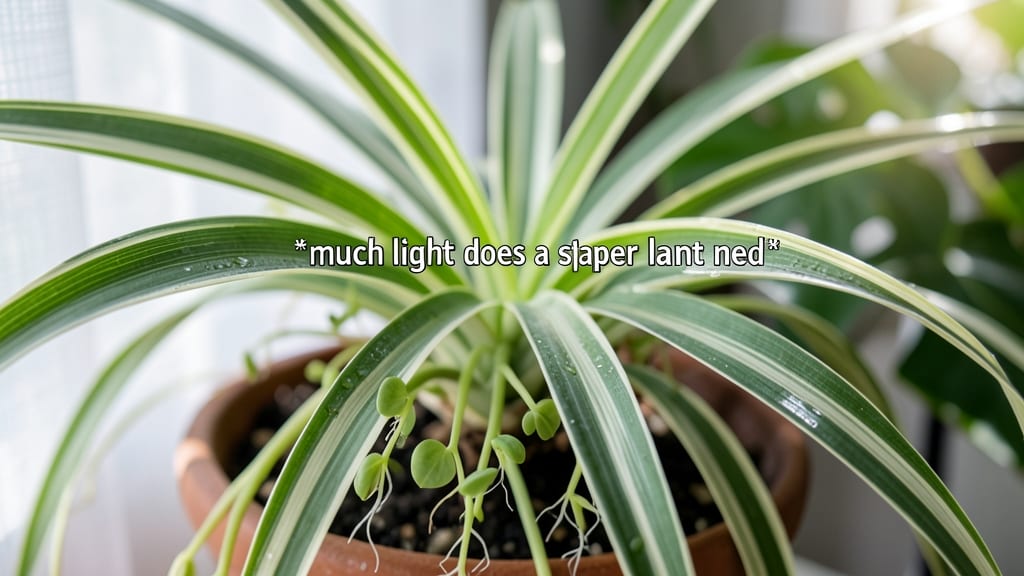
If you're asking "how much light does a spider plant need?", you're not alone—this is the #1 question that trips up even experienced plant parents. The good news?
Your 🕷️ Spider Plant is one of the most forgiving houseplants out there, but getting the light right makes all the difference between a lush, happy plant and one that's struggling to survive.
Most people assume these plants need bright, direct sunlight, but that's actually where they struggle. In reality, your spider plant thrives in bright, indirect light—think of it as the perfect balance between too little and too much.
Whether you're dealing with a dim office corner or a sunny kitchen window, I'll show you exactly where to place your plant for maximum growth without risking sunburn.
Here's the secret: spider plants are masters of adaptability. They'll survive in low light conditions, though they won't grow as vigorously. But push them into harsh direct sunlight, and you'll start seeing brown tips and crispy leaves within weeks.
The key is finding that sweet spot where your plant gets enough light to stay happy without getting stressed out.
In this guide, I'll walk you through everything from identifying the perfect light conditions in your home to spotting early signs that your spider plant isn't getting what it needs.
You'll learn how to adjust lighting naturally, whether you're working with fluorescent bulbs or trying to maximize natural light in different rooms. Let's get your spider plant thriving!
 Best Window Placement
Spider plant light requirements: the perfect balance of low to medium light
Spider plants (Chlorophytum comosum) are famously adaptable, but their light needs often get misunderstood. These resilient plants thrive in bright indirect light, making them perfect for homes with limited direct sunlight.
Unlike sun-loving plants, spider plants can tolerate low-light conditions, though their growth may slow without adequate brightness. The key is finding that sweet spot where they receive enough light to stay vibrant without scorching.
Most homes offer ideal spots for spider plants near east or west-facing windows, where morning or afternoon sun gently filters through. These windows provide 4-6 hours of indirect light daily, which is perfect for encouraging healthy foliage and those iconic spiderettes (the plant’s baby offshoots).
If you’re unsure about your space, start by placing your spider plant a few feet away from a window and observe its reaction over a week.
Fluorescent lighting is another great option for indoor growers, especially in offices or rooms without natural light. A standard cool-white bulb placed 12-18 inches above the plant can mimic natural light, providing the bright indirect light spider plants crave. For best results, keep the plant under lights for 12-14 hours daily, mimicking a natural day cycle.
Spider Plant Light Requirements Summary
| Light Condition | Ideal Placement | Growth Impact |
|---|---|---|
| Bright Indirect Light | East/West Window, 2-3 ft away | Optimal growth, vibrant leaves |
| Low Light (Fluorescent) | North Window or under grow lights | Slower growth, may lose variegation |
| Direct Sunlight | South Window (filtered) | Leaf burn, yellowing edges |
| Artificial Grow Lights | 12-18 inches above plant | Healthy growth, ideal for offices |
If your home lacks natural light, don’t worry—spider plants are low-light tolerant. They’ll survive in north-facing windows or even dimly lit corners, though their leaves may lose some of their variegated stripes (the white or yellow edges) over time.
For a quick fix, rotate your plant quarter-turns every few weeks to ensure even light exposure, preventing lopsided growth.
Outdoor enthusiasts can also enjoy spider plants in partial shade gardens, especially in USDA Zone 6a or warmer. Place them under dappled sunlight (like under a tree canopy) where they’ll receive filtered light for most of the day.
Just avoid harsh afternoon sun, which can cause leaf scorch and damage their delicate foliage.
Pro tip: Use a light meter or your phone’s light sensor app to measure brightness in potential spots. Spider plants thrive in 1,000-3,000 foot-candles of light, which is roughly the brightness of a well-lit office.
If your space falls below this range, supplement with a LED grow light for 6-8 hours daily to keep your plant happy.
Seasonal changes also affect light exposure. In winter months, shorter daylight hours mean your spider plant may need extra care. Move it closer to a south-facing window or extend its light exposure with a timed grow light to maintain its energy levels.
Conversely, in summer, watch for signs of heat stress if placed near hot windows, and provide afternoon shade if needed.
Remember, spider plants are forgiving, but they’ll always thank you with lush growth when given the right light. Start with bright indirect light, monitor their response, and adjust as needed.
With the right balance, your spider plant will reward you with long, arching leaves and plenty of spiderettes to share with friends!
Signs your spider plant isn’t getting enough (or too much) light
Your spider plant speaks volumes through its leaves—pay attention to these visual cues that reveal whether it's getting too little or too much light. The most common sign of underlighting is pale, green leaves that lose their variegated stripes, especially the white or yellow edges.
When light-starved, your plant may also grow long and leggy, with leaves stretching toward any available light source in a desperate bid for energy.
Another red flag is slow or stunted growth. If your spider plant isn’t producing new spiderettes (those adorable baby offshoots) or its leaves are growing smaller than usual, it’s likely light-deprived.
Even the plant’s posture changes—leggy stems and sparse foliage are classic signs of insufficient brightness. The good news? These issues are easily reversible with a simple light adjustment.
On the opposite end, too much direct sunlight causes brown tips and crispy edges on leaves, often starting at the tips and working inward. You might also notice yellowing or bleached patches where sunlight hits most intensely.
These are clear signs of sunburn, and while the plant won’t die from it, the damage reduces its overall health and appearance.
🚨 Light Stress Warning Signs
Too Little Light: Pale leaves, lost variegation, leggy growth, few spiderettes
Too Much Light: Brown tips, crispy edges, yellow patches, bleached spots
Solution: Move to bright indirect light or adjust placement gradually over 1-2 weeks.
If you spot these signs, don’t panic—spider plants are resilient! The key is gradual adjustment. Move your plant to a slightly brighter spot over 1-2 weeks to avoid shocking it.
For example, if your plant is in a north-facing window and showing signs of underlighting, shift it 1-2 feet closer to an east or west window each day until it reaches the ideal spot.
For plants suffering from sunburn, create shade by placing a sheer curtain between the plant and the window or moving it 3-4 feet back from the glass.
If your spider plant is near a south-facing window, consider using a reflective surface (like a mirror) to bounce light around the room without exposing the plant directly to harsh rays.
Pro tip: Use your fingers to test leaf texture. Healthy spider plant leaves should feel firm and slightly plump. If they’re soft or mushy (from overwatering in low light) or dry and brittle (from too much sun), it’s another clue that light levels need adjusting.
Combine this with proper watering habits—underlit plants need less frequent watering, while sun-stressed plants may need more hydration to recover.
Remember, spider plants are forgiving, but they do communicate their needs clearly. By watching for these visual cues and making small adjustments, you’ll keep your plant thriving year-round.
Once you find the perfect light balance, you’ll see vibrant variegation, plentiful spiderettes, and strong, upright growth—proof that you’ve cracked the light code!