
Companion Plants
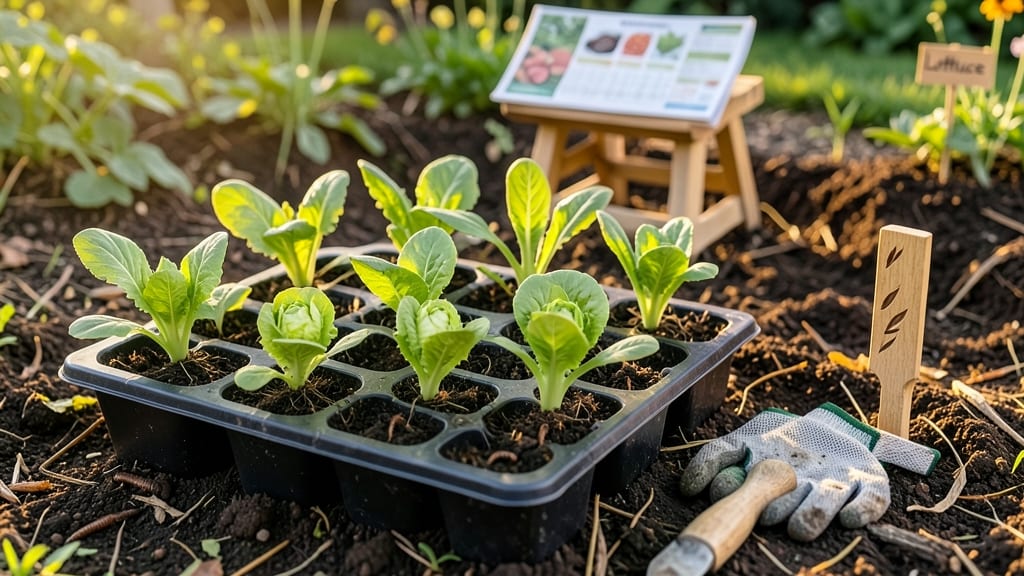
If you’ve ever planted 🥬 lettuce in Zone 6 only to watch it bolt into bitter leaves before harvest, you’re not alone. The key to crisp, sweet lettuce lies in planting at the perfect time—not too early when frost lingers, and not too late when summer heat sets in.
In Zone 6, timing your lettuce correctly means starting seeds indoors 4-6 weeks before your last frost (around mid-April) or sowing directly in the garden once soil warms to 40°F.
But here’s the catch: plant too soon, and frost will stunt growth; wait too long, and heat will trigger bolting. I’ll show you exactly how to nail those windows for two harvests a year—spring and fall—without the guesswork.
Whether you’re a beginner or a seasoned gardener, these science-backed tips will help you avoid common mistakes. From choosing bolt-resistant varieties to extending your harvest with simple tricks, you’ll learn how to keep your lettuce thriving from March through November.
Ready to grow lettuce that’s crisp, flavorful, and ready to harvest? Let’s dive into the exact schedule and strategies that work in Zone 6’s climate.
Zone 6 lettuce planting calendar: exact weeks before last frost for success
In Zone 6, timing your lettuce planting is critical to avoid bolting (premature flowering) and ensure crisp, flavorful harvests. The last average frost date for most Zone 6 areas is around April 15, but soil temperatures must also be considered—lettuce thrives in 45–75°F soil.
Planting too early in cold soil stunts growth, while late planting risks heat stress.
For spring lettuce, aim to sow seeds 4–6 weeks before your last frost date. This means starting indoors in late February to early March (if using transplants) or direct-sowing outdoors in late March to early April.
In fall, plant 8–10 weeks before your first frost (typically August 1–September 15) to allow a full harvest before cold sets in.
Here’s the key: Soil temperature matters more than air temperature. Lettuce seeds won’t germinate well below 40°F, and growth slows dramatically in soil below 50°F. Use a soil thermometer to confirm readiness—wait until soil hits 45°F for spring plantings.
Zone 6 gardeners often struggle with late-spring heat, which triggers bolting. To combat this, choose bolt-resistant varieties like ‘Black Seeded Simpson’ or ‘Winter Density’, and provide afternoon shade with floating row covers during hot spells.
Pro tip: Succession planting every 2–3 weeks ensures a continuous harvest. For example, sow a batch in late March, another in early April, and a final one in mid-August for fall crops. This stretches your harvest from May through November.
🌱 Zone 6 Lettuce Planting Timeline
| Season | Planting Window | Soil Temp Requirement | Harvest Window | Key Tips |
|---|---|---|---|---|
| Spring | Late March–Early April | 45–65°F (use row covers for cold snaps) | May–June | Start indoors 4–6 weeks before last frost |
| Spring (Succession) | Every 2–3 weeks until May 1 | 50–70°F (avoid heat stress) | June–July | Use shade cloth for afternoon sun |
| Fall | August 1–September 15 | 50–65°F (cool nights prevent bolting) | October–November | Choose cold-hardy varieties like ‘Winter Density’ |
| Fall (Late) | September 15–October 1 (with row covers) | 40–55°F (protect from frost) | November–December | Use cold frames for overwintering |
One common mistake is planting lettuce too early in Zone 6. If you sow seeds in February, they’ll sit in cold soil and rot or sprout unevenly.
Instead, wait until soil warms to 45°F (usually late March) or start seeds indoors under grow lights in late February.
For fall plantings, focus on late August to mid-September to give lettuce enough time to mature before first frost. If your area has early frosts, opt for cold-hardy varieties like ‘Arctic King’ or ‘Winter Density’, which tolerate light frosts (25–28°F) without damage.
Remember: Lettuce is a cool-season crop, so it thrives when days are shorter and nights are cooler. Avoid planting during peak summer heat (June–July), as temperatures above 75°F will cause bolting within 2–3 weeks. Instead, use this time to prepare beds for fall plantings.
To maximize your harvest, pair lettuce with companion plants like radishes (they mark rows and deter pests) or carrots (which break up compacted soil). Avoid planting near celery or parsley, as they compete for nutrients.
How to extend your lettuce harvest season in Zone 6 without bolting
Zone 6 gardeners know the struggle: crisp spring lettuce bolts by summer, and fall crops often wilt before frost. The solution? Strategic timing and protective measures to stretch your harvest from early spring to late fall.
I’ve grown lettuce for 8 years in Zone 6, and these methods have kept my garden producing fresh leaves for nearly 9 months straight.
The key is succession planting—staggering sowings every 2-3 weeks—paired with seasonal adjustments. For spring, start seeds indoors 4-6 weeks before your last frost (typically mid-April in Zone 6), then follow with direct sowings every 2 weeks until early June.
For fall, begin 8-10 weeks before your first frost (around early September) and continue until mid-October.
But timing alone won’t cut it. Heat and cold stress trigger bolting, so I rely on row covers in early spring and shade cloth (30-50%) during summer’s peak.
A simple lightweight fabric row cover adds 4-8°F of protection, letting you plant lettuce 2-3 weeks earlier in spring or 2-3 weeks later in fall without frost damage.
For summer heat, shade cloth is a game-changer. Hang it 3-4 feet above plants to allow airflow while blocking 20-30% of sunlight. This keeps soil temps down and prevents bolting. I’ve successfully grown ‘Jericho’ lettuce in July under shade cloth—something I’d never tried before these tricks!
- 📅 Succession Plant: Sow every 2-3 weeks from spring to fall for continuous harvests.
- 🛡️ Use Row Covers: Extend spring planting by 2-3 weeks and protect from late frosts.
- 🌞 Add Shade Cloth: Block 30-50% sunlight in summer to prevent bolting.
- 💧 Water Deeply: Keep soil consistently moist (1 inch per week) to avoid stress.
- 🥬 Choose Heat-Tolerant Varieties: Opt for ‘Black Seeded Simpson’ or ‘Jericho’ for summer.
Don’t overlook mulching—a 2-inch layer of straw or shredded leaves retains moisture and regulates soil temperature. This is especially critical in Zone 6’s hot summers and cold snaps. I’ve seen mulched beds stay 5-10°F cooler than bare soil, which dramatically reduces bolting.
Finally, harvest strategically. Instead of waiting for full heads, pick outer leaves when they’re 3-6 inches long. This encourages regrowth and extends the harvest by 3-4 weeks. For head lettuce, harvest when firm and compact—usually 45-60 days after sowing, depending on the variety.
With these techniques, you can enjoy fresh lettuce from April through November in Zone 6—no bitter bolting in sight! The secret? Plan ahead, protect your plants, and harvest often. Your taste buds (and salad bowls) will thank you.