
Plants
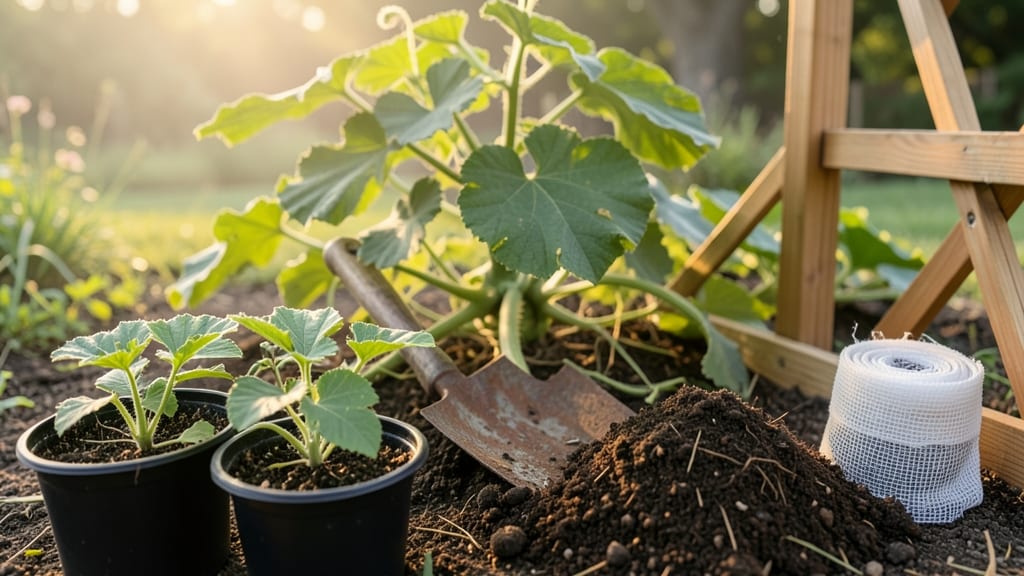
Planting pumpkins in Indiana isn’t just about throwing seeds into the ground—it’s about catching that perfect window between frost and summer heat to ensure a bountiful harvest.
With Indiana’s USDA Zone 6a climate, timing matters more than you might think, especially when those 🎃 vines need at least 90 days to mature.
If you’ve ever wondered why your pumpkins underperform, the answer likely lies in when—and how—you planted them. Indiana’s last frost typically arrives around mid-April, but soil temperatures need to hit 60°F before seeds go in.
That means waiting until early May for most gardeners, though starting seeds indoors 4-6 weeks earlier can give you a head start.
Here’s the game-changer: skipping the guesswork. I’ll walk you through the exact planting schedule for Indiana, including soil prep, spacing tricks, and backup plans for those unpredictable Indiana springs.
Whether you’re a first-time grower or a seasoned pro, these tips will help you avoid common pitfalls and maximize your harvest.
From choosing the right pumpkin varieties to adjusting for late frosts, you’ll learn how to turn Indiana’s growing season into your pumpkin-growing advantage. Let’s get those seeds in the ground the right way—so you’re carving (or baking!) pumpkins by fall.
Indiana pumpkin planting calendar: exact dates by Zone 5 vs. Zone 6
Indiana’s USDA Zones 5 and 6 create a 2-week difference in ideal planting windows for pumpkins. In Zone 5, where last frosts linger until May 15, you’ll need to start seeds indoors or use row covers for early protection.
Meanwhile, Zone 6 gardeners enjoy a longer season, with safer outdoor planting until June 1.
Pumpkins need 90-110 days to mature, so timing is critical. Plant too early, and vines risk frost damage; too late, and your harvest may shrink before first frost (October 15). The key is aligning your planting with soil temperatures of at least 60°F and local frost-free averages.
For Zone 5, aim to transplant seedlings outdoors by May 20—or direct-sow seeds after May 15 if soil is warm.
In Zone 6, you have flexibility until June 1 for direct sowing, but earlier starts (indoors by March 15) give you a head start for larger varieties.
| Zone | Last Frost Date | Indoor Start (Seeds) | Outdoor Transplant | Direct Sow Window | Harvest Window |
|---|---|---|---|---|---|
| 5 | May 15 | March 15 | May 20 | May 15–June 1 | Late Sept–Oct |
| 6 | April 15 | March 1 | April 30 | April 15–June 1 | Early Sept–Oct |
If Indiana’s spring throws a curveball—like a late frost in May—use black plastic mulch to warm soil faster or opt for cold-tolerant varieties like ‘Howden’ (75-day maturity).
For Zone 6, you can even squeeze in a second planting by July 1 for smaller varieties like ‘Jack Be Little’ (50-day maturity).
Pro tip: Check Purdue Extension’s frost maps for your county’s specific averages, as microclimates can shift planting dates by 1-2 weeks. For example, northern Indiana (Zone 5) may need to wait until May 25, while southern Indiana (Zone 6) can start by April 15.
For container growing, start seeds indoors by March 1 (Zone 6) or March 15 (Zone 5) and transplant into 5-gallon pots after last frost. Use lightweight potting mix to prevent root bound vines, which can’t support heavy pumpkins.
Remember: Soil temperature matters more than calendar dates. Use a soil thermometer to confirm 60°F+ before planting. Cold soil slows germination, leaving your pumpkins vulnerable to cucumber beetles and other pests that thrive in cool, damp conditions.
To maximize your harvest, pair pumpkins with bush beans or radishes as companion plants—they deter pests and improve soil nitrogen. Avoid planting near potatoes or squash, which compete for nutrients and attract the same diseases.
🎃
How to adjust pumpkin planting for Indiana’s unpredictable weather patterns
Indiana’s weather can throw curveballs—one day it’s 60°F and sunny, the next it’s a late frost or scorching heatwave. The key to success? Flexibility. If you’ve ever planted pumpkins only to see them nipped by frost or wilt in heat, you’re not alone.
But with the right adjustments, you can turn Indiana’s unpredictable climate into an advantage for your pumpkin patch.
Start by monitoring your soil temperature—pumpkin seeds need 60°F+ soil to germinate. Use a soil thermometer to avoid planting too early. If your soil warms slower than expected, consider using black plastic mulch to absorb heat and speed up warming.
This trick can shave 1-2 weeks off your planting timeline, giving you that extra buffer for late springs.
Here’s my pro tip: Use row covers (lightweight fabric) to protect young seedlings from unexpected frosts. You can find these at garden centers for under $20 and simply drape them over your pumpkin hills.
Remove them once the plants are established—usually after the last frost date (around April 15 in most of Indiana). This extra layer of protection can mean the difference between a thriving vine and a lost crop.
⚠️ Watch for These Indiana-Specific Risks
- Late frosts: Even after the average last frost, cold snaps can linger. Use row covers or plant in microclimates (near fences or buildings).
- Heatwaves: Pumpkins wilt in extreme heat. Mulch heavily to retain moisture and water deeply in the morning.
- Fungal diseases: Indiana’s humidity fuels powdery mildew. Space plants 4-6 feet apart for airflow and avoid overhead watering.
Pro move: Plant companion plants like marigolds or nasturtiums to deter pests and improve air circulation.
If your pumpkin seeds take too long to germinate (sometimes 10-14 days in cool soil), consider transplanting seedlings instead of direct-sowing. Start seeds indoors 4-6 weeks before your last frost date, then harden them off before moving them outside.
This method gives you a head start and reduces the risk of losing your crop to a sudden frost. Just be sure to acclimate seedlings gradually to outdoor conditions to avoid shock.
For those late-summer heatwaves that Indiana loves to dish out, focus on shade cloth (30-50% coverage) during peak afternoon heat. This keeps your pumpkins from overheating while still allowing plenty of sunlight.
Pair this with drip irrigation to deliver water directly to the roots, cutting down on evaporation and fungal risks. Consistency is key—pumpkins hate soil moisture swings, so aim for 1-2 inches of water per week, especially during fruit development.
Finally, don’t overlook the power of spacing and layout. In Indiana’s compact gardens, pumpkins can sprawl uncontrollably. Use trellises or cages for smaller varieties like ‘Jack Be Little’ to save space, or plant in raised beds for better drainage and warmer soil.
If you’re short on space, consider container-growing—just ensure your pots are at least 5 gallons and have drainage holes. With these adjustments, you’ll turn Indiana’s quirks into opportunities for a bountiful, stress-free harvest.