
Plants
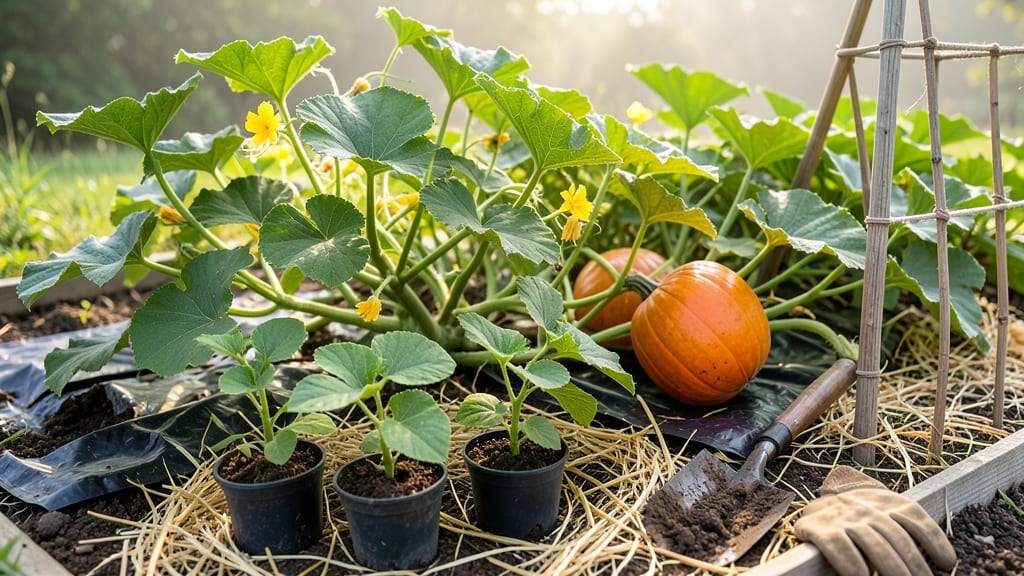
Planting pumpkins in South Carolina at the wrong time can mean the difference between a bountiful harvest and bolting vines that never produce fruit.
With the right timing—typically between mid-April and early June—your 🎃 plants will thrive in USDA zones 7b-8a, avoiding the pitfalls of early frost or scorching summer heat.
Most gardeners in South Carolina make one of two mistakes: planting too early when soil temperatures are still chilly or waiting too late when summer’s intensity arrives. The key is waiting until the soil reaches at least 60°F and the last frost has passed, usually by mid-March.
This ensures your pumpkins get a strong start without wasting precious growing days.
In this guide, I’ll break down the exact planting windows for your heat zone, share soil prep secrets for South Carolina’s sandy loam, and reveal 5 pro tips to extend your growing season. Whether you’re aiming for Halloween decorations or Thanksgiving pies, timing is everything—and I’ve got you covered.
Let’s dive into the science behind pumpkin planting so you can enjoy a harvest from September to November without the stress of bolted vines or stunted growth. Your future pumpkin patch starts here.
South Carolina pumpkin planting timeline by heat zone (avoid bolting!)
South Carolina’s diverse climate—from the coastal lowcountry to the Upstate Piedmont—means pumpkin planting windows vary by USDA heat zone. Plant too early, and frost will kill seedlings; too late, and your vines may bolt before harvest. Here’s your zone-by-zone guide to timing pumpkin seeds for maximum yield.
Most of South Carolina falls within USDA Zones 7b–8a, with last frost dates ranging from mid-March in Charleston to late March in Greenville. Pumpkins need 75–120 days to mature, so aim to plant after soil warms to 60°F—typically mid-April to early June.
For cooler zones (7a/7b), like the Upstate, start seeds indoors in late March and transplant after last frost. In warmer zones (8a/8b), like Florence or Myrtle Beach, direct-sow seeds in early April for a longer growing season.
Here’s your heat-zone planting chart for classic varieties like ‘Howden’ (90 days) and ‘Cinderella’ (85 days), with frost-free days and ideal transplant windows:
| USDA Zone | Last Frost Date | Ideal Planting Window | Soil Temp | Transplant Ready |
|---|---|---|---|---|
| 7a (Upstate) | Mid-March | Late March (indoors) / Early May (outdoors) | 60°F+ | After May 15 |
| 7b (Piedmont) | Late March | Mid-April (outdoors) / Early June (late starts) | 60°F+ | After April 15 |
| 8a (Coastal) | Early March | Early April (direct sow) / Late May (late starts) | 55°F+ | After March 20 |
| 8b (Lowcountry) | Mid-February | Late March (direct sow) / June (late starts) | 50°F+ | After February 28 |
🌱 Note: Use black plastic mulch in cooler zones to warm soil faster.
In Zone 8a/8b, you can even squeeze in a second planting in early June for smaller varieties like ‘Jack-Be-Little’ (80 days). Just be ready to harvest by early November before the first frost hits.
For direct sowing, drop seeds 1 inch deep, 2–3 feet apart in hills (4–5 seeds per hill). Thin to 2–3 strongest plants per hill once vines hit 3 feet long. In containers, use 5-gallon buckets for dwarf varieties like ‘Baby Boo’ (75 days).
Watch for bolting—when vines flower prematurely due to heat stress. If temps hit 90°F+, provide shade cloth (30%) during peak afternoon sun. Mulch with straw to retain moisture and cool roots.
Pro tip: Use a soil thermometer to confirm 60°F soil temps before planting. In sandy soils (common in SC), water deeply every 3–5 days to prevent stress.
Timing is everything! Plant too early, and frost will strike; too late, and your pumpkins won’t ripen before first frost (mid-November). Use this guide to align your planting window with your zone’s frost-free days for bolt-free, bountiful pumpkins.
5 Pro tips to extend pumpkin growing season in South Carolina’s humid climate
South Carolina’s humid summers and sandy soil can turn pumpkin growing into a challenge if you’re not prepared. The key to success lies in preventing bolting, managing heat stress, and protecting against pests like squash vine borers.
With the right strategies, you can extend your growing season by 3-4 weeks—enough to avoid early frost and maximize your harvest.
First, focus on soil preparation. South Carolina’s sandy loam drains too quickly, so amend it with compost or aged manure to retain moisture and nutrients. Aim for a 6.0-6.8 pH level, as pumpkins thrive in slightly acidic to neutral soil.
A simple soil test from your local Cooperative Extension Service can save you from guesswork.
Next, use mulching to regulate soil temperature and conserve moisture. Organic mulch like straw or shredded leaves keeps roots cool in summer and prevents weeds from competing for nutrients. Apply a 3-4 inch layer around your pumpkin hills, but avoid piling mulch directly against the stems to prevent rot.
Don’t overlook the power of shade cloth during South Carolina’s brutal summer heat. If temperatures climb above 90°F, provide 30-50% shade to protect young plants from heat stress. This is especially critical for transplants or slow-growing varieties like ‘Cinderella.’
Finally, keep an eye on your pumpkins’ watering needs. While they love moisture, overwatering can lead to blossom-end rot. Water deeply once a week (or more in extreme heat) and always in the morning to allow foliage to dry before nightfall.
This simple habit can double your yield by preventing fungal diseases.