
Plants
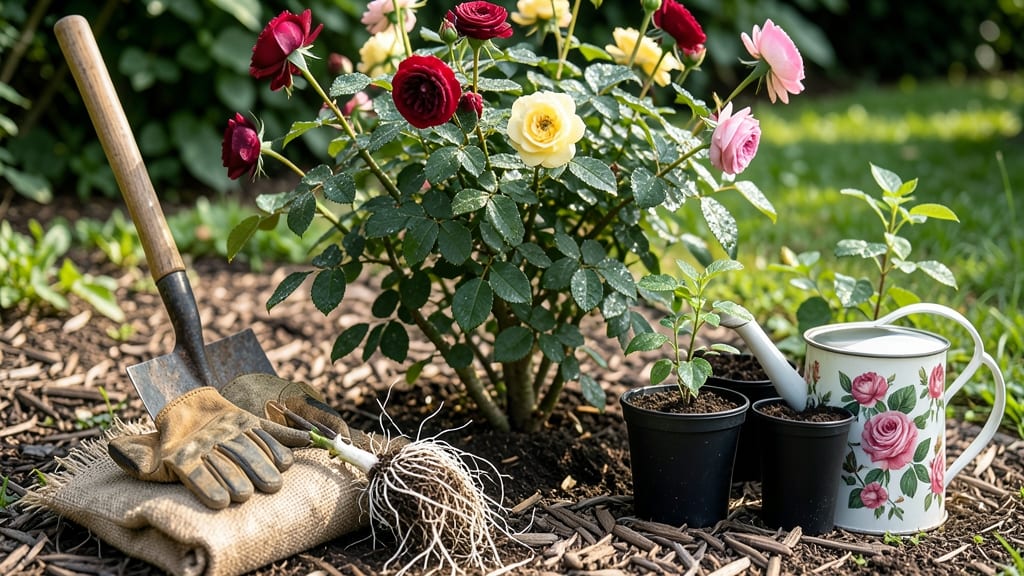
Planting your 🌹 roses in Texas at the wrong time can turn your dream garden into a sad, wilted mess—but get the timing right, and you’ll enjoy vibrant blooms for years.
Texas’s unique climate zones (like 8a-10b) mean what works in Houston might fail in El Paso, so knowing the perfect window is key.
Most gardeners assume spring is the only time to plant, but fall (October–November) is actually ideal for bare-root roses, giving them time to establish roots before summer’s brutal heat.
Meanwhile, container-grown roses can go in year-round in milder zones like 8b+, but even they need strategic timing to avoid stress.
In this guide, I’ll break down the exact months for each Texas region—from North Texas’s chilly winters to South Texas’s long, hot summers—so you can plant with confidence.
You’ll also learn how to prep your soil, spot signs of poor timing, and keep your roses thriving no matter where you live.
Whether you’re a first-time gardener or a seasoned pro, these microclimate-specific tips will help you avoid common mistakes and grow roses that bloom like crazy all season long.
Texas rose planting calendar by region: avoid bolt risk in each microclimate
Texas spans five distinct gardening regions, each with unique frost dates and heat tolerances for roses. Planting at the wrong time can cause bolt risk (rapid stem elongation) or heat shock.
I’ll break down the ideal months for each region, including soil temperature thresholds and rainfall patterns to maximize success.
In North Texas (Dallas/Fort Worth), the last frost typically hits around January 15, while the first frost arrives by December 15. This means your planting window is narrow—focus on early spring (February–March) or fall (October–November) to avoid extreme heat or cold stress.
Hybrid teas thrive here but need consistent moisture during summer’s 100°F+ days.
For Central Texas (Austin/San Antonio), the frost-free season extends from February 15 to December 1. Here, March–April is prime for planting, but late fall (November) also works if you choose heat-tolerant varieties like ‘Knock Out’ roses. The caliche soil requires amendments to prevent root rot.
In East Texas (Houston), humidity and heavy rainfall dominate. Plant in February–March to avoid fungal diseases, which flourish in the 90%+ humidity of summer. Climbing roses like ‘New Dawn’ perform well here with afternoon shade during peak heat.
South Texas (Corpus Christi) enjoys year-round growing potential in zones 9a–10a. While you can plant container-grown roses anytime, bare-root roses thrive best in November–January to establish roots before summer’s 95°F+ soils. Choose drought-resistant varieties like ‘Dr. Huey’ for low-water success.
West Texas (El Paso) faces extreme temperature swings—plant in October–November or March to avoid 110°F+ summers or freezing nights. Native roses like ‘Texas Tradescant’ adapt better than hybrid teas. Mulch heavily to retain moisture in sandy soils.
🌹 Texas Rose Planting Calendar by Region
| Region | USDA Zone | Best Planting Months | Soil Temp Threshold | Key Considerations |
|---|---|---|---|---|
| North Texas | 8a–8b | Feb–Mar, Oct–Nov | 50–60°F | Clay soil; high heat tolerance needed |
| Central Texas | 8a–9a | Mar–Apr, Nov | 55–65°F | Caliche layer; drought stress risk |
| East Texas | 8a–9a | Feb–Mar | 60–70°F | Humidity; fungal disease risk |
| South Texas | 9a–10a | Nov–Jan, Mar | 65–75°F | Year-round growth; container options |
| West Texas | 7b–8a | Oct–Nov, Mar | 50–60°F | Extreme temps; sandy soil |
Pro tip: Bare-root roses must be planted when soil temps stay below 60°F to prevent root desiccation. In South Texas (zones 9a–10a), you can plant container-grown roses year-round, but spring or fall still yields the best results for established root systems.
If you’re in North or West Texas, prioritize heat-tolerant varieties like ‘Belinda’s Dream’ or ‘The Fairy’. These roses handle 100°F+ heat better than traditional hybrid
How to prepare Texas soil for rose planting: 5 critical steps to prevent shock
Texas soil can be a double-edged sword for roses—too much clay in North Texas or sandy loam in West Texas can suffocate roots, while East Texas’s humidity breeds fungal diseases.
The key to thriving roses lies in amending your soil 4-6 weeks before planting to create the ideal 6.0–6.5 pH environment roses crave. Skipping this step often leads to poor root establishment and stunted growth, even if you plant at the perfect time.
Start by testing your soil’s pH and texture. Most Texas gardeners assume their soil is fine, but 90% of Texas soils need adjustment—whether it’s breaking up compacted clay or adding organic matter to sandy soils.
Grab a soil test kit (available at local nurseries) or send a sample to your Extension Service office for precise results. This small step saves hours of trial-and-error later.
Use a kit to check pH. Aim for 6.0–6.5. Add sulfur to raise pH or lime to lower it.
For heavy clay, mix in 2-3 inches of compost or aged manure. Use a broadfork to loosen soil 12-18 inches deep.
Add peat moss or coconut coir to retain moisture. Mix in composted leaves for nutrients.
Add perlite or coarse sand to prevent waterlogging. Texas’s heavy rains can drown roots if drainage is poor.
Use 3-4 inches of mulch (pine bark or straw). Keep mulch 6 inches away from stems to prevent rot.
For West Texas gardeners, focus on water retention—mulch with wood chips to lock in moisture during scorching summers. Meanwhile, East Texas gardeners should prioritize fungus-resistant mulches like pine straw to combat humidity. After amending, let the soil settle for 2-3 weeks before planting to avoid disturbing new roots.
Pro tip: If you’re planting in urban areas with compacted soil (like Dallas or Houston), consider planting in raised beds. They warm up faster in spring and give you full control over soil quality—perfect for high-value rose varieties like Knock Out® roses or David Austin English roses.
Once your soil is prepped, your roses will have the perfect foundation to thrive, no matter which Texas region you’re in. The next step? Planting at the right time—because even the best soil won’t save a rose planted in summer’s brutal heat.