
Plants
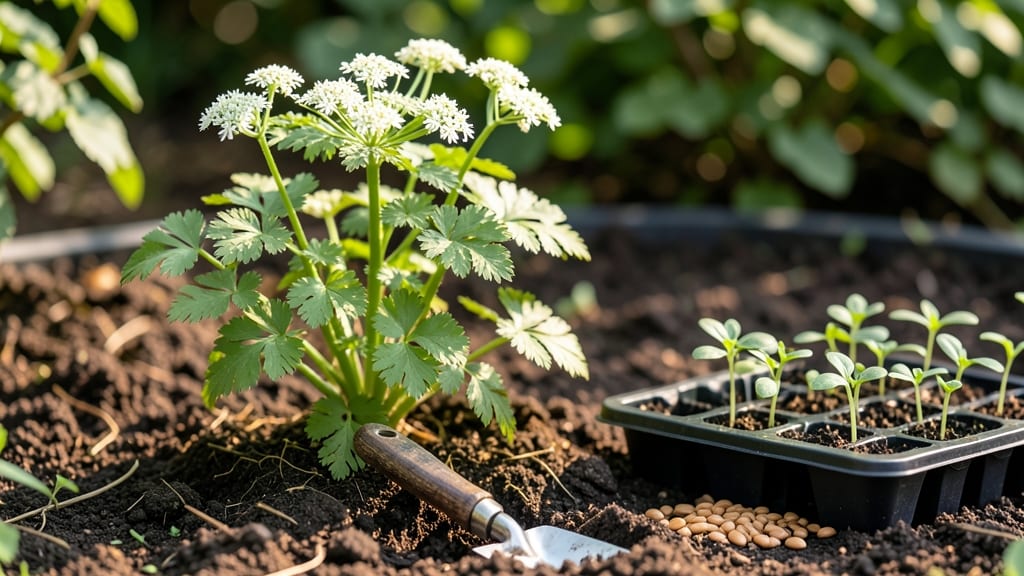
If you’ve ever planted cilantro in Southern California only to watch it bolt into flower within weeks, you’re not alone. The secret to growing lush, long-lasting cilantro 🌿 lies in timing—specifically, knowing when to plant it to avoid the region’s notorious heat spikes.
Unlike many crops, cilantro thrives in cooler weather, making fall and winter the sweet spot for Southern California gardeners. But with microclimates ranging from coastal breezes to inland heat, the exact timing can feel like a moving target.
Let’s break down the best months to plant and how to keep your cilantro happy from seed to harvest.
Whether you’re sowing directly or transplanting seedlings, the goal is simple: beat the heat and prevent bolting. I’ll share the exact planting windows, soil prep tips, and even companion plants that help cilantro stay fresh longer. Ready to grow cilantro that lasts?
From coastal Santa Barbara to inland Riverside, the rules are different—and I’ve got the specifics. Plus, we’ll tackle the biggest mistake most SoCal gardeners make when planting cilantro, so you can skip the frustration and enjoy a steady harvest all season.
Best planting months for cilantro in Southern California (avoid bolting)
Southern California’s mild winters and long growing season make cilantro a year-round possibility, but timing is everything to avoid bolting. The ideal window spans from late summer through spring, with peak success between September and May.
This aligns with cooler temperatures and lower light intensity, both critical for preventing cilantro from flowering prematurely.
Inland areas like Riverside or San Bernardino face hotter summers, so focus on planting cilantro between October and March. Coastal regions like Santa Barbara or San Diego can extend planting into April and even early May, thanks to marine layer cooling.
The key is to avoid soil temperatures above 75°F, which triggers bolting within days.
| Month | Coastal SoCal | Inland SoCal | Bolting Risk |
|---|---|---|---|
| September | ✅ Excellent | ✅ Excellent | Low (60°F avg) |
| October | ✅ Excellent | ✅ Excellent | Low (65°F avg) |
| November | ✅ Excellent | ✅ Excellent | Very Low (60°F avg) |
| December | ✅ Excellent | ✅ Excellent | None (55°F avg) |
| January | ✅ Excellent | ✅ Excellent | None (58°F avg) |
| February | ✅ Excellent | ✅ Excellent | Low (60°F avg) |
| March | ✅ Excellent | ✅ Good (early) | Moderate (65°F avg) |
| April | ⚠️ Possible (late) | ❌ Risky | High (70°F avg) |
| May | ❌ Risky (coastal only) | ❌ Very High | Very High (75°F+ avg) |
*Bolting risk based on average daytime soil temps in Southern California
For coastal gardeners, late summer planting (August-September) works because marine layer clouds create natural shade. Inland gardeners should wait until October to avoid the 100°F+ heat waves that make cilantro bolt within 10 days.
Even in cooler months, watch for sudden heat spikes—especially in April and May—and use shade cloth if temperatures climb above 70°F.
Pro tip: Use a soil thermometer to monitor temperatures. Cilantro bolts when soil temps exceed 75°F for 3+ days. If you’re planting in containers, they’ll heat up faster than in-ground beds, so move pots to shaded areas during peak afternoon sun.
Another critical factor is day length. Cilantro is a short-day plant, meaning it bolts when days get too long (typically after March 20). To extend your harvest, succession plant every 2-3 weeks from September through February.
This ensures a steady supply of fresh leaves without waiting for the next planting cycle.
Don’t overlook microclimates within your region. A backyard in Pasadena might experience 10°F warmer soil temps than one in Malibu. Observe your garden’s specific conditions for at least a week before planting to identify heat pockets or shaded spots that could influence cilantro’s growth.
Finally, remember that cilantro is bienn
Best planting months for cilantro in Southern California (avoid bolting)
Southern California’s mild winters and hot summers create a tricky balance for growing cilantro. The ideal planting window spans from late summer to early spring, but timing varies by microclimate.
Coastal areas like Santa Barbara can plant as late as November, while inland regions should start by September to avoid summer heat.
Cilantro bolts (goes to seed) when temperatures exceed 75°F consistently. In SoCal, this means May through September is risky for most areas. The safest months are October through March, when daytime highs stay below 70°F. Even then, coastal breezes can extend your harvest into April.
Here’s how to match your location to the perfect planting window:
For coastal gardeners, cilantro can handle April plantings if you use 50% shade cloth and water deeply in the morning. Inland areas should avoid planting after March—the heat will bolt your crop within 2-3 weeks.
Pro tip: Use a soil thermometer to monitor temperatures; cilantro thrives when soil stays below 65°F.
If you’re in USDA Zone 10b or 11 (like Palm Springs), cilantro is nearly impossible to grow in summer. Instead, focus on fall and winter harvests and use container gardening to move pots into shade during heat waves. Even a 10°F drop in nighttime temps can reset bolting risks.
Remember: Succession planting every 2-3 weeks from September through January ensures a continuous harvest. For example, plant one batch in late September, another in October, and a final one in November—this way, you’ll always have fresh cilantro ready for your kitchen. 🌱