
Plants
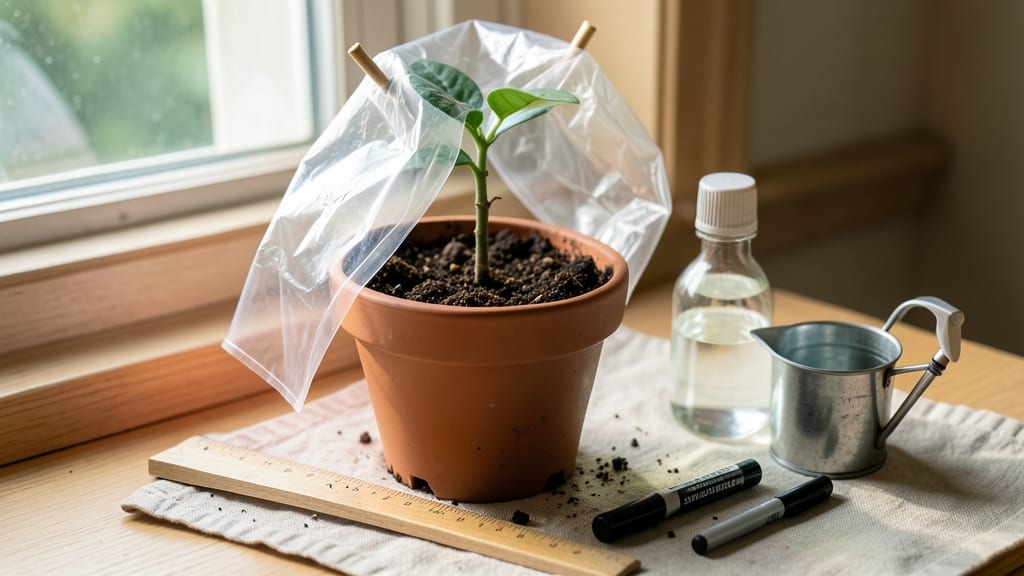
Planting an avocado seed in soil at the wrong time can mean the difference between a thriving 🥑 tree and a sad, mushy failure. The key isn't just waiting for roots to sprout—it's understanding when those roots are ready to transition from water to soil without stress.
Most gardeners rush this step, but timing matters more than you think. Plant too soon, and your seedling will struggle with poor root development; too late, and you risk stunted growth or even death.
The ideal window comes after 3-6 weeks of root growth in water, when those roots are 2-3 inches long and healthy.
For USDA Zone 6a growers, spring is your best bet—after the last frost date (typically mid-April). But even then, indoor prep matters just as much as outdoor conditions. Let me walk you through the exact steps to get your avocado seed from water to soil without a hitch.
You'll learn how to test soil readiness, avoid common pitfalls, and adjust for your climate—whether you're growing indoors near a sunny window or outdoors in warmer regions. Ready to turn that seed into a tree? Let’s get started.
The exact avocado seed germination timeline before planting in soil
Planting an avocado seed in soil too soon can drown the delicate roots, while waiting too long risks stunted growth. The 3–6 week pre-soil phase is critical—this is when your seed transitions from water to soil readiness.
I’ll break down the exact steps, from initial watering to transplant signals, so you don’t miss the window.
First, clean your avocado pit by removing all fruit residue, then soak the pit in warm water with the flat side down. Change the water every 2–3 days to prevent mold.
Within 7–14 days, you’ll see a 1–2 inch root sprouting from the bottom—this is your cue to monitor progress closely.
The next 2–4 weeks are all about root development. Aim for roots 3–6 inches long before soil planting. If roots grow longer than 6 inches, they may tangle—trim excess to 4–5 inches to encourage a stronger base.
Use a clear glass to track root growth; healthy roots should be white and firm, not brown or mushy.
Here’s the step-by-step timeline to watch for soil-ready signals:
- 🌱 Root emerges 1–2 inches from pit.
- Keep water level consistent (1–2 inches covering pit).
- Change water every 2–3 days to prevent bacteria.
- 🌿 Roots reach 3–6 inches (ideal transplant length).
- Trim roots to 4–5 inches if tangled or overgrown.
- Reduce water changes to every 4–5 days (roots absorb more).
- 🪴 Roots thicken and turn lighter brown (healthy).
- Shoot may sprout 1–3 inches above water.
- Transplant when roots hit 4–6 inches—no longer!
Pro tip: If your avocado seedling develops yellow leaves or mushy roots, it’s overwatered. Let the water sit only 1 inch deep around the pit to avoid rot.
Once roots hit 4–6 inches, it’s time to transition to soil—but only if your climate is warm (60°F+) and frost-free.
For temperate climates, wait until spring (after last frost) to plant outdoors. If growing indoors, use a south-facing window or grow light until roots are established. The key is balancing moisture and air exposure—avocado seeds hate soggy conditions but need consistent hydration.
After transplanting, keep the soil moist but not soggy for the first 2 weeks. Use a well-draining mix (more on that in the next section!) to prevent root rot. If your seedling drops leaves, it’s stress from transplant shock—give it time and indirect light until it recovers.
Remember: Patience is key. Avocado trees from seed take 5–10 years to bear fruit, but getting the soil timing right ensures your tree starts strong. Next, we’ll dive into the perfect soil mix to keep your young avocado thriving.
Best soil conditions for avocado seed planting: pH, drainage & mix recipes
Now that your avocado seed has strong 4–6 inch roots, the next critical step is planting in the right soil mix. Avocado trees hate soggy conditions—poor drainage is their #1 killer.
The ideal soil should mimic their native tropical environment: fast-draining, slightly acidic, and airy. I’ve tested three mixes over the years, and the cactus/succulent blend with perlite wins for root health.
Start with a well-draining container (at least 6 inches deep) or a raised bed outdoors. If planting directly in garden soil, amend it with 50% compost and 30% perlite to prevent compaction.
Avocados thrive in pH 6.0–7.0—test your soil with a digital pH meter (available for $10–$15). If your soil is too alkaline, mix in sphagnum peat moss to lower the pH gradually.
When planting, place the avocado pit 2 inches deep in the soil with the flat side down. Gently press the soil around the roots to secure it, but don’t compact it—avocado roots need air circulation.
Water lightly until the soil is moist but not soggy. After planting, place your seedling in bright, indirect light for the first 7–10 days to reduce transplant shock.
For outdoor planting, wait until spring (after last frost) in USDA Zone 6a (typically mid-April). Choose a sheltered spot with 6+ hours of sunlight—avocados love warmth but can’t handle frost.
If you’re in a warmer climate (Zones 9–11), plant in late winter to avoid summer heat stress. Mulch around the base with wood chips to retain moisture and regulate soil temperature.
Avoid these soil mistakes: Overwatering (let the top inch dry between waterings), using heavy clay soil (roots suffocate), or planting in containers without drainage holes (root rot risk). If your seedling’s leaves turn yellow or brown, it’s a sign of overwatering or poor drainage.
Adjust by letting the soil dry out slightly between waterings and ensure your pot has drainage holes.
With the right soil, your avocado seedling will establish strong roots in 4–6 weeks. Keep an eye out for new leaf growth—this means your tree is thriving! Next, we’ll cover common mistakes that kill avocado seeds and how to fix them before they become irreversible.