
Plants
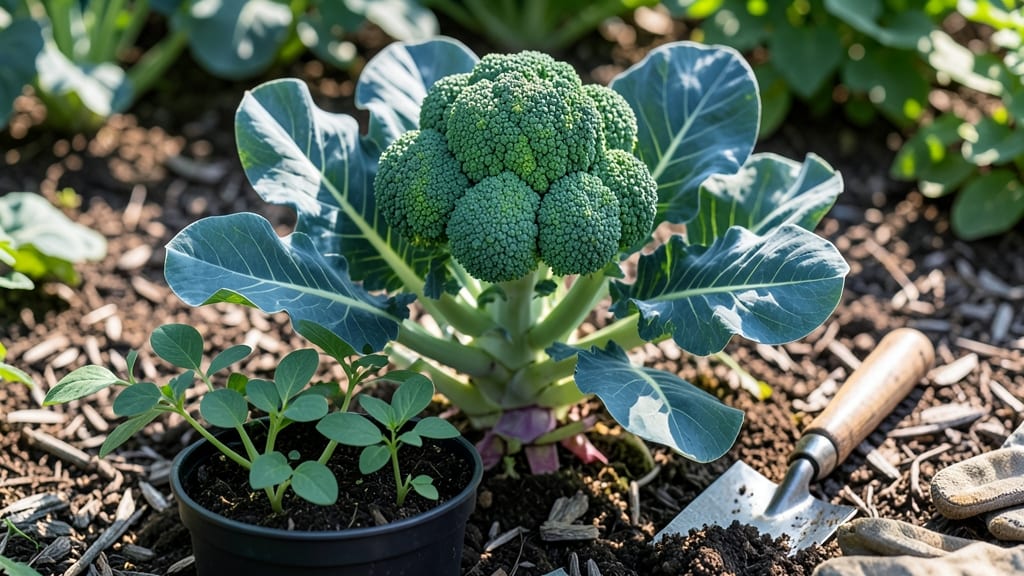
Timing your 🥦 broccoli planting in North Carolina could mean the difference between a bountiful harvest and bitter disappointment. The wrong window triggers bolting—when your plants shoot up flower stalks before you even get to eat them.
Here’s the secret: NC’s 7a-8b zones demand precision. Plant too early, and heat zaps your crop; too late, and frost steals your chance. I’ll break down the exact months to start seeds or transplants—plus how to stretch your growing season for two harvests a year.
Whether you’re a first-time gardener or a seasoned green thumb, these zone-specific tips will help you avoid common mistakes. We’re talking flavorful heads, not tough stalks, and no wasted effort.
Ready to master the art of broccoli timing? Let’s dive into the calendar that keeps your garden productive from spring through fall.
North Carolina broccoli planting calendar by USDA zone (avoid bolting)
North Carolina spans USDA Zones 5-8, creating unique challenges for broccoli growers. The key to success? Planting at the right time to avoid heat-induced bolting (when broccoli flowers prematurely). In warmer zones like Raleigh (Zone 7b-8a), summer planting is riskier than in cooler mountain regions like Asheville (Zone 7a).
Let’s break down the exact planting windows by zone to maximize your harvest.
Broccoli thrives in cool weather and struggles when temperatures exceed 80°F (27°C). That’s why I focus on two planting windows: early spring (before March 15) and late summer (after August 15).
These timelines align with North Carolina’s last and first frost dates, ensuring your plants mature before extreme heat or cold sets in.
Here’s your zone-specific planting calendar to avoid bolting and ensure head-sized broccoli:
| USDA Zone | Spring Planting Window | Fall Planting Window | Harvest Window | Key Tip |
|---|---|---|---|---|
| 5 (Mountains: Boone, Banner Elk) | March 1 - April 15 | August 1 - September 15 | May - June / Oct - Nov | Use row covers for extra frost protection. |
| 6 (Piedmont: Winston-Salem, Greensboro) | March 15 - April 30 | August 15 - September 30 | May - June / Oct - Nov | Plant in partial shade during summer. |
| 7a (Raleigh, Durham) | March 15 - April 15 | August 20 - September 15 | May - June / Oct - Nov | Avoid planting after April 30. |
| 7b-8a (Coastal: Wilmington, Fayetteville) | February 15 - March 15 | August 25 - September 10 | April - May / Oct - Nov | Prioritize fall planting for best results. |
| 8b (Southern tip: Lumberton) | February 1 - March 10 | August 30 - September 5 | April / Oct | Use shade cloth for summer plantings. |
For Zone 7a-8a (most of NC), I recommend fall planting as your primary strategy. Broccoli planted in late August or early September will mature by October-November, avoiding the brutal summer heat.
In Zone 5 (mountains), you can push into late September for a winter harvest, but use row covers to protect from frost.
Pro tip: Check your local last frost date using the NC State Extension’s frost calculator. For example, in Raleigh (Zone 7b), the average last frost is March 15, so I plant my spring broccoli by March 1 to ensure a 60-day maturity window before summer heat arrives.
If you’re in Zone 8b (southern NC), focus on fall planting only. Spring plantings in February risk bolting as temperatures rise by April. Instead, I plant Calabrese varieties in late August for a cool-season harvest before the first frost in mid-November.
Remember: Succession planting every 2-3 weeks in spring or fall ensures a continuous harvest. For example, in Zone 7a, I plant March 1, March 15, and April 1 to stagger my harvest from May through June.
Bolting is your worst enemy, and heat stress is the main culprit. By following these zone-specific windows, you’ll grow tight, flavorful heads instead of bitter flower stalks. Next, I’ll show you how to extend your broccoli season even further with cold-hardiness hacks.
🌱
North Carolina broccoli planting calendar by USDA zone (avoid bolting)
North Carolina’s USDA zones 7a-8b create a unique challenge for growing broccoli. The key is planting at the right time to avoid bolting—when heat or cold stress triggers flower production before you can harvest.
I’ve mapped out the exact windows for both spring and fall planting across NC’s zones, so you can plan for two harvests per year.
For spring planting, aim to sow seeds or set transplants 4-6 weeks before your last frost date. In NC, this typically means mid-March to early April in the mountains (zone 7a) and early March to mid-April in the Piedmont and coastal areas (zones 7b-8b).
This timing ensures your broccoli matures before summer heat sets in.
| Season | Zone 7a (Mountains) | Zone 7b (Piedmont) | Zone 8a-8b (Coastal) |
|---|---|---|---|
| Spring Planting | Mid-March to Early April | Early March to Mid-April | Late February to Early April |
| Fall Planting | Late July to Early August | Early August to Mid-August | Mid-July to Early September |
| Harvest Window | May to Early June | Late April to June | April to July |
| Key Tip | Use row covers for early spring | Succession plant every 2 weeks | Choose heat-tolerant varieties |
For fall planting, the goal is to sow seeds 90 days before your first frost date. In NC, this translates to late July to early September, depending on your zone.
Coastal areas (zone 8b) have the longest window, while mountain zones (7a) must plant earlier to avoid early frosts. Fall broccoli often produces sweeter, more tender heads than spring varieties.
One common mistake I see is planting broccoli too early in spring or too late in fall. In zone 7a, for example, planting before mid-March risks frost damage, while waiting until May means your plants will bolt before harvest.
Always check your local frost dates—the NC State Extension Service has tools to help with this.
Pro tip: If you’re in a warmer microclimate (like the coastal plain), consider planting a heat-tolerant variety in late summer for a fall harvest. Varieties like 'De Cicco' or 'Calabrese' handle NC’s summer heat better than standard types. Pair this with daily watering during heatwaves to keep your plants happy.
Remember, broccoli needs consistent moisture and cool temperatures to form heads. If your spring planting gets too hot too fast, your plants may bolt before you can harvest. That’s why fall planting is often more reliable in NC—cooler temps and shorter days help prevent bolting.