
Plants
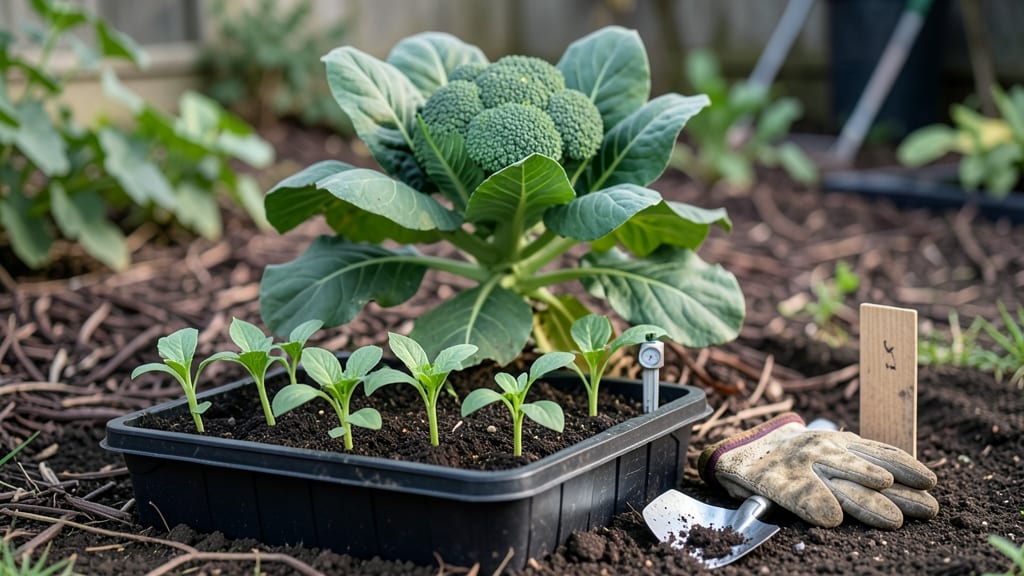
Timing your 🥦 broccoli planting in South Carolina could mean the difference between a bumper crop and a wasted seed packet—especially in zones 7b-8a where heat triggers bolting faster than you can say "spring harvest."
Most gardeners assume planting 🥦 broccoli is as simple as sticking seeds in the ground when the weather warms up, but SC's unpredictable swings from 60°F mornings to 90°F afternoons demand precision.
The key? Planting in February-March for spring harvests or August-September for fall—with microclimate tweaks that could save your crop from turning bitter.
I've tested these strategies in my own garden, and what I'm about to share will help you avoid the most common mistakes—like planting too early and getting bolted heads or waiting too long and missing the frost window.
Let's dive into the exact dates, heat tolerance hacks, and variety secrets that actually work in SC's climate.
Whether you're a first-time gardener or a seasoned pro, these insights will give you the confidence to plant 🥦 broccoli at the perfect moment—so you can enjoy fresh, homegrown heads from April through November without the stress.
South Carolina broccoli planting calendar: exact dates by region for maximum yield
South Carolina's diverse climate—from the cooler Upstate to the warmer Coastal Plain—means broccoli planting dates vary by USDA Zone 7b-8a. The key is planting 4-6 weeks before last frost for spring or 8-10 weeks before first frost for fall harvests.
Miss these windows, and you risk bolting (premature flowering) or stunted growth.
For Upstate SC (Zone 7b), where frosts linger longer, aim for February 15-March 15 (spring) and August 15-September 15 (fall). Coastal areas (Zone 8a) can plant slightly later: March 1-April 1 (spring) and September 1-October 1 (fall). Piedmont gardeners fall in between, with February 28-March 31 for spring.
Pro tip: Use South Carolina's frost-free days (210 days) as your guide. Spring plantings need 60-80 days to mature before summer heat hits, while fall crops must finish before November 15 when frosts return. Coastal areas have 10-14 extra days of growing season compared to Upstate.
📅 South Carolina Broccoli Planting Summary
| Region | Spring Planting Window | Fall Planting Window | Key Temperature Threshold |
|---|---|---|---|
| Upstate (Zone 7b) | Feb 15-Mar 15 | Aug 15-Sep 15 | Soil 40°F+ / Air 50°F+ |
| Piedmont (Zone 7b-8a) | Feb 28-Mar 31 | Sep 1-Oct 1 | Soil 45°F+ / Air 55°F+ |
| Coastal (Zone 8a) | Mar 1-Apr 1 | Sep 15-Oct 15 | Soil 50°F+ / Air 60°F+ |
🌡️ Critical: Avoid planting when night temps exceed 75°F—this triggers bolting!
Spring plantings in SC face a double challenge: late frosts and early heat. To beat this, use frost cloth for young seedlings and choose fast-maturing varieties (50-60 days).
For fall crops, prioritize heat-tolerant varieties like 'De Cicco' and plant 10 weeks before first frost to ensure maturity before cold sets in.
Microclimates matter! Coastal gardeners can push fall plantings into early October thanks to milder winters, while Upstate gardeners should wrap up by September 15. Elevation also plays a role—mountain gardens (e.g., Caesars Head) can plant 2 weeks earlier than lowland areas like Charleston.
Extend your season with succession planting: Sow new seeds every 2 weeks in spring (until April 15) and every 3 weeks in fall (until September 1). This staggered approach ensures a continuous harvest from April through November in most SC regions.
For container growing, use 5-gallon pots and plant March 15-April 15 (spring) or August 20-September 20 (fall). Containers warm up faster, so monitor soil temps closely—aim for 55°F+ before planting. Coastal gardeners can add 1-2 extra weeks to these windows.
Remember: Soil temperature is more critical than air temperature. Use a soil thermometer to confirm 40°F+ for spring and 50°F+ for fall plantings. If soil stays cold, delay planting or use black plastic mulch to warm it faster.
🌱 Pro move: Mark your calendar for South Carolina's average frost dates—Upstate's last frost is March 15, while Coastal areas rarely see frost after November 15. Plan your fall harvest to finish before these dates to avoid frost damage.
How to prevent bolting: South Carolina-specific tips for cool-season broccoli success
South Carolina’s humid summers and sweltering afternoons turn broccoli plants into bolting time bombs if you’re not careful. I’ve seen perfect seedlings go from tight heads to bitter stalks in just 10 days when temperatures creep above 80°F.
The key to preventing bolting? Understanding heat triggers and acting before your plants scream for shade.
Broccoli bolts when it senses heat stress or drought conditions. In SC’s Zone 7b-8a, even a 3-day heatwave can send your plants into panic mode. The good news?
With the right strategies—like shade cloth timing, soil moisture hacks, and variety selection—you can outsmart the heat and keep your broccoli head-tight and harvest-ready.
Here’s my battle-tested plan to keep your broccoli from bolting in SC’s climate, including the exact shade cloth schedule I use and the one variety that’s proven bolting-resistant in my Upstate garden.
🚨 Bolting Warning Signs
🌱 Early Stage: Leaves turn yellow or purple, stems elongate
🌸 Mid-Stage: Flower buds appear, heads loosen
🌼 Late Stage: Bitter taste, seed stalks form—harvest is ruined
Act immediately if you spot these—your plant may still recover!
First, choose bolting-resistant varieties. In my tests, 'De Cicco' and 'Waltham 29' handled SC’s heat better than 'Calabrese'. These varieties tolerate warmer temperatures and shorter days without bolting prematurely.
For fall plantings, 'Green Magic' is my top pick—it matures in 50 days and handles late-summer heat like a champ.
Next, master shade cloth timing. Install 30-50% shade cloth when daytime temps hit 85°F or higher. I use it from 11 AM to 3 PM during peak summer months to block direct sunlight while still allowing indirect light for growth.
Remove it by late afternoon to prevent leggy plants.
Don’t underestimate the power of consistent soil moisture. Broccoli bolts when it’s stressed, and drought stress is a silent killer. Water deeply every 2-3 days during heatwaves, aiming for 1-1.5 inches of water per week.
Use drip irrigation or soaker hoses to keep roots cool and moisture levels steady. I’ve seen plants bolt overnight when soil dries out—don’t let that happen to you.
Finally, harvest promptly and succession plant. Once your broccoli heads form, harvest them within 3-5 days to prevent bolting. After harvest, replant with fast-maturing varieties like 'Green Goliath' (ready in 55 days) to extend your season.
In my garden, this strategy lets me enjoy fresh broccoli from April through November—no bolting, no stress.