
Plants
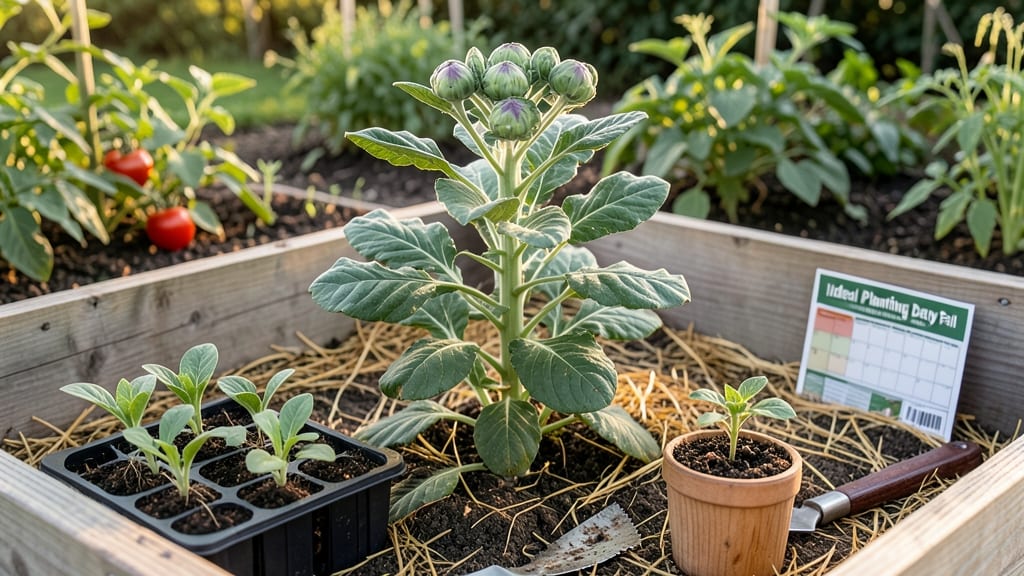
Planning to plant brussel sprouts in Virginia? The difference between a bumper crop and a bitter disappointment often comes down to one critical factor: timing. Plant them too early, and you’ll risk bolting before harvest. Too late, and your sprouts won’t mature before frost.
For Virginia gardeners in zones 7a-8a, nailing the mid-March to early April window—or the August to September fall slot—is the secret to sweet, tender 🥦 all winter long.
I’ve seen firsthand how microclimates across Virginia—from the milder coastal areas to the cooler Blue Ridge—can shift your ideal planting dates by weeks. A late frost in Richmond might ruin a spring crop, while Roanoke’s earlier chills could extend your fall harvest.
The key? Knowing your last frost date and adjusting for your specific corner of the state. Let’s break down the exact windows that work—and how to avoid common mistakes that lead to wasted effort.
What if you missed the spring window? No problem. Fall planting is your backup plan, and with the right techniques, you can harvest January through March—just in time for hearty winter meals.
I’ll share how to extend your growing season using row covers and other tricks that actually work in Virginia’s climate. Ready to turn your garden into a year-round brussel sprout powerhouse?
Whether you’re a first-time gardener or a seasoned pro, this guide cuts through the guesswork. You’ll learn how to calculate your frost dates, choose the perfect planting window, and even troubleshoot bolting before it starts.
Let’s get those 🥦 growing the right way—so you can enjoy a harvest that’s worth the wait.
Virginia’s ideal planting windows for brussel sprouts (avoid bolting!)
Brussel sprouts love Virginia’s cool fall temperatures, but timing is critical to avoid bitter bolting. In USDA zones 7a-8a, the sweet spot is planting 8-10 weeks before frost—typically mid-March to early April for spring crops and August to early September for fall harvests.
Miss these windows, and you’ll risk heat-induced bolting or stunted growth from late frosts.
Virginia’s diverse regions—from the cooler Blue Ridge to the warmer Piedmont—require slight adjustments. For example, Roanoke’s last frost often lands around April 15, while Norfolk’s coastal area may see frost as late as April 25.
Use the USDA Plant Hardiness Zone Map to pinpoint your exact last-frost date and calculate your planting window.
Direct-sowing seeds is ideal, but transplants work too if started indoors 4-6 weeks before your target outdoor date. For fall harvests, aim for August 15–September 1—this gives plants enough time to mature before first frosts in November.
In spring, plant March 15–April 1 for a summer harvest, though flavor peaks in cooler weather.
| Region | Spring Planting Window | Fall Planting Window | Last Frost Date | Harvest Time |
|---|---|---|---|---|
| Coastal (Norfolk) | March 20–April 5 | August 1–15 | April 25 | October–December |
| Piedmont (Richmond) | March 15–March 30 | August 10–25 | April 15 | September–November |
| Blue Ridge (Roanoke) | March 1–March 15 | July 30–August 10 | April 10 | September–October |
| Shenandoah Valley (Staunton) | February 28–March 10 | July 20–July 31 | April 5 | August–September |
For direct-sown seeds, wait until soil temps hit 45°F—use a soil thermometer to check. In warmer zones (8a), like Southside Virginia, plant 7-8 weeks before frost to avoid heat stress. Pro tip: Shade cloth can buy you 1-2 extra weeks in hot spells.
If you’re transplanting seedlings, harden them off for 7-10 days before moving outdoors. Acclimate gradually to sun and wind to prevent shock. For fall crops, prioritize slow-maturing varieties like ‘Long Island Improved’ or ‘Hudson’, which tolerate cooler temps better than ‘Jade Cross’.
Watch for false starts: A late April frost can delay growth, so have row covers ready. In spring, focus on soil warmth—brussel sprouts won’t sprout in cold soil. Use black plastic mulch to warm beds 5-10°F faster than bare soil.
Remember: Frost sweetens brussel sprouts, but a hard freeze ruins them. Time your final harvest for 2-3 weeks before the first expected frost. In Zone 7a, that’s usually late October to early November for fall-planted crops.
For year-round success, plan two plantings: spring for summer and fall for winter. Succession plant every 2-3 weeks in fall to stagger harvests. This ensures a continuous supply from October through March.
🌱
How to extend your brussel sprout season in Virginia (cold-hardy hacks)
Virginia’s variable climate means you can grow brussel sprouts nearly year-round—if you know the tricks. While the ideal windows are spring and fall, I’ve learned how to push those limits with row covers, succession planting, and strategic frost protection.
The key? Understanding how to leverage Virginia’s microclimates to your advantage, whether you’re in the cooler Shenandoah Valley or the warmer Hampton Roads.
For fall harvests, plant in August to early September—this gives you 90-100 days to maturity before winter sets in. But if you’re craving winter sprouts, use floating row covers to shield plants from light frosts (down to 20°F).
I’ve seen gardeners in Zone 7a extend harvests until March using this method, with sweeter, less bitter sprouts as a reward.
Want to grow brussel sprouts in summer? Try succession planting every 2 weeks from June to July. The heat won’t bolt them as easily as it does other cool-season crops, and you’ll get a continuous harvest through September.
Just mulch heavily to keep roots cool and water deeply every 3 days during dry spells.
Use floating row covers to protect plants from light frosts (20–25°F). Remove covers during daytime warmth to prevent overheating.
Plant every 2 weeks from June to July for a continuous harvest through September. Choose heat-tolerant varieties like 'Long Island Improved'.
Apply 4–6 inches of straw mulch to keep roots cool in summer and insulated in winter. Replenish after heavy rains.
Start seedlings in a cold frame in late February for an earlier spring harvest. Transplant after last frost (typically mid-April).
Apply a light fertilizer (10-10-10) 6 weeks before first frost to boost sprout development. Avoid nitrogen-heavy feeds late in the season.
Don’t overlook container gardening—it’s a game-changer for urban Virginia gardeners. Use 5-gallon pots with well-draining soil and place them on patio heaters during cold snaps. I’ve grown brussel sprouts in containers on my Richmond balcony through December using this setup, with zero bolting and great flavor.
Pro tip: If you’re in Zone 8a (like Norfolk or Charlottesville), you can plant a second fall crop in October for a late-winter harvest.
Just choose compact varieties like 'Ruby Ball' and protect with row covers during hard frosts. The sweetest sprouts often come from winter-grown plants!
Ready to turn your Virginia garden into a year-round brussel sprout factory? Start with one of these hacks, and you’ll be harvesting homegrown sprouts from October to March—no greenhouse required. 🥦