
Plants
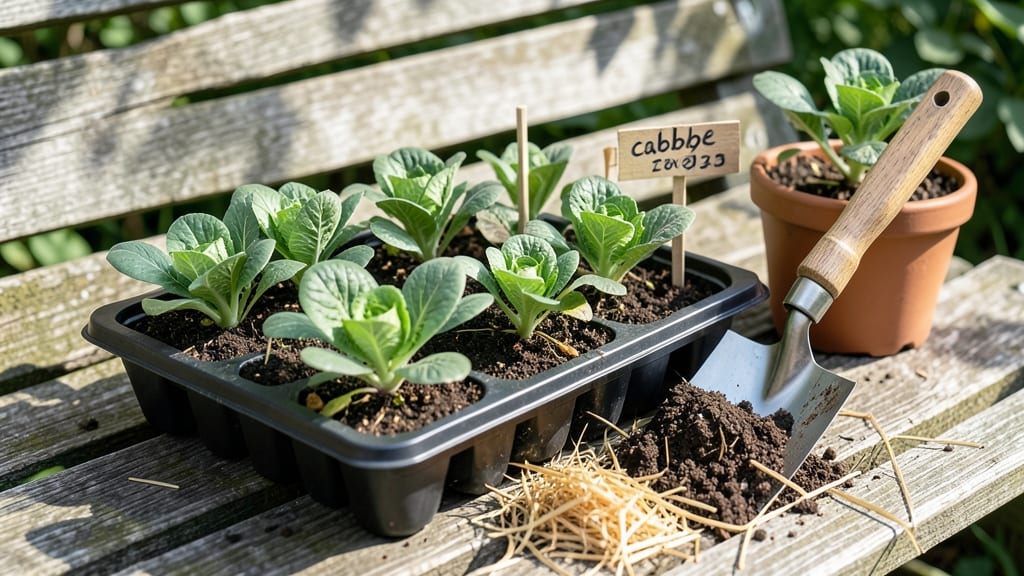
If you've ever planted cabbage 🥬 in Zone 9 only to watch it bolt into bitter flowers before forming a head, you're not alone. The key to success lies in understanding the perfect timing for your climate's unique conditions.
In Zone 9 (think Southern California, Arizona, or Nevada), the cool-season windows between October-November and February-March are your golden opportunities. Planting at the wrong time means dealing with heat stress, which triggers that dreaded bolting we all want to avoid.
I've grown cabbage in this exact zone for years, and what I'm about to share will help you avoid common mistakes. You'll learn exactly when to plant for crisp, sweet heads and how to extend your harvest season.
Let's dive into the precise timing and strategies that will transform your cabbage growing from frustrating to foolproof. Your garden's about to get a whole lot tastier!
Ideal planting windows for cabbage in Zone 9 (avoiding bolting)
Zone 9’s warm climate makes timing critical for cabbage success. Planting too early in summer triggers bolting (premature flowering), while late spring plantings often struggle with heat stress. The key is targeting cool-season windows when daytime temps stay between 60-75°F.
For most Zone 9 gardeners, the two best planting periods are fall (October-November) and winter/spring (February-March). These windows align with natural temperature drops, giving cabbage the ideal conditions to grow without bolting. Let’s break down each window with exact timing and prep steps.
| Stage | Action | Temperature Range (°F) | Notes |
|---|---|---|---|
| Late Summer Prep | Soil test & amend | 75-90°F | Add compost for cooler roots |
| Fall Planting | Direct seed or transplant | 60-75°F | October-November (avoid Dec frost) |
| Winter Care | Mulch & monitor | 45-65°F | Protect from light frost |
| Spring Planting | Transplant seedlings | 55-70°F | February-March (before heat) |
| Harvest | Pick firm heads | 50-75°F | January-April (fall) or May-July (spring) |
Your fall planting window runs from mid-October to early November in Zone 9. This aligns with cooling temperatures and gives plants 60-80 days to mature before winter slows growth. Start with transplants (not seeds) for faster results—seedlings need 2-3 weeks to establish before cold sets in.
For spring plantings, aim for late February to early March. By this time, daytime highs typically drop below 75°F, reducing bolting risk. Use shade cloth (30-50%) if planting in March to protect young plants from sudden heat spikes.
Zone 9’s microclimates matter—coastal areas stay cooler longer than inland desert zones. In Southern California, you might push fall planting to mid-November, while Arizona’s shorter winters limit spring plantings to January-February.
Always check your local frost dates—most Zone 9 areas average their last frost around December 15.
Pro tip: Stagger plantings every 2-3 weeks within each window. This ensures a continuous harvest rather than one big crop. For example, plant half your cabbage in late October and the rest in mid-November—you’ll harvest the first batch in January and the second in February.
If you miss these windows, don’t despair—late winter plantings (January) can work with heavy mulch and drip irrigation to keep roots cool. Just expect smaller heads or slower growth. The trade-off? Avoiding bolting entirely is worth the timing precision.
Remember: Soil temperature matters as much as air temperature. Cabbage roots thrive in 50-65°F soil. Use a soil thermometer to confirm readiness—planting when soil hits 60°F ensures strong root development and head formation.
For container growing in Zone 9, fall is your only reliable option. Pots heat up faster, so use black fabric pots (they absorb heat) and move containers to shaded areas during peak afternoon sun. Spring container plantings require daily watering and afternoon shade to prevent stress.
Bolting is your biggest enemy in Zone 9. The moment your cabbage senses consistent temps above 80°F, it’ll send up a flower stalk—turning your crisp heads into bitter, inedible stalks. That’s why
Ideal planting windows for cabbage in Zone 9 (avoiding bolting)
Zone 9's warm climate makes timing critical for growing cabbage 🥬. The perfect windows are October-November for fall crops and February-March for spring. These months keep soil temps between 60-75°F, preventing the heat stress that triggers bolting.
Fall planting is my top recommendation. Start seeds indoors 6-8 weeks before your first frost (typically mid-November in Zone 9). Transplant seedlings outdoors in late September to early October when daytime temps drop below 80°F.
Spring planting requires patience. Wait until February when soil temps stabilize below 70°F. Planting too early risks heat stress, while waiting too long may delay harvests until summer's peak heat.
📅 Zone 9 Cabbage Planting Timeline
| Season | Planting Window | Soil Temp | Days to Maturity |
|---|---|---|---|
| Fall | Late Sept - Early Oct | 60-75°F | 60-80 days |
| Spring | Feb - Early March | 60-70°F | 70-90 days |
| Winter | Not Recommended | Below 55°F | N/A |
| Summer | Avoid | Above 80°F | Bolting risk |
💡 Pro Tip: Use shade cloth (30-50%) during summer months to protect seedlings if you must start early.
For staggered harvests, I recommend planting two successive crops: one in late September and another in early October. This ensures you have fresh cabbage from December through April without gaps.
Always check your local microclimate. Coastal areas like San Diego can handle slightly later plantings, while inland desert regions should plant 2-3 weeks earlier to beat the summer heat.
Remember: Cool nights (below 70°F) are just as important as daytime temps. Use a soil thermometer to verify conditions before planting - this simple tool has saved my cabbage crops from bolting multiple times.