
Plants
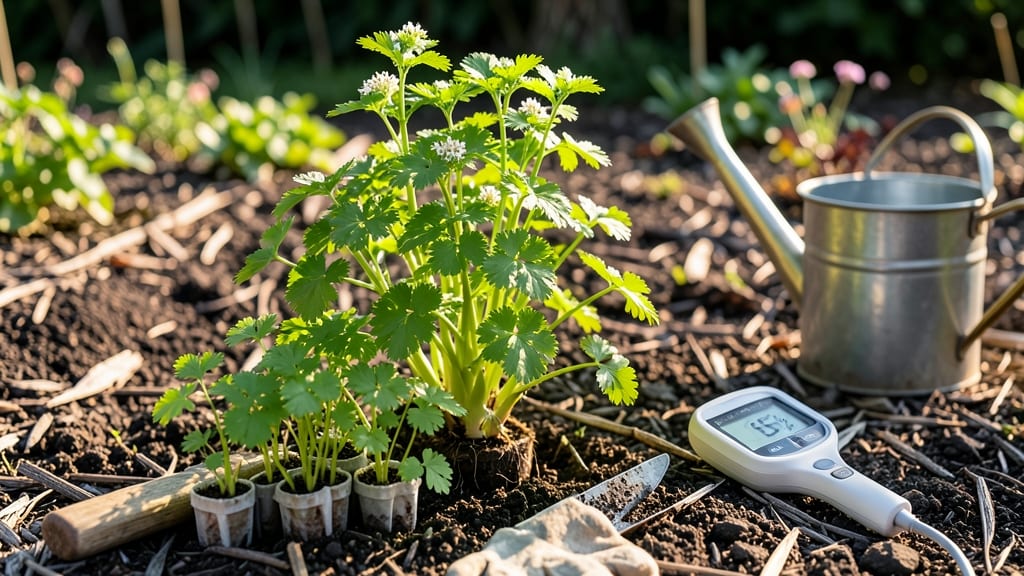
If you’ve ever planted cilantro in Florida only to watch it bolt into bitter flowers before you can use it, you’re not alone. The key to success isn’t just when you plant—it’s understanding how Florida’s unique climate plays tricks on this cool-weather herb.
Unlike northern gardeners who wait for spring, Florida’s year-round growing season means cilantro can thrive in fall, winter, and even early spring—but summer? That’s a different story.
The heat and humidity here trigger bolting faster than you can say “taco night,” but with the right timing and a few smart tricks, you can keep your 🌿 cilantro fresh for months.
I’ve tested planting schedules across Florida’s zones 9a-11, and the difference between a lush harvest and a sad, wilted plant comes down to three critical months. Let me show you exactly when to start seeds for peak flavor—and how to stretch your harvest through summer without the bitterness.
Ready to grow cilantro that stays fresh, flavorful, and ready to harvest? Let’s dive into the perfect planting window and the secrets that keep Florida gardeners harvesting all year.
Best Florida months to plant cilantro for maximum harvest (and avoid bolting)
Florida’s climate is unique—warm winters and long summers mean cilantro thrives in seasons most gardeners overlook. Unlike northern climates, you can grow cilantro year-round, but the ideal planting months are September through March when temperatures stay mild.
These months align with Florida’s cool season, where your cilantro won’t bolt prematurely into flower stalks.
In North Florida (Zones 8a-9a), like Jacksonville or Tallahassee, cilantro can handle cooler winter temps, but South Florida (Zones 10a-11), such as Miami or Fort Lauderdale, offers even more flexibility.
Here, cilantro grows well year-round with shade protection, but peak harvests still occur in fall and winter.
Here’s the key: Plant cilantro seeds every 2-3 weeks from September to March for a continuous harvest. This succession planting strategy ensures you always have fresh leaves, even as older plants bolt.
Avoid planting in late spring or summer unless you’re using shade cloth, as temperatures above 80°F trigger bolting within weeks.
🌱
| Florida Climate Zone | Best Planting Months | Key Tips |
|---|---|---|
| North Florida (8a-9a) | September–March | Use row covers in December/January for frost protection (rare but possible). |
| Central Florida (9b-10a) | August–April | Plant in partial shade during summer months to delay bolting. |
| South Florida (10b-11) | Year-round (with shade) | Use 30-50% shade cloth in summer; harvest frequently to encourage regrowth. |
| All Zones | April–May (with shade) | Plant in containers with afternoon shade; expect slower growth but fewer bolting issues. |
For fall planting, start seeds in late August or early September to give them time to establish before temperatures drop. In winter, cilantro grows slowly but steadily, making it perfect for holiday cooking.
By late winter (February–March), you’ll have your most robust harvest before summer heat arrives.
If you’re in South Florida, don’t fear summer planting—just provide shade and water deeply twice daily. I’ve grown cilantro in Miami’s heat using 50% shade cloth and harvested leaves for months without bolting. The trick is consistent moisture and avoiding afternoon sun.
One mistake I see often? Planting cilantro too late in spring (April–May) without shade. By June, your plants will bolt within 2-3 weeks if left in full sun. Instead, plant successionally in April with afternoon shade to extend your harvest into early summer.
💧
Pro tip: Use slow-bolting varieties like ‘Santo’ or ‘Calypso’ for longer harvest windows. These varieties tolerate slightly higher temps than standard cilantro, giving you 2-4 extra weeks of growth before bolting. Pair them with consistent watering and partial shade for best results.
Finally, remember that cilantro is a cool-season crop, but Florida’s mild winters make it possible to grow year-round with the right strategies. By following these exact planting months and climate-specific tips, you’ll avoid the heartbreak of bolting and enjoy fresh cilantro all season long.
Why Florida’s heat and humidity cause cilantro to bolt (and how to stop it)
Florida’s warm winters and humid summers create the perfect storm for cilantro bolting—those bitter flower stalks that ruin your harvest. Unlike cooler climates where cilantro thrives, Florida’s consistent temperatures above 70°F trigger the plant’s natural defense mechanism: bolting.
This happens when cilantro senses long daylight hours or heat stress, shifting energy from leaves to seeds.
The real culprit? Photoperiod sensitivity. Cilantro evolved in Mediterranean climates with short days and cool nights. In Florida, our 11-hour daylight in summer (and even 10.5 hours in winter) tricks it into thinking it’s time to reproduce.
Add 90°F+ soil temperatures, and you’ve got a recipe for rapid bolting—often within 3-4 weeks of planting.
🌱
Florida’s long summer days (11+ hours) trigger bolting.
30-50% shade reduces light exposure by 2-3 hours.
Heat stress accelerates bolting within 2-3 weeks.
Soil cools faster in pots; move to shade during heatwaves.
Even brief dry spells signal bolting.
Keep soil consistently moist (1-2 inches deep).
Some varieties bolt faster (e.g., ‘Leisure’ bolts in 4 weeks).
‘Santo’ or ‘Calypso’ delay bolting by 2-3 weeks.
Here’s the kicker: even Florida’s mild winters (like January’s 60°F average) can cause bolting if you plant too early. The key is succession planting—sowing new seeds every 2-3 weeks from September through March to stagger harvests and avoid the worst heat.
For example, seeds planted in early September might bolt by November, but a second planting in late October could thrive through December.
Pro tip: Pair cilantro with basil or beans to create microclimates. Basil’s shade reduces light exposure, while beans fix nitrogen in the soil, giving your cilantro a nutrient boost to fight stress.
And if you’re determined to grow cilantro in summer? Morning harvests are your friend—cilantro bolts fastest in the afternoon heat, so pick leaves before 10 AM to reset growth cycles.
☀️