
Plants
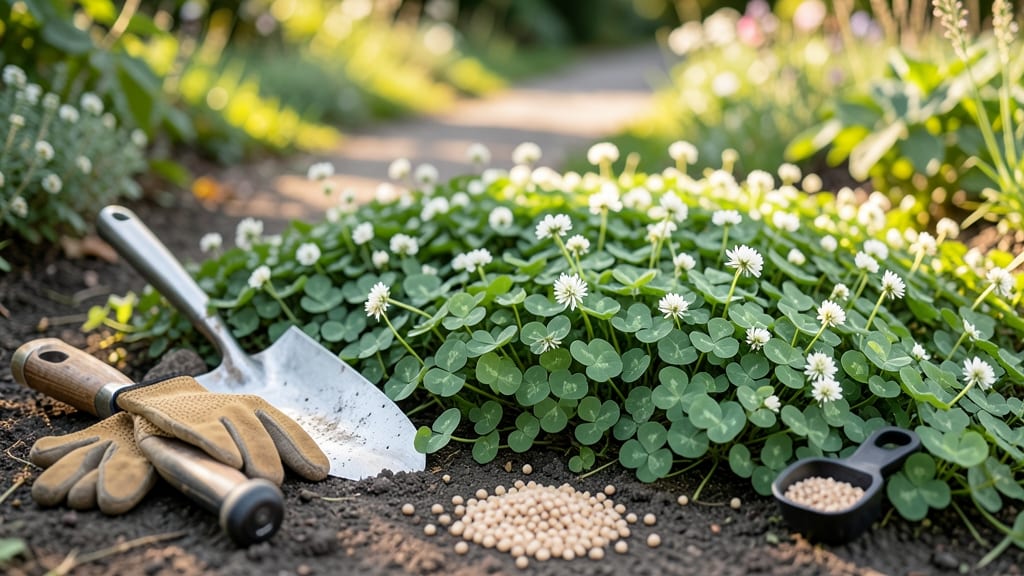
If you're planting clover in Louisiana, timing is everything—get it wrong, and you'll end up with patchy growth or weeds taking over instead. Louisiana's unique mix of heat, humidity, and regional microclimates means what works in New Orleans might fail in Shreveport.
The key? Planting during those ideal fall months when soil temperatures drop below 80°F—typically between September and November.
Why does this matter? Clover thrives in cooler weather, establishing strong roots before winter sets in. Skipping this window risks struggling with heat stress or uneven germination.
Whether you're growing white clover for soil health or red clover for forage, understanding your local microclimate will make all the difference in creating that lush, low-maintenance ground cover you’re after.
Let’s break down the best planting windows for your specific Louisiana zone—whether you’re in the humid coastal areas or the warmer inland regions. You’ll learn how to align your planting schedule with frost dates, soil conditions, and even companion plants to maximize success.
Ready to transform your yard or pasture into a thriving clover haven?
From avoiding common mistakes to choosing the right variety for your climate, this guide covers everything you need to know. Say goodbye to guesswork and hello to healthy, vibrant clover that keeps weeds at bay and enriches your soil naturally.
Louisiana clover planting calendar by microclimate zone
Louisiana’s diverse climate—from Shreveport’s cooler winters to New Orleans’ steamy summers—means clover planting windows vary dramatically by region. I’ve broken down the ideal months for each microclimate, so you can align your planting with local conditions and avoid common pitfalls like heat stress or early frost damage.
For North Louisiana (USDA Zones 7b-8a), like Bossier City or Monroe, cooler winters allow for earlier spring planting and later fall windows. Meanwhile, Central Louisiana (Zones 8a-8b), including Baton Rouge, demands precise timing to escape summer’s brutal heat.
Down south in South Louisiana (Zones 8b-9a), like Lafayette or Houma, humidity and mild winters extend your planting season—but watch for soil saturation after heavy rains.
Here’s how to match your location to the perfect planting window:
| Zone | Ideal Planting Months | Soil Temp Goal (°F) | Clover Variety | Key Tip |
|---|---|---|---|---|
| North Louisiana | Feb 15–Mar 15 Sep 1–Oct 15 |
55–75°F | Dutch White, Crimson | Avoid planting after April 1—summer heat kills seedlings. |
| Central Louisiana | Feb 28–Mar 31 Aug 15–Sep 30 |
60–78°F | Subterranean, Ladino | Use shade cloth if planting in late summer to reduce heat stress. |
| South Louisiana | Mar 1–Apr 15 Sep 15–Nov 15 |
65–80°F | Salt-Tolerant Mixes, White Clover | Test soil for salt content—coastal areas may need amended soil. |
Spring planting in Louisiana is a race against summer heat. Seedlings struggle when soil temps exceed 80°F, so aim to finish sowing by April 15 in North Louisiana and March 31 in Central/South zones.
For fall plantings, September and October are gold—cooler air and moist soil create ideal germination conditions. Pro tip: In humid South Louisiana, plant in light rain to reduce fungal risks.
If you’re growing clover as a cover crop, time your planting to 60–90 days before your target harvest window.
For example, plant subterranean clover in late August to establish roots before winter, then till it under in February to boost soil nitrogen for spring crops like tomatoes or peppers.
For lawn clover mixes, like Dutch white or microclover, prioritize September plantings—they’ll establish before winter rains and outcompete weeds. In North Louisiana, a late August seeding can still work if you irrigate lightly to keep soil moist until germination.
Regardless of your zone, avoid planting clover in Louisiana’s peak summer months (June–August). The combination of high heat, low humidity, and compacted soil creates a deadly trio for young seedlings. If you must plant in summer, use drip irrigation and a light mulch to retain moisture.
One final trick: In coastal areas, like Grand Isle or Morgan City, elevate seed beds to prevent waterlogging. Clover roots need oxygen, and soggy soil can lead to root rot or fungal diseases like powdery mildew.
🌱
Louisiana clover planting calendar by microclimate zone
Louisiana’s climate varies dramatically from North Louisiana’s cooler winters to South Louisiana’s humid coastal areas, so planting times must adapt. For North Louisiana (USDA Zones 7b-8a), aim for late August through October—this gives clover time to establish before the first frost around December 1.
In Central Louisiana (Zones 8a-8b), focus on September to early November, while South Louisiana (Zones 9a-9b) can extend planting until mid-November thanks to milder winters.
Spring planting is also viable in February and March, but avoid planting after March 15—summer heat will stress young clover plants. The key is soil temperatures below 80°F; use a soil thermometer to confirm.
For white clover varieties, like Dutch white, fall planting is ideal, while red clover (like crimson) can handle slightly later spring plantings due to its faster growth.
Here’s a detailed breakdown of the best planting windows for each Louisiana region, including variety-specific recommendations:
Louisiana Clover Planting Guide by Region
| Region | Best Planting Window | Varieties | Soil Temp Goal |
|---|---|---|---|
| North Louisiana (Shreveport, Natchitoches) | Late August–October | Dutch white, crimson | Below 80°F |
| Central Louisiana (Alexandria, Baton Rouge) | September–Early November | Subterranean, white Dutch | Below 75°F |
| South Louisiana (New Orleans, Lafayette) | September–Mid-November | Red clover, salt-tolerant mixes | Below 85°F |
| Spring Planting (All Regions) | February–March 15 | All varieties | Above 50°F |
For coastal areas, consider salt-tolerant clover mixes like ‘Florida’ or ‘Pensacola’—these handle the humidity and occasional flooding better than standard varieties. In North Louisiana, where winters are cooler, subterranean clover is a great choice for early spring forage.
Always test your soil’s pH (6.0–7.0 ideal) and amend with lime if needed before planting.
Pro tip: Plant clover after summer annuals (like millet) or before winter ryegrass to maximize soil coverage. This rotational planting strategy keeps weeds down and improves soil nitrogen naturally.
Start with a light raking to loosen the top inch of soil, then broadcast seeds evenly at 10–15 lbs per 1,000 sqft for most varieties.
Timing isn’t just about months—it’s about microclimates. A shaded spot in New Orleans might need earlier planting than a sunlit yard in Shreveport. Pay attention to local frost dates (check your USDA zone for specifics) and adjust accordingly.
With the right timing, your clover will establish quickly, outcompete weeds, and reward you with lush green ground cover all year.