
Plants
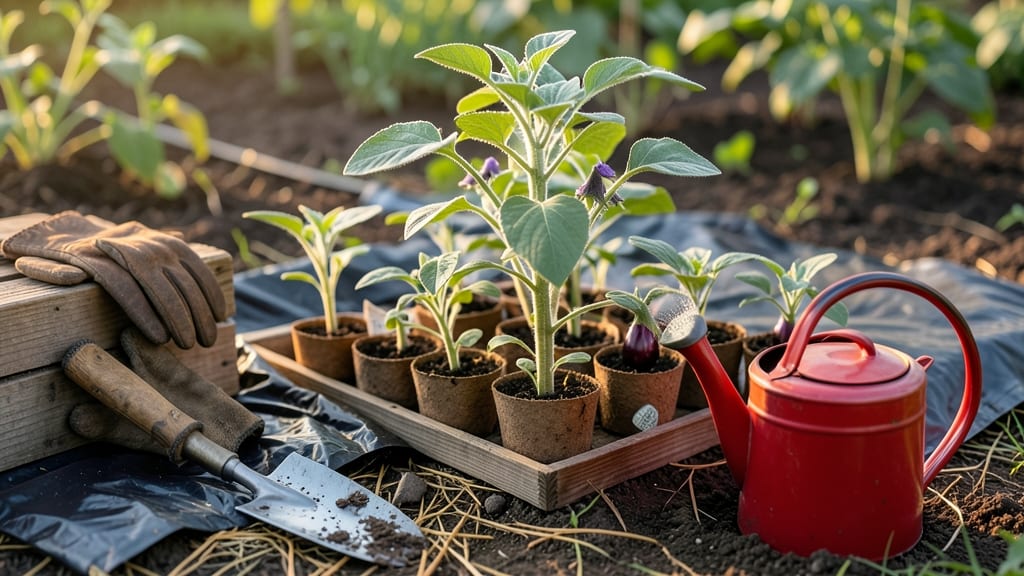
If you’ve ever wondered when to plant eggplant in Louisiana, timing is the secret to avoiding wilted seedlings and maximizing your 🍆 harvest. Louisiana’s heat and humidity create the perfect growing conditions—but only if you start at the right moment.
Planting too early means frost-sensitive seedlings, while waiting too long risks stunted growth from summer’s intense sun. The ideal window is March through May for spring planting, when soil temperatures hit 70°F and frost danger fades.
For a fall crop, August to September works best, giving eggplants enough time to mature before cooler weather arrives.
I’ll break down the exact dates for Louisiana’s 8a-9b zones, whether you’re starting from seeds or seedlings, and how to prep your soil for success. Skip the guesswork—these heat-resistant varieties thrive when planted at the perfect moment.
Ready to grow bigger, healthier eggplants? Let’s dive into the best planting schedule and pro tips to keep your garden productive all season long.
Best planting dates for eggplant in Louisiana’s climate zones
Louisiana’s USDA zones 8a-9b offer gardeners a long growing season, but eggplant needs warm soil and consistent heat to thrive. Planting too early risks frost damage, while late planting cuts harvest time. The key is soil temperature—eggplant roots struggle below 60°F and perform best above 70°F.
For most of Louisiana, the ideal transplant window is mid-March to early May for spring plantings. Fall plantings should start mid-August to early September to ensure harvest before first frost (typically December 1). Northern Louisiana (zone 8a) may need to delay until late April to avoid late frosts.
Direct sowing is rarely recommended in Louisiana due to slow germination and pest risks. Instead, start seeds indoors 8-10 weeks before transplanting (around January-February) or buy healthy seedlings from local nurseries. Hardening off seedlings for 7-10 days before transplanting improves survival rates in Louisiana’s humidity.
Here’s a quick reference for planting deadlines by region:
| Region | Spring Planting Window | Fall Planting Window | Soil Temp Threshold |
|---|---|---|---|
| New Orleans (Zone 9a) | Mid-February to early April | Late July to mid-September | ≥70°F (use black plastic mulch) |
| Baton Rouge (Zone 8b) | Late March to early May | Mid-August to early October | ≥68°F (wait for nighttime temps above 55°F) |
| Shreveport (Zone 8a) | Late April to early May | Late August to mid-September | ≥72°F (extend season with row covers) |
To extend your harvest window, consider successive planting every 2-3 weeks during the ideal windows. For example, plant one batch in late March, another in mid-April, and a final batch in early May to ensure continuous production through fall.
This strategy works especially well in southern Louisiana, where the growing season is longest.
Louisiana’s humidity and heat can stress eggplant, so mulching with black plastic or straw helps maintain soil moisture and warms the roots. I’ve found that drip irrigation in the morning reduces fungal diseases like powdery mildew, which thrives in Louisiana’s damp climate.
Avoid overhead watering, as wet foliage invites pests like aphids and flea beetles.
For container gardening, stick to 5-gallon pots or larger to accommodate eggplant’s deep root system. Use a lightweight potting mix with perlite for drainage, and place containers in full sun (at least 6-8 hours daily).
Move pots to shaded areas during peak summer heat (above 95°F) to prevent heat stress.
If you’re starting seeds indoors, use biodegradable pots to avoid transplant shock. Keep seedlings under grow lights or in a sunny window until they’re 4-6 inches tall with 4-5 leaves. Harden them off by gradually exposing them to outdoor conditions for 1-2 hours daily before the final transplant.
Remember, Louisiana’s unpredictable weather can throw off even the best-laid plans. Always have a backup plan, like row covers for late frosts or shade cloth for extreme heat. With the right timing and care, you’ll enjoy homegrown eggplant from summer through fall! 🌱
Top heat-resistant eggplant varieties for Louisiana gardens
Louisiana’s humid heat and long summers demand eggplant varieties that can handle 90°F+ temperatures without wilting. The wrong variety leads to blossom drop or poor fruit set, but the right one thrives in your climate.
I’ve grown Ichiban, Black Beauty, and Cream Sausage in my Louisiana garden, and these three stand out for their heat tolerance and disease resistance.
For high yields in southern Louisiana, Ichiban is my top pick. This Japanese variety produces long, slender fruit (12-14 inches) that stays firm even in peak summer heat.
It’s also resistant to verticillium wilt, a common issue in Louisiana’s heavy clay soils. Black Beauty, the classic deep purple eggplant, handles moderate heat but may struggle in zone 9b’s extreme humidity without proper airflow.
If you prefer white or pale green fruit, Cream Sausage is a heat-loving option that matures quickly (60-70 days) and resists powdery mildew. For container gardening, Fairy Tale (a dwarf variety) fits 5-gallon pots and produces small, sweet fruit perfect for urban gardens.
Each variety has unique strengths—choose based on your garden space and heat tolerance needs.
🌱 Eggplant Variety Comparison
Ichiban
- Pros: Heat-tolerant, long fruit, wilt-resistant
- Cons: Needs staking, slower early growth
Black Beauty
- Pros: Classic flavor, widely available
- Cons: Needs airflow, prone to mildew in humidity
Cream Sausage
- Pros: Quick maturing, mildew-resistant
- Cons: Less heat-tolerant than Ichiban
Fairy Tale
- Pros: Dwarf size, great for containers
- Cons: Smaller yield, needs frequent watering
When selecting varieties, prioritize disease resistance—look for labels mentioning verticillium wilt or powdery mildew resistance. Louisiana’s clay-heavy soils often lack drainage, so choose varieties that tolerate soggy conditions if your garden doesn’t have raised beds.
I’ve had the most success with Ichiban in southern Louisiana and Black Beauty in cooler northern zones like Shreveport.
For extended harvests, pair early-maturing varieties (like Cream Sausage) with late-season types (like Ichiban). Plant the first batch in late March and the second in early May to stagger ripening.
This successive planting strategy ensures fresh eggplant from summer through fall, even when temperatures climb above 95°F.
Pro tip: Mulch heavily with straw or black plastic to protect roots from heat stress. I’ve seen 30% larger yields in mulched beds during Louisiana’s hottest months. Pair your variety choice with proper soil prep—amend clay soil with compost and perlite to improve drainage and root health.
Ready to pick the perfect variety? Ichiban for heat lovers, Black Beauty for classic flavor, or Fairy Tale for small spaces—each brings something special to your Louisiana garden! 🌿