
Plants
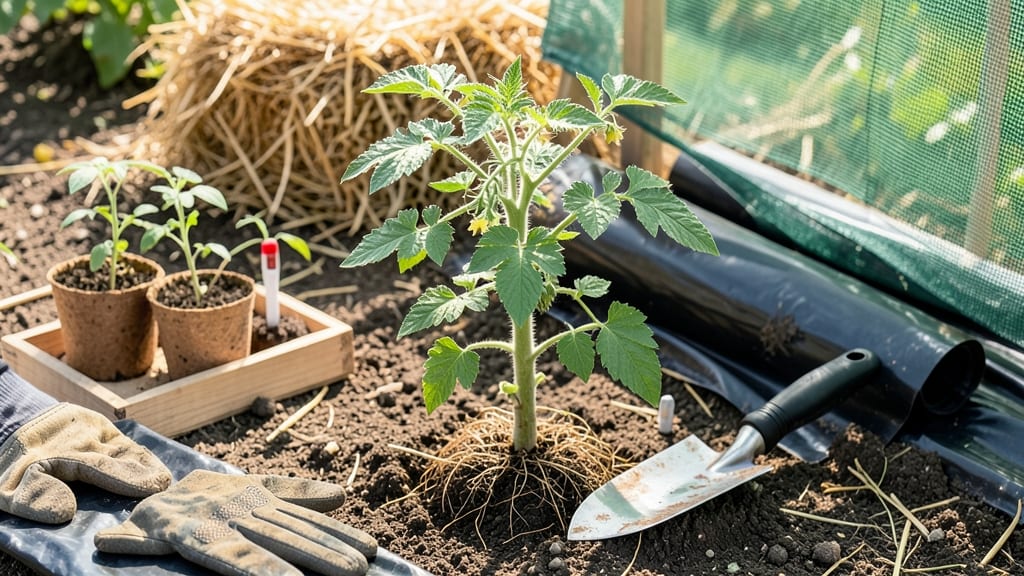
Timing your fall tomatoes in Louisiana can mean the difference between a bumper crop and a wasted effort—because planting too early means battling summer’s last heatwave, while waiting too long risks frost nipping your harvest before it ripens.
The sweet spot? 6 to 8 weeks before your local first frost, but Louisiana’s microclimates—from Shreveport’s cooler hills to New Orleans’ coastal warmth—make this a moving target.
Most gardeners in USDA Zones 8a-9b land on mid-August to early September as their ideal window, but your exact dates depend on whether you’re growing heat-tolerant varieties like ‘Heatmaster’ or faster-maturing types such as ‘Celebrity’.
Get it wrong, and you’ll either watch your plants wilt under 90°F+ soil temps or see your harvest cut short by December’s first chill.
Here’s the game-changer: I’ll break down microclimate-specific planting weeks for North, Central, and South Louisiana—plus how to adjust for your county’s unique frost risk. You’ll also discover which tomato varieties handle Louisiana’s humidity and pests best, so you can avoid common pitfalls like blossom-end rot or fungal diseases.
Ready to turn your fall garden into a tomato powerhouse? Let’s dive into the exact dates, soil prep secrets, and post-planting care that’ll have you harvesting 🍅 until December—without the guesswork.
Louisiana’s fall tomato planting zones by microclimate (with exact weeks before frost)
Louisiana’s diverse climate means your fall tomato planting dates can vary by hundreds of miles. In North Louisiana (Zone 8a), like Shreveport, you’ll plant earlier than in South Louisiana (Zone 9b), like New Orleans.
The key is knowing your average first frost date and selecting varieties that mature before winter sets in.
Most Louisiana gardeners aim to harvest tomatoes 60-75 days after planting. This means starting seeds or transplants 8-10 weeks before frost. For example, if your first frost is November 25 (common in Zone 8a), your last planting window is late August to early September.
In Zone 9b, where frost hits around December 1, you can push planting until mid-September.
Here’s the breakdown by region—use these weeks before frost as your guide, but always check local NOAA frost maps for your exact county.
| Region | USDA Zone | Avg. First Frost | Planting Window | Best Varieties |
|---|---|---|---|---|
| North Louisiana (Shreveport, Monroe) | 8a | November 25 | Late August - Early September | Celebrity, Arkansas Traveler, Mountain Merit |
| Central Louisiana (Baton Rouge, Lafayette) | 8b | November 15 | Early September - Mid-September | Heatmaster, Solar Fire, Bush Early Girl |
| South Louisiana (New Orleans, Houma) | 9b | December 1 | Mid-September - Late September | Cherokee Purple, Jetstar, Super Sweet 100 |
For North Louisiana, where summers are hotter and winters colder, focus on early-maturing varieties like Celebrity (65 days) or Arkansas Traveler (70 days). These handle the late-summer heat before cooling down and produce fruit before frost.
In Central Louisiana, you’ve got a little more flexibility—try heat-tolerant varieties like Heatmaster (75 days) or Solar Fire (65 days) for a longer harvest window.
In South Louisiana, where the climate is milder, you can afford to plant larger-fruited varieties like Cherokee Purple (80 days) or Jetstar (60 days).
The longer growing season lets you experiment with heirlooms, but always prioritize disease resistance—Louisiana’s humidity is a magnet for blight and early blight.
Pro tip: If you’re in a transition zone (like Livingston Parish), err on the side of earlier planting. A late frost can wipe out your crop faster than you think, and tomato plants don’t recover from cold damage.
I’ve seen gardeners in Zone 8b lose their entire harvest because they planted too late in September—don’t make that mistake!
Once you’ve nailed down your planting window, prep your soil with compost and a balanced fertilizer (like 10-10-10). Louisiana’s clay-heavy soils drain poorly, so amend with organic matter to improve aeration. Mulch with straw or black plastic to retain moisture and suppress weeds—critical in our humid climate.
After transplanting, watch for early signs of stress, like yellowing leaves or stunted growth. This often means overwatering (a common mistake in Louisiana’s heat) or nutrient deficiency. Adjust your watering schedule to deep soaks every 2-3 days in the morning to avoid fungal diseases.
With the right timing and variety, you’ll be feasting on homegrown tomatoes well into November or December. Just remember: Louisiana’s fall is unpredictable—always have a row cover on hand to protect your plants if a cold snap sneaks up. Happy planting!
How to adjust planting dates for your specific Louisiana county (heat + frost maps)
Louisiana’s microclimates mean your neighbor’s perfect planting date might leave your tomatoes struggling. For example, Lafayette’s average first frost hits November 25, while Houma’s can linger until December 15.
To nail your exact window, start by checking your county’s NOAA frost maps—I always cross-reference these with the LSU AgCenter’s local reports for real-time adjustments.
Next, account for soil temperatures. Tomatoes need 60°F+ soil to germinate, and Louisiana’s late-summer heat can push temps above 90°F, stressing young plants. Use a soil thermometer to confirm readiness—if it’s still above 85°F, wait a week or two.
Pro tip: Black plastic mulch warms soil faster and suppresses weeds, giving you a 2-week head start in cooler areas like Monroe.
Here’s how to fine-tune for your county: 1. North Louisiana (Shreveport, Monroe): Plant August 15–25 for frost-free harvests by December 1. Use row covers if nights dip below 50°F. 2. Central Louisiana (Baton Rouge, Lafayette): Aim for August 20–September 5.
Prioritize heat-tolerant varieties like ‘Heatmaster’ to handle lingering summer heat. 3. South Louisiana (New Orleans, Houma): Extend your window to September 1–15—coastal warmth often delays frost until December 20.
For extended-season gardening, combine these strategies: - Row covers (add 2–3 weeks of protection) - Black plastic mulch (warms soil by 5–10°F) - Cold frames (push harvests into January for early varieties) But watch for humidity-related diseases—overhead watering at night is a no-go in Louisiana’s muggy falls.
⚠️ Critical Mistake to Avoid
Planting too early in North Louisiana (before August 15) risks blossom drop from heat stress. Conversely, waiting until after September 15 in South Louisiana may leave tomatoes unripe by frost. Always verify your county’s 10-year frost averages—LSU AgCenter’s Planting Calendar is your best friend.
🌡️ Pro Tip: Use a frost clock app to track real-time forecasts and adjust planting dates dynamically.
Don’t overlook pest pressure in fall plantings. Louisiana’s humidity fuels hornworms and aphids, so rotate organic sprays like neem oil every 7–10 days once fruits set. And if your soil feels clay-heavy, amend with compost to improve drainage—waterlogged roots are a fast track to blossom-end rot.
Finally, mark your calendar for harvest timing: Most fall tomatoes in Louisiana reach maturity 75–90 days after planting. If you’re in Zone 8a (North), aim to harvest by December 1; in Zone 9b (South), you can push it to January 15 with protection.
The key? Start counting backward from your frost date and pick varieties that fit your timeline.