
Flowers
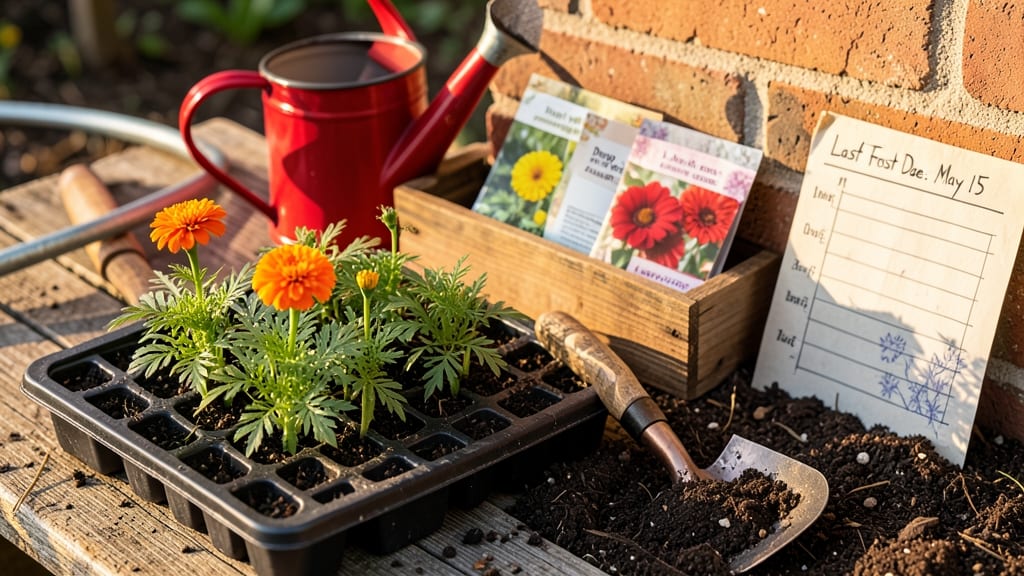
Timing your flower seeds planting in Illinois could make or break your garden’s success—get it right, and you’ll enjoy vibrant blooms all season long. With USDA zones 5-6 across the state, knowing when to plant is crucial, whether you’re sowing cool-season annuals or heat-loving perennials.
Most gardeners in Illinois start planting flower seeds in March through May, but the exact timing depends on your local frost dates.
In northern Illinois, where frosts linger longer, you might wait until after April 15, while southern regions can begin as early as late February for cold-hardy varieties like pansies or sweet peas.
Fall planting is another game-changer—September through October is ideal for overwintering flowers like tulips or daffodils. The key is preparing your soil early, ensuring it’s loose and nutrient-rich, so your seeds have the best chance to thrive once temperatures stabilize.
Ready to transform your garden? I’ll walk you through the exact weeks to plant, which flowers suit Illinois’ climate, and how to adjust for unpredictable weather. Let’s get those flower seeds in the ground at the perfect time!
Illinois frost dates by zone: the exact weeks to plant flower seeds
Planting flower seeds in Illinois requires precision—especially with our diverse USDA zones (4a–6b) and unpredictable frost patterns. The last spring frost typically arrives between mid-April and early May, while the first fall frost hits mid-October to early November.
These dates vary by 1–2 weeks depending on whether you're in northern Illinois (zone 4a) or southern Illinois (zone 6b).
For cool-season flowers like pansies or snapdragons, I plant seeds 4–6 weeks before the last frost—usually by early March in southern Illinois or late March in the north. Warm-season flowers such as marigolds or zinnias, however, need to wait until after the last frost and when soil temperatures hit 60°F+, which often means late April to early May.
Fall planting is equally critical. Hardy annuals like sweet peas or calendula can be sown 6–8 weeks before the first frost (around September 1st), while perennials like coneflowers benefit from late summer sowing (August) to establish roots before winter.
🌱 Pro Tip: Use the Illinois State Climatologist’s frost date map to pinpoint your exact county’s average frost dates—this can shift planting windows by 10+ days.
Illinois Frost Dates & Planting Windows by Zone
| Zone | Last Spring Frost | First Fall Frost | Cool-Season Planting Window | Warm-Season Planting Window |
|---|---|---|---|---|
| 4a (Northern IL) | May 1–15 | October 1–15 | March 15–April 15 | May 15–June 1 |
| 5a (Central IL) | April 15–30 | October 15–30 | March 1–April 1 | May 1–15 |
| 6a/6b (Southern IL) | April 1–15 | November 1–15 | February 15–March 15 | April 15–May 1 |
🌡️ Note: Microclimates (e.g., urban heat islands) can shift frost dates by 1–2 weeks.
In zone 4a, where winters are harsher, I often start cool-season flowers indoors in February to give them a head start.
For zone 6b, where winters are milder, I can sow hardy annuals like sweet peas directly in February—but I always check soil temperatures to avoid rot from cold, wet soil.
Fall planting is another game-changer. Bulbs like tulips and daffodils should be planted 6 weeks before the ground freezes—typically mid-October in the north and late October in the south. Perennials like black-eyed Susans can handle late summer sowing (August) and even early spring if protected with row covers.
💡 Key Takeaway: Illinois’ 100+ frost-free days create a 16-week window for planting—divide this into cool-season (early spring/fall) and warm-season (late spring/summer) blocks for maximum blooms.
For urban gardeners, city heat can delay first frosts by 1–2 weeks, while rural areas may experience earlier frosts. Always monitor local weather forecasts and adjust your planting timeline accordingly—flexibility is key in Illinois gardening!
Best flower seeds to plant by month in Illinois (with cold-hardy exceptions)
Illinois’ diverse climate means you can plant flowers almost year-round, but timing matters. Cool-season flowers like pansies and sweet peas thrive when planted in February or March, while warm-season favorites such as marigolds and zinnias need to wait until after the last frost, typically late April or May.
The key is matching your flowers to Illinois’ two distinct planting seasons—spring and fall.
For spring planting, focus on cold-hardy annuals like snapdragons and lobelia in early March, then transition to heat-loving perennials like coneflowers and black-eyed Susans once soil warms. Fall planting, from September to October, is perfect for bulbs like tulips and daffodils, which naturalize beautifully in Illinois’ climate.
🌱 Here’s my month-by-month breakdown of the best flower seeds to plant in Illinois, including cold-hardy exceptions that defy the rules:
Plant cold-hardy annuals like pansies and sweet peas in southern Illinois (zones 6a-6b). Use row covers in northern areas to protect seedlings.
Sow biennials like foxglove and hollyhocks. Start warm-season flowers indoors for transplanting after last frost.
Direct-sow marigolds, zinnias, and cosmos once soil reaches 60°F. Northern Illinois may wait until late April.
Plant heat-loving perennials like bee balm and shasta daisies. Succession-sow annuals every 2 weeks for continuous blooms.
Sow fall-blooming annuals like calendulas and stock. Plant bulbs (tulips, daffodils) for spring color.
Focus on winter-hardy flowers like snowdrops and crocuses. Avoid planting after mid-October in northern Illinois.
Pro tip: Extend your season by using row covers for early spring plantings or black plastic mulch to warm soil faster. Southern Illinois gardeners can push limits with tropical flowers like hibiscus in microclimates, while northern zones should prioritize rugged perennials like coneflowers.
🌿 Remember: Illinois’ unpredictable weather means flexibility is key. Always check local frost dates and monitor soil temperatures—your flowers will thank you with longer, more vibrant blooms!