
Companion Plants
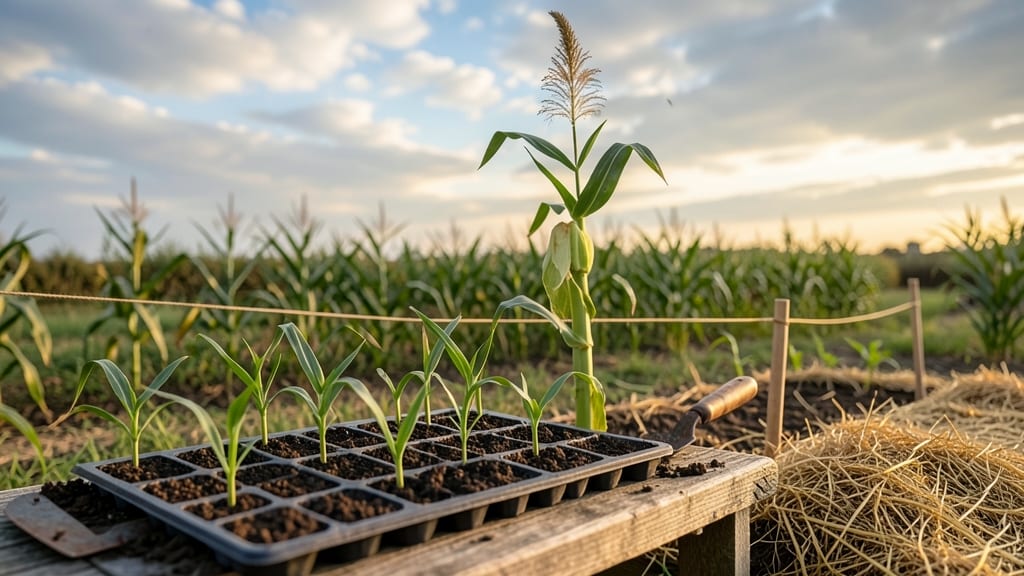
Knowing when to plant corn in Zone 7 can mean the difference between a bumper crop of golden 🌽 ears and a disappointing harvest. The right timing isn’t just about waiting for spring—it’s about understanding your local microclimate, soil warmth, and the specific needs of your corn variety.
In Zone 7, where last frost typically arrives around mid-April, rushing to plant too early can leave tender seedlings vulnerable to surprise cold snaps. But waiting too long risks stunted growth or even no harvest at all, especially if you’re growing slower-maturing varieties.
The key is finding that sweet spot between soil temperatures of 50-60°F and your area’s frost-free window.
Whether you’re a first-time gardener or a seasoned grower, this guide will help you pinpoint the exact planting window for your Zone 7 location—whether you’re in a cooler northern sub-zone or a warmer southern pocket.
I’ll also share tips for extending your growing season and choosing the best varieties for reliable yields.
Let’s dive into the details so you can confidently plant your corn at the perfect time for a harvest full of sweet, plump kernels. Ready to get started?
Zone 7 corn planting dates by last frost average (with microclimate adjustments)
In Zone 7, your corn planting window hinges on two critical factors: your last average frost date (typically April 15) and your soil’s ability to warm to 50-60°F.
While the general rule is to plant 2-3 weeks after your last frost, this can vary by 10-14 days depending on whether you’re in a northern, central, or southern pocket of Zone 7.
For example, gardeners in northern Zone 7a (like parts of Virginia or Kentucky) may need to wait until mid-May to ensure soil warmth, while those in southern Zone 7b (like North Carolina or Georgia) can often start as early as late April.
Always verify your local frost dates using the USDA Plant Hardiness Zone Map or a microclimate calculator for precision.
Here’s a quick reference for Zone 7 planting windows based on frost averages and soil temperature readiness:
If you’re unsure about your exact microclimate, consider these adjustments: Urban areas often experience heat islands, allowing earlier planting, while high-elevation gardens may need to delay until soil warms fully. For coastal gardeners, moderate ocean breezes can delay frost but may also cool soil—monitor temperatures closely.
To test soil warmth, use a soil thermometer buried 2 inches deep. If it reads below 50°F, wait a few more days. Corn seeds won’t germinate in cold soil, and seedlings may rot if planted too early.
Patience here pays off with stronger, healthier plants ready to bolt into growth when conditions are ideal.
Another pro tip: Plant a test row 1-2 weeks before your target date. If these seedlings thrive without frost damage, it’s safe to plant your full crop. This method works especially well for slow-warming soils common in northern Zone 7.
Once your soil is ready, aim to plant corn in blocks (not rows) to improve cross-pollination. Space seeds 1-1.5 inches deep and 4-6 inches apart, with rows 24-36 inches apart. This spacing gives plants room to grow and ensures better ear development.
For gardeners in Zone 7’s warmer southern pockets, you can even squeeze in a second planting in early July for a late-summer harvest. Just choose a fast-maturing variety (60-75 days) to avoid frost before maturity. Varieties like ‘Early Sunglow’ or ‘Bodacious’ are excellent choices for this strategy.
Remember, corn is a short-day plant, meaning its growth is triggered by daylight length. In Zone 7, this isn’t usually a concern, but if you’re experimenting with northern varieties, ensure they’re suited to your 14-15 hour daylight window during summer.
Zone 7 corn planting dates by last frost average (with microclimate adjustments)
In Zone 7, your corn planting window hinges on two critical factors: soil temperature and your last frost date.
While the average last frost falls around April 15, your exact timing depends on whether you’re in a cooler northern sub-zone (like the Appalachians) or a warmer southern pocket (like Atlanta). For reliable germination, wait until the soil reaches 50-60°F—a soil thermometer is your best friend here.
Direct-sowing corn is the norm, but if you’re dealing with a short growing season or unpredictable springs, you can start seeds indoors 4-6 weeks before transplanting. However, corn doesn’t transplant well, so this is only recommended for late varieties or high-elevation areas where frost lingers.
Here’s how to adjust your planting timeline based on your local microclimate:
For direct sowing, plant seeds 1–1.5 inches deep and 4–6 inches apart in blocks (not rows) to ensure cross-pollination. If you’re in a cooler sub-zone, consider staggering plantings every 2 weeks to extend your harvest window.
This works especially well for sweet corn varieties, which lose sweetness if left on the stalk too long.
Pro tip: If your soil is still chilly by mid-May, use biodegradable seedling pots to start seeds in a protected microclimate (like a cold frame) and transplant once soil warms. This buys you 2–3 extra weeks of growing time without risking frost damage.
Remember, corn is a heavy feeder, so amend your soil with compost or aged manure before planting. This ensures your plants have the nutrients they need to thrive once they break through the soil.