
Companion Plants
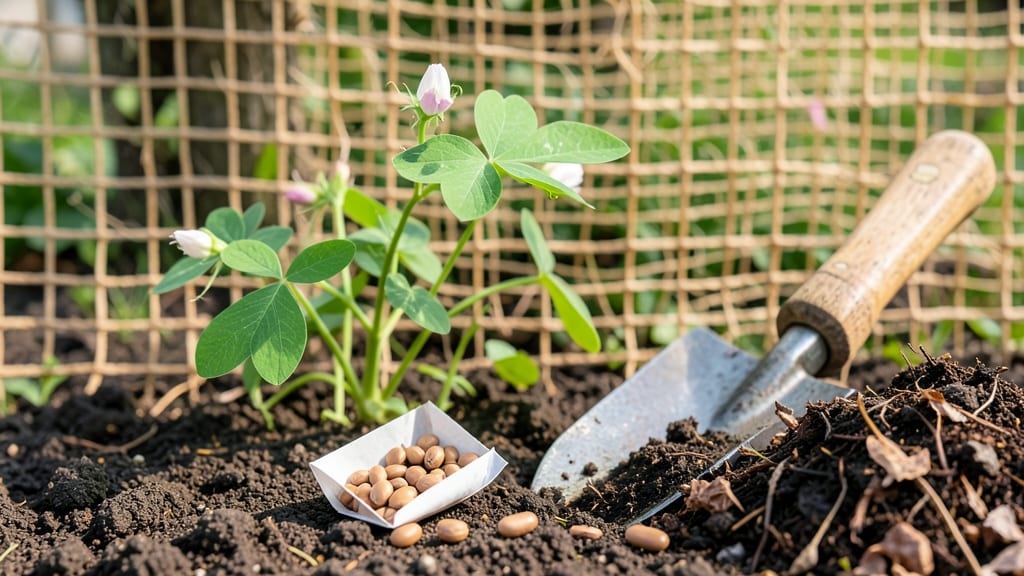
Timing your pea planting in the UK can make or break your harvest—especially since frost sneaks in unexpectedly. Whether you're in frost-prone London or milder Cornwall, getting those 🌱 peas in the ground at the right time means the difference between a bumper crop and a sad, wilted failure.
Most gardeners swear by the February to April window for spring peas, but did you know you can also plant in late summer for autumn harvests? The key is understanding your local frost dates and soil conditions—because what works in Bristol might flop in Scotland.
I’ll break down exactly when to plant, how to prep your soil, and even share my top tricks for succession planting to keep your kitchen stocked all season.
You don’t need a green thumb to grow peas—just the right timing and a little patience. Let’s dive into the best months to plant by region, plus how to protect your young plants from late frosts.
Trust me, once you master this, you’ll be harvesting sweet, fresh peas straight from your garden for months.
Ready to turn your patch into a pea powerhouse? I’ll walk you through everything from soil prep to frost-proofing, so you can enjoy those crisp, homegrown peas like a pro. No more guessing—just reliable results.
UK pea planting timeline by region: frost-free windows for maximum growth
Peas are one of the first spring vegetables to plant in the UK, but timing varies by region. In southern England, you can start as early as February, while northern Scotland gardeners should wait until late March or April.
The key is planting when soil temperatures reach 7°C (45°F)—peas won’t germinate in cold soil. Coastal areas like Cornwall often have earlier frost-free windows than inland regions, so adjust accordingly.
Frost is peas’ biggest enemy—even a light frost after germination can kill young shoots. That’s why I recommend using cloches or fleece for early sowings in colder areas. In central UK regions (like London or Birmingham), aim for March planting to avoid late frosts.
Meanwhile, autumn peas (sown in August-September) thrive in milder coastal climates but may struggle in frost-prone inland spots.
| Region | Ideal Planting Months | Soil Temp for Germination | Frost Risk | Notes |
|---|---|---|---|---|
| Southern England (Cornwall, Devon) | February–March August–September |
7–10°C (45–50°F) | Low (mild winters) | Early sowings possible; autumn peas thrive. |
| Central UK (London, Birmingham) | March–April Late August |
8–12°C (46–54°F) | Moderate (late frosts common) | Use cloches for early sowings; avoid September planting. |
| Northern England/Scotland (Edinburgh, Glasgow) | April–May None (too cold for autumn peas) |
10–15°C (50–59°F) | High (late frosts likely) | Wait for soil to warm; focus on spring crops only. |
For spring peas, I always recommend starting with early varieties like ‘Meteor’ or ‘Douce Provence’—they mature in just 60–70 days, giving you a harvest before summer heat sets in.
In warmer regions, you can even squeeze in a second crop in June by sowing dwarf varieties like ‘Tom Thumb’ in containers. These stay compact (1–2 ft tall) and are perfect for small gardens or balconies.
If you’re growing autumn peas, stick to late-summer sowings (August–September) in milder areas. Varieties like ‘Hurst Green Shaft’ tolerate cooler temperatures and produce sweet pods even in fall chill.
Just be prepared to harvest before the first hard frost, which in Scotland can arrive as early as October. In contrast, southern England often enjoys frost-free harvests until November.
One trick I’ve learned is to plant peas in stages—sow a few seeds every 2–3 weeks—to ensure a continuous harvest. This works especially well for succession planting in spring and autumn.
For example, if you start with ‘Feltham First’ in March, follow up with ‘Alderman’ in late April to extend your yield. Just mark your calendar for harvest times: ‘Feltham First’ matures in 60 days, while ‘Alderman’ takes 70–80 days.
Don’t forget to prepare your soil before planting. Peas thrive in well-drained, slightly acidic soil (pH 6.0–7.0). Mix in compost or well-rotted manure a few weeks before sowing to boost nutrients.
Avoid fresh manure—it can burn young roots and attract pests. If your soil is clay-heavy, add sand or grit to improve drainage, as peas hate waterlogged conditions.
For container growing, choose deep pots (at least 12 inches deep) since peas have long taproots. Fill them with a mix of compost and perlite to mimic loose, fertile soil.
Place containers in a sunny spot (at least 6 hours of sunlight daily) and water consistently—drought stress reduces pod production. I’ve had great success with ‘Little Marvel’ peas in hanging baskets, harvesting sweet pods all summer long.
Finally, remember that pea varieties differ in frost tolerance. Early varieties like ‘Meteor’ handle light frosts better than late varieties like ‘Hurst Green Sh
How to extend your pea harvest season in the UK: succession planting and variety choices
Extending your pea harvest season in the UK is all about smart succession planting and choosing the right varieties for your climate. Most gardeners focus on spring planting, but with a few tricks, you can enjoy fresh peas from early spring right through to autumn.
The secret? Staggered plantings and selecting varieties that thrive in both cool and warmer conditions.
Start by planting early varieties like 'Meteor' or 'Feltham First' in February or March—these handle light frosts and give you pods by May. Then, follow up with mid-season types like 'Douce Provence' in April for a June harvest.
For autumn, sow late varieties such as 'Hurst Green Shaft' in August to harvest in October or November.
Here’s how I extend my season: I plant a 3-week succession of peas every 10-14 days from March to May, ensuring a steady supply. This works especially well in southern regions like Cornwall, where summers are milder.
In colder areas like Scotland, focus on early and mid-season varieties to avoid frost damage.
🌱
Plant 'Meteor' or 'Alderman' in February-March for frost-resistant growth. Harvests ready by May-June.
Sow 'Douce Provence' in April for a June-July harvest. Ideal for warmer spells.
Choose 'Hurst Green Shaft' for August sowing and autumn harvests (October-November).
Grow 'Tom Thumb' in containers for small spaces or greenhouse planting to extend season.
Sow new batches every 2-3 weeks from March to May for continuous harvests.
For northern regions, prioritize cold-hardy varieties like 'Telephone' or 'Sugar Snap'—they tolerate cooler soils and shorter growing seasons. In southern areas, you can push the envelope with later plantings, even into early September, but always check your local frost dates to avoid surprises.
Pro tip: Use cloches or fleece to protect early plantings from late frosts. I’ve saved entire batches by covering my peas on cold nights—it’s a game-changer for extending your harvest. Pair this with a well-drained, compost-rich soil, and you’ll be enjoying peas for months, not weeks.
🌿