
Plants
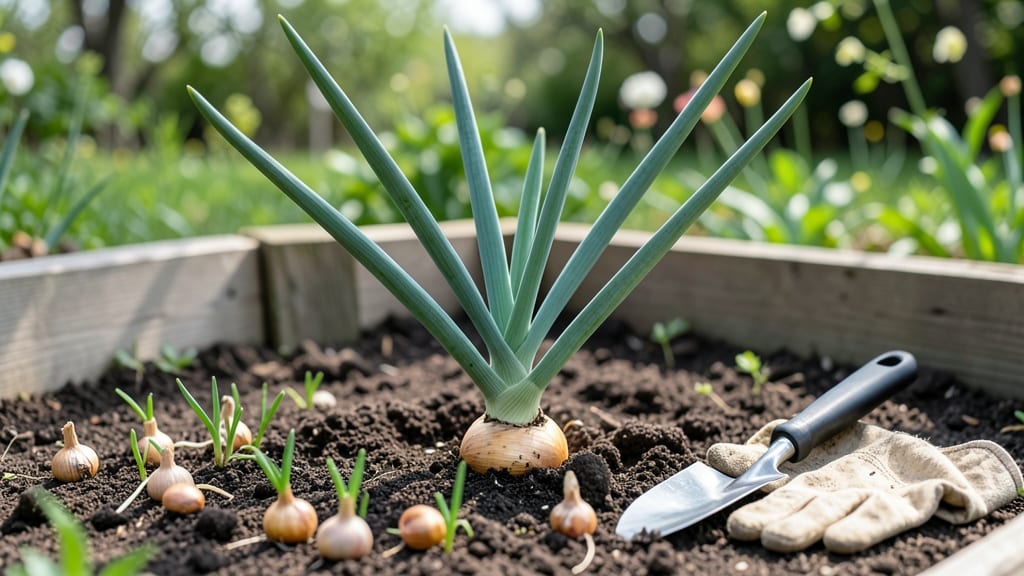
If you’ve ever planted 🧅 onions in Missouri only to watch them bolt before harvest, you’re not alone. The key to success lies in knowing exactly when to plant—because Missouri’s 5b-6a climate demands precision. Miss the window, and you’ll either face stunted growth or wasted effort.
Most gardeners swear by spring planting, but fall options exist too—if you time it right. Whether you’re using sets, seeds, or transplants, the right schedule prevents bolting and ensures a bountiful harvest. Let’s break down the exact months and microclimate tweaks that work for St. Louis, Kansas City, and beyond.
You’ll discover how soil temperature triggers and frost dates shape your planting calendar, plus how to adjust for Missouri’s diverse growing zones. No more guesswork—just reliable, region-specific guidance to grow onions that thrive from March through November.
Ready to stop the bolting frustration? I’ll walk you through the perfect planting windows and variety choices that guarantee success in your backyard. Let’s get those onions in the ground the right way.
Missouri onion planting zones: exact dates by region for bulb success
Missouri’s diverse climate zones mean your onion planting schedule should match your location. From the urban heat of St. Louis to the cooler Ozarks, timing varies by 3-4 weeks. Let’s break down the ideal planting windows for each region to avoid bolting and maximize yields.
Onions thrive when soil temperatures stay between 40°F and 85°F. In Missouri, this means starting 4-6 weeks before last frost (typically mid-March to mid-April) for spring plantings. Fall plantings should happen 8-10 weeks before first frost (late August to early September).
Here’s how to adjust based on your Missouri zone:
For St. Louis gardeners, aim to plant onion sets in late March when soil warms to 45°F. The Bootheel’s longer growing season lets you start as early as February for spring onions, but avoid planting after mid-March to prevent bolting.
Missouri’s Ozark region has cooler nights, so delay planting until mid-April when soil reaches 40°F. Fall plantings here should wrap up by September 15th to mature before frost. Use black plastic mulch to warm soil faster in cooler zones.
Always check your local frost dates—St. Louis averages mid-April for last frost, while the Ozarks can see frost until May 10th. For fall plantings, the Bootheel’s earlier frost means planting by July 31st ensures harvest before October 15th.
Pro tip: Test soil temperature with a soil thermometer—onions need consistent warmth to form bulbs. If soil stays below 40°F, delay planting or use row covers for protection.
Missouri’s microclimates also affect onion varieties. Short-season areas like the Ozarks need fast-maturing types (e.g., 'Candy'), while longer seasons in St. Louis can handle 'Yellow Granex' for storage onions. Always adjust planting dates based on your specific elevation and urban heat island effects.
Remember: Onion sets (small bulbs) are easier for Missouri gardeners than seeds. Plant them ½-inch deep, 4-6 inches apart, and keep soil moist but not soggy. With the right timing, you’ll avoid bolting and enjoy homegrown onions all season!
How to adjust onion planting for Missouri’s microclimates: soil, elevation, and wind factors
Missouri’s diverse microclimates mean your neighbor’s perfect onion harvest might fail in your garden. Urban heat islands in St. Louis can push soil temperatures 10°F warmer than rural areas, while the Ozarks’ higher elevations delay spring planting by 2-3 weeks.
These differences aren’t just about timing—they affect soil moisture retention, wind exposure, and even bolting risk.
If you’ve ever planted onions in Kansas City’s river valleys only to watch them struggle with soggy soil, or tried spring planting in the Ozarks too early and lost them to frost, you’re not alone.
The solution? Microclimate-specific adjustments that account for elevation, wind patterns, and urban heat. Let’s break down how to tweak your planting strategy for Missouri’s most challenging growing conditions.
🌱
🔍 Key Takeaway: Missouri Microclimate Adjustments
- 🌆 Urban Areas (St. Louis, KC): Plant 2-3 weeks earlier than rural zones due to heat islands. Use shade cloth in summer to prevent bolting.
- 🏔️ Ozarks/Elevation: Delay planting by 2-3 weeks—soil warms slower. Choose shorter-day varieties like 'Candy' to avoid bolting.
- 🌊 River Valleys: Amend heavy clay soil with compost/sand mix (1:1 ratio) to improve drainage. Space plants 6 inches apart for airflow.
- 💨 Windy Plains: Use windbreaks (corn stalks or burlap) to protect young plants. Mulch with straw to retain moisture.
- 🌡️ Soil Temp Trick: Test soil—onions need 40°F+ for germination. Use a soil thermometer in doubt.
💡 Pro Tip: Fall-planted onions in Missouri’s northern zones (like St. Charles) can overwinter with 6 inches of mulch.
For urban gardeners in St. Louis or Kansas City, the heat island effect can make your soil feel like it’s in Zone 7 when the official zone is 6a. This means you can safely plant onion sets as early as late February—but only if you’re prepared to protect them from unpredictable late frosts.
I recommend using row covers or planting near south-facing walls to trap heat.
In contrast, the Ozarks’ higher elevations (like near Springfield) often experience later last frosts, sometimes as late as mid-April. If you plant too early, your onions will sit in cold soil and either rot or bolt prematurely.
The fix? Wait until soil temperatures hit 45°F consistently—usually early April—and choose shorter-day varieties like 'Texas Early White' to minimize bolting risk.
Wind exposure is another critical factor, especially in Missouri’s western plains. Onions planted in open fields without protection can develop stunted bulbs or even blow over.
I’ve had success using temporary windbreaks made from corn stalks or burlap screens. Even a single row of tall sunflowers can reduce wind damage by 50%.
🌿
One adjustment that works across all Missouri microclimates? Mulching. Whether you’re dealing with dry urban soil or moist river valley clay**, mulch helps regulate soil temperature and retain moisture. For spring plantings, use straw or shredded leaves—they’ll break down slowly and add organic matter.
For fall plantings, a thick layer of straw (4-6 inches) can protect overwintering onions from freeze-thaw cycles.
Finally, don’t overlook the power of transplanting for late starters. If your spring planting window slips due to cool weather, you can still get onions in the ground by starting seeds indoors 8-10 weeks before your last frost and transplanting young seedlings.
Just be sure to harden them off for 7-10 days before moving them outdoors to avoid transplant shock.