
Planting
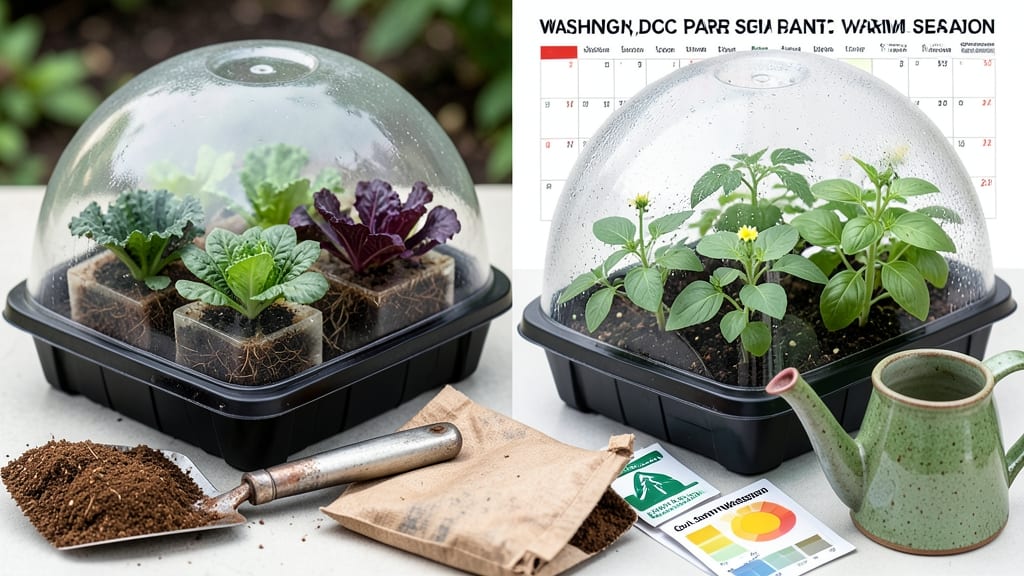
Timing when to plant a garden in Washington, DC could mean the difference between a thriving harvest and wasted effort—especially in USDA Zone 8A, where mild winters and scorching summers demand precision.
Plant too early, and frost might nip your seedlings; too late, and summer heat could stress your plants before they even take root.
I’ve spent years testing what works in DC’s unique climate, and the key is understanding the exact windows for cool-season crops (like spinach and kale) versus warm-season staples (tomatoes, peppers).
Whether you’re a first-time gardener or a seasoned green thumb, knowing when to start seeds indoors or transplant outdoors is the game-changer for a bountiful garden.
From the last frost date around March 15 to the first chill in November, DC’s growing season is packed with opportunities—but only if you plant at the right time. I’ll break down the ideal schedules for vegetables, flowers, and perennials, so you can avoid common pitfalls and maximize your yields.
Ready to turn your backyard into a productive oasis? Let’s dive into the step-by-step planting calendar tailored just for Washington, DC’s climate—no guesswork, just results.
Washington DC planting calendar by season: exact dates for USDA zone 8A
Washington DC’s USDA Zone 8A climate lets you grow almost year-round, but knowing the exact planting windows is key. The average last frost date is March 15, while the first frost typically arrives November 15. This 8-month window is perfect for both cool-season crops and warm-season staples.
Spring planting starts in early March for hardy greens like spinach and kale, while tomatoes and peppers wait until mid-April when soil warms. Fall offers a second chance for broccoli and carrots—plant them by late August for a winter harvest.
Here’s your seasonal breakdown for peak yields in DC’s climate:
| Season | Planting Window | Best Crops | Notes |
|---|---|---|---|
| Early Spring | March 1–March 15 | Spinach, Peas, Lettuce | Use row covers for frost protection |
| Late Spring | April 15–May 15 | Tomatoes, Peppers, Cucumbers | Wait until soil reaches 60°F |
| Summer | June 1–July 31 | Okra, Sweet Potatoes, Basil | Mulch to retain moisture |
| Early Fall | August 1–September 15 | Broccoli, Carrots, Kale | Avoid late-season heat stress |
| Late Fall | October 1–November 1 | Garlic, Onions, Winter Rye | Plant 4–6 weeks before first frost |
For perennials like asparagus or rhubarb, plant crowns in early spring (March) or fall (October) for established roots before winter. Herbs like rosemary thrive when planted in late spring after the last frost.
DC’s urban microclimates can vary—inner-city areas may warm faster than suburban spots. Use local frost data from the DC Department of Energy & Environment to fine-tune your schedule. For example, Rock Creek Park often has 2–3°F cooler nights than Anacostia.
Pro tip: Succession planting every 2–3 weeks ensures a steady harvest. For instance, sow bush beans in May, then again in June and July for continuous pods. This works especially well for fast-growing crops like radishes (30 days) and lettuce (45 days).
If you miss the ideal window, don’t panic! Container gardening lets you grow warm-season crops like jalapeños on patios until mid-July, then move pots indoors before frost. Just ensure containers have drainage holes to prevent root rot in DC’s humid summers.
Remember: Soil temperature matters more than air temperature. Use a soil thermometer—tomatoes need soil at 60°F+, while peppers prefer 70°F+. In DC, this usually aligns with mid-April to May for most gardeners.
Start your seedlings indoors 6–8 weeks before the last frost (by January 15) for tomatoes, peppers, and eggplants. Harden them off for 7–10 days before transplanting after May 1 to avoid shock.
With this seasonal roadmap, you’ll maximize your DC garden’s potential—whether you’re growing heirloom tomatoes in summer or crisp winter greens. Happy planting! 🌱
Best vegetables to grow in Washington DC: fastest-growing vs. long-season crops
Washington, DC’s USDA Zone 8A climate lets you grow a diverse range of vegetables, but not all plants thrive equally here. Some, like radishes and bush beans, mature in just 30-45 days, making them perfect for quick harvests.
Others, like tomatoes and sweet potatoes, need 80+ days of warm weather to reach full potential. Knowing which crops align with DC’s short but intense growing season is key to avoiding disappointment.
I’ve tested dozens of varieties over the years, and the best performers fall into three categories: fast growers (ideal for beginners or small spaces), mid-season crops (classic staples), and long-season plants (for patient gardeners with extended summers).
The trick is matching your planting window to the crop’s needs—whether you’re aiming for a spring harvest or a fall bounty before frost.
🌱 Pro Tip: For DC’s heat-prone summers, prioritize heat-tolerant varieties like ‘Heatmaster’ tomatoes or ‘Malabar’ spinach. These varieties won’t bolt (flower prematurely) when temperatures climb above 85°F, which is common in July and August.
🌱 Fastest-Growing Vegetables for DC Gardens
- 🌱 Radishes – 25-30 days | Plant every 2 weeks for continuous harvests. Ideal for spring (March-April) and fall (August-September).
- 🌿 Bush Beans – 50-60 days | Direct-sow after last frost (March 15) or late summer (August) for a fall crop.
- 🥬 Lettuce – 30-40 days | Best in cool weather (March-April, September-October). Use shade cloth in summer to prevent bolting.
- 🌶️ Green Onions – 60 days | Cut-and-come-again variety. Plant spring and fall for year-round greens.
- 🥕 Turnips – 50-60 days | Sow early spring (March) or late summer (August) for roots and greens.
If you’re short on time or space, these fast growers deliver quick rewards. For example, radishes can be ready in just 4 weeks, making them perfect for kids’ gardens or balcony containers. Pair them with bush beans for a spring-to-fall harvest cycle.
For the mid-season crops that define a DC garden, think tomatoes, peppers, and squash. These plants need 60-90 days of warm weather and thrive when started indoors 4-6 weeks before the last frost (mid-February).
Varieties like ‘Early Girl’ tomatoes or ‘Jalapeño’ peppers are reliable choices, but they require staking or cages to support their growth.
🌿 Warning: Avoid planting heat-sensitive crops like cucumbers or zucchini until after May 15. Soil temperatures below 60°F can stunt their growth, and DC’s spring soil warms slowly.
Finally, long-season crops like sweet potatoes, corn, and winter squash need 100+ days to mature. These are best suited for gardeners who can commit to late spring planting (May-June) and extend the season with row covers or black plastic mulch.
For example, ‘Beauregard’ sweet potatoes take 120 days to harvest, so plant them no later than June 1 to avoid early frost.
To maximize your garden’s potential, I recommend succession planting fast growers like lettuce and radishes while letting long-season crops like tomatoes and peppers take center stage. This way, you’ll have harvests every 2-3 weeks from spring through fall—without any gaps!