
Plants
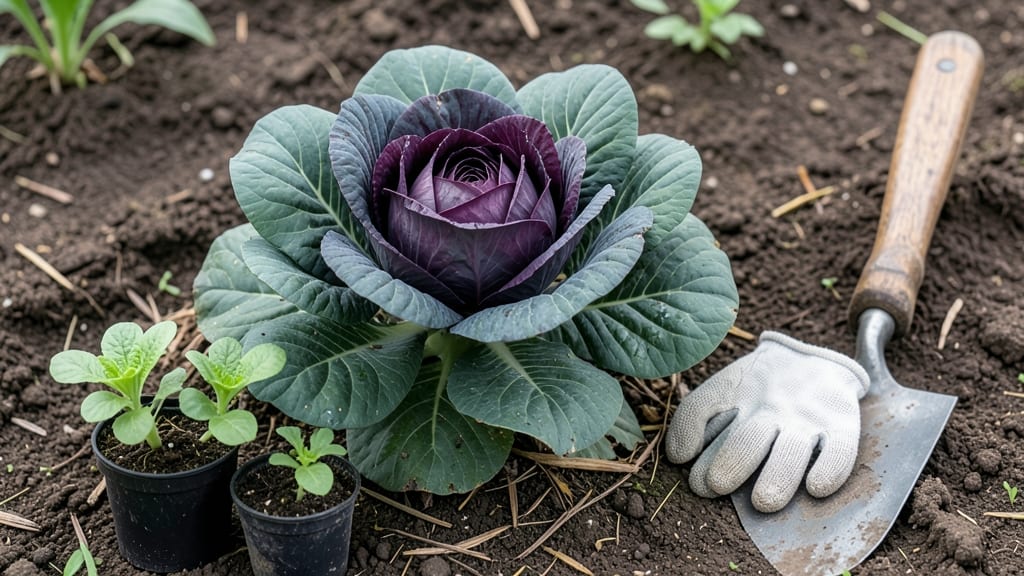
Timing your 🥬 cabbage planting in Indiana isn't just about the calendar—it's about avoiding bitter, bolted failures and unlocking sweet, crisp harvests. With USDA zones 5b-6b and unpredictable spring weather, getting the window right means the difference between a thriving garden and wasted effort.
Most gardeners in Indiana plant 🥬 cabbage twice a year: early spring (March-April) and late summer (July-August). But here's the catch—your exact timing depends on whether you're in northern Indiana (closer to zone 5b) or southern Indiana (leaning toward 6b).
Plant too early, and frost will kill your seedlings; too late, and heat will trigger bolting before you harvest.
I'll break down the microclimate-specific deadlines you need to know, including soil temperature thresholds (aim for 45°F+), frost dates, and how to adjust for Indiana's long summer days. Whether you're a first-time gardener or a seasoned Hoosier grower, these insights will help you plan for zero-bolting success.
Ready to grow cabbage that's sweet, firm, and ready to harvest in June-July or October-November? Let's dive into the exact planting windows, soil prep tips, and variety choices that work best for your corner of Indiana.
Indiana’s cabbage planting zones: microclimate deadlines by region
Indiana’s three distinct USDA zones (5b, 6a, and 6b) create unique planting windows for cabbage. Northern Indiana’s colder microclimates demand earlier starts, while Southern Indiana’s milder winters allow later plantings. Understanding your zone’s last frost dates and soil temperature thresholds is critical—cabbage roots need soil at 45°F+ to thrive.
For Northern Indiana (Zone 5b), your planting window is tight: start seeds indoors by March 1 for transplants ready by April 15, or sow directly March 20-April 10. Southern Indiana (Zone 6b) gardeners enjoy a 3-week longer window, with direct sowing possible until April 25.
Fall plantings? Aim for July 15-August 10 statewide to avoid bolting before frost.
Here’s how Indiana’s three regions differ in key planting metrics:
| Region | USDA Zone | Last Frost Date | Spring Planting Window | Fall Planting Window |
|---|---|---|---|---|
| Northern Indiana | 5b | April 15 | March 20-April 10 | July 15-August 5 |
| Central Indiana | 6a | April 20 | March 25-April 15 | July 1-August 10 |
| Southern Indiana | 6b | April 25 | March 30-April 25 | July 10-August 15 |
Direct sowing vs. transplants? Transplants give you a 2-week head start—critical in Zone 5b. Start seeds indoors 6-8 weeks before last frost (so February 1-March 1 for Northern Indiana). For direct sowing, wait until soil temps hit 45°F+—test with a soil thermometer for accuracy.
Bolting risk spikes after June 21 due to Indiana’s long summer days. To avoid this, prioritize fall plantings or choose heat-tolerant varieties like ‘Golden Acre’ or ‘Red Express.’
Southern Indiana’s later frost dates let you push fall plantings until August 15, while Northern Indiana gardeners should finish by August 1.
Microclimates matter too! If you’re in a low-lying area or near large bodies of water, expect 2-3°F cooler temps and adjust planting dates accordingly. Use a frost calendar from your local Purdue Extension office for hyper-localized advice.
For succession planting, sow new seeds every 2 weeks from April through July. This ensures a continuous harvest from June through October. In Southern Indiana, you can even squeeze in a third planting in early September for a late-fall crop.
Remember: Soil prep is just as important as timing. Cabbage thrives in well-draining, slightly acidic soil (pH 6.0-7.0). Work in 2-3 inches of compost before planting, and avoid fresh manure—it can cause bolt-resistant growth.
Indiana’s unpredictable weather means flexibility is key. Keep a planting journal to track your local microclimate’s quirks—your future cabbage crops will thank you with crisp, sweet heads instead of bitter, bolted failures.
How to time cabbage planting for zero bolting: soil temp, day length, and heat tolerance triggers
Cabbage bolting—when it prematurely flowers and goes to seed—is every Indiana gardener’s nightmare. The good news? You can prevent bolting by mastering three key triggers: soil temperature, day length, and heat tolerance.
In Indiana’s climate, these factors combine to create a perfect storm for bolting if you’re not careful.
First, soil temperature is your biggest ally. Cabbage thrives when soil stays between 55–75°F. Below 45°F, growth stalls, and above 80°F, heat stress triggers bolting. Use a soil thermometer to check temps before planting—especially in northern Indiana, where cooler soils linger longer.
Next, Indiana’s long summer days (especially after June 21) send cabbage into bolting mode. Cabbage is a short-day plant, meaning it senses daylight length. Planting after early July risks bolting before harvest. For fall crops, aim to finish heads by October 20, before frost hits.
Finally, heat tolerance varies by variety. ‘Golden Acre’ and ‘Red Express’ handle heat better than delicate varieties like ‘Early Jersey Wakefield’. If you’re planting in July or August, choose heat-tolerant types and provide afternoon shade during heatwaves.