
Flowers
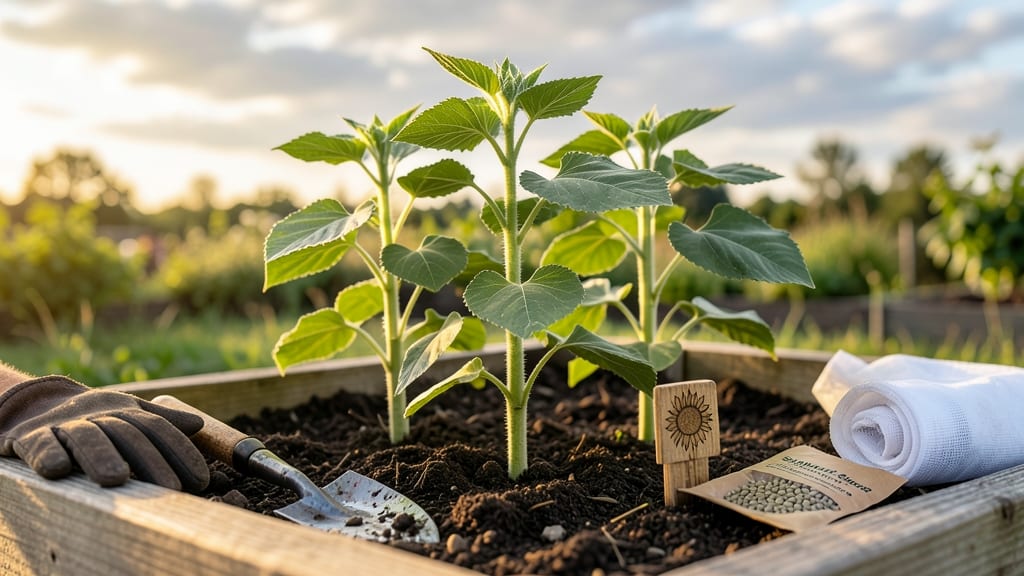
Planting sunflowers in Michigan isn’t just about timing—it’s about catching that sweet spot between spring’s last frost and summer’s rush. If you miss the window, you’ll either face frost damage or watch your blooms wilt before they fully mature.
The key is knowing exactly when to plant for your specific zone, whether you’re in northern 5b or southern 6b Michigan.
For most Michigan gardeners, the ideal time to plant sunflower seeds is between mid-April and mid-June, but this depends on your last frost date. Planting too early risks frost damage, while waiting too late may leave you with shorter, less vibrant 🌻 sunflowers.
The secret? Start seeds indoors 4-6 weeks before your last frost or sow directly when soil temperatures hit 50°F.
You’ll also want to consider your sunflower variety—taller types need more time to reach their full potential, while dwarf varieties can handle later plantings.
Whether you’re growing for cut flowers or bird feed, spacing and companion plants (like beans or borage) can make all the difference in Michigan’s 140-160 frost-free days.
Let’s break down the exact weeks before last frost for your zone, plus tips for adjusting to Michigan’s unpredictable spring. You’ll leave here with a clear plan to maximize your sunflower’s growth and enjoy those towering blooms from July to October.
Michigan sunflower planting calendar: exact weeks before last frost by zone
Michigan’s USDA Zones 4-6 create unique challenges for sunflower planting, where last frost dates can vary by 2-3 weeks from northern Lower Peninsula to southern regions. To maximize your sunflower’s 50-120 day growth cycle, timing is critical—especially since giant varieties need the full 140-160 frost-free days Michigan typically offers.
Most Michigan gardeners aim to plant sunflowers 2-4 weeks after the last frost date, but soil temperature matters more than air temperature. Sunflowers germinate best at 50°F+, so wait until your soil warms up—even if mornings still feel chilly.
Northern Michigan (Zone 4) may need to wait until mid-May, while southern Michigan (Zone 6) can start as early as late April.
Pro Tip: Use a soil thermometer to confirm readiness—50°F+ is your green light. For direct sowing, plant seeds 1/2 inch deep and 12-24 inches apart, depending on your chosen variety. Transplants can go in slightly earlier, but sunflowers prefer not to be disturbed.
| Zone | Avg. Last Frost | Planting Window | Soil Temp | Notes |
|---|---|---|---|---|
| 4a (Northern MI) | May 10-15 | May 15-June 1 | 50°F+ | Choose early varieties (50-60 days) |
| 5a (Upper Peninsula) | May 5-10 | May 10-June 5 | 50°F+ | Use row covers for early starts |
| 5b (Central MI) | April 25-May 5 | May 1-June 10 | 50°F+ | Ideal for medium-height varieties |
| 6a (Southern MI) | April 15-20 | April 25-June 15 | 50°F+ | Perfect for giant varieties (100+ days) |
For succession planting, Michigan gardeners can make 2-3 sowings spaced 2 weeks apart to enjoy blooms from July through September. This works especially well for dwarf varieties (like 'Teddy Bear'), which mature faster and won’t overwhelm your space.
If you’re growing giant sunflowers (like 'Mammoth'), stick to one early planting—these need the entire season to reach their full 10-14 foot potential.
Don’t forget that Michigan’s microclimates can create big differences even within zones. Urban areas often warm up faster than rural spots, while low-lying gardens may hold frost longer. If you’re near Great Lakes shorelines, expect cooler soil that delays planting by 1-2 weeks compared to inland areas.
Late Planting Option: If you miss the spring window, you can try late June plantings for smaller but still beautiful sunflowers. These won’t reach full height but will still produce edible seeds and attract pollinators. Just choose fast-maturing varieties (like 'Autumn Beauty') with 60-70 day growth cycles.
Always test your soil pH before planting—sunflowers prefer 6.0-7.5. If your soil is too acidic, add lime in early spring to give your sunflowers the best start. Well-draining soil is another must; sunflowers hate soggy roots, which can lead to rot and stunted growth.
Remember: Sunflowers are tough plants that can handle Michigan’s hot summers and unpredictable rains. With the right timing, you’ll have vibrant blooms that bring joy to your garden and food for birds all season long. 🌻
How to adjust sunflower planting for Michigan’s unpredictable spring weather
Michigan’s spring weather can be as unpredictable as a sunflower in a breeze—one day frost, the next 70°F. To protect your seedlings, I’ve learned to use row covers and cold-hardy varieties like ‘Autumn Beauty’.
These tricks help extend your planting window beyond the average last frost date, giving you flexibility when Mother Nature throws curveballs.
Start by checking soil temperatures with a soil thermometer—sunflowers need 50°F+ to germinate properly. If your last frost is late, opt for succession planting: sow seeds every 2 weeks from mid-April to early June.
This ensures a continuous harvest from July to October, even if early plantings get nipped by frost.
For extra protection, use lightweight row covers or cloches over young seedlings. These create a microclimate that shields plants from late frosts while allowing sunlight to penetrate. Remove covers once plants are 6 inches tall to prevent overheating.
Michigan’s false springs can trick you into planting too early. If nighttime temps drop below 40°F, cover seedlings immediately. Even ‘Moulin Rouge’ (a cold-tolerant variety) can suffer if exposed to frost after sprouting.
Pro Tip: Use black plastic mulch to warm soil faster and deter weeds. It’s a game-changer for northern Michigan gardens where springs linger cold.
Another strategy? Plant dwarf varieties like ‘Teddy Bear’ later in the season. These mature faster (in 50-60 days) and can handle cooler soils. Pair them with warm-season companions like beans or borage to improve soil health and deter pests.
Don’t forget to monitor moisture levels during unpredictable springs. Sunflowers need 1-2 gallons of water every 3-5 days, but overwatering can lead to root rot in cool, damp soil. Use a drip irrigation system to deliver water directly to roots without wetting foliage.
Finally, keep an eye on the weather forecast for heatwaves after planting. If temps soar above 85°F, provide afternoon shade with shade cloth to prevent bolting (premature flowering). With these adjustments, you’ll turn Michigan’s unpredictable spring into your sunflower’s superpower.