
Flowers
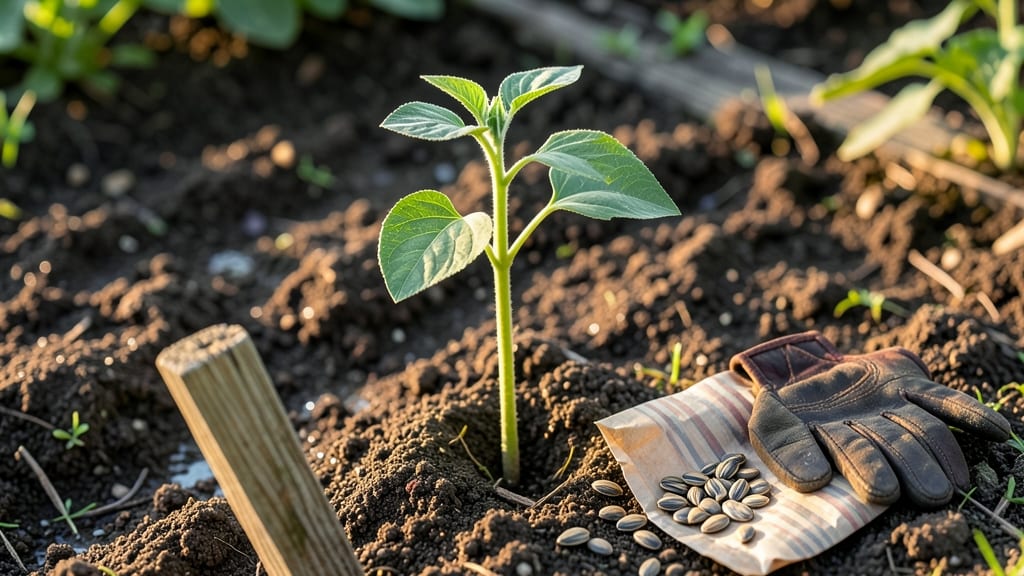
Planting sunflowers in Tennessee at the wrong time could leave you staring at a sad, frost-nipped sprout instead of a towering 🌻 beauty.
The key to success lies in understanding your local frost dates and soil temperatures—because timing these spring giants right means the difference between a garden showstopper and a wasted seed packet.
Most Tennessee gardeners in zones 6a-7b should aim for mid-April to early June, but don’t just guess—your last frost date (which varies from Nashville to Knoxville) dictates everything.
Plant too early, and you risk losing tender seedlings to unexpected cold snaps. Too late, and your sunflowers might bolt before they reach their full 8-14 ft potential.
I’ll walk you through the exact planting windows for your region, plus pro tips for soil prep, spacing, and post-planting care to ensure your sunflowers thrive. Whether you’re growing ‘Teddy Bear’ dwarfs or ‘Russian Giant’ stalwarts, this guide keeps your sunflowers on track for a July-October harvest.
Ready to turn your garden into a sunflower paradise? Let’s dive into the deadlines, varieties, and tricks that work for Tennessee’s climate—so you can enjoy those golden blooms all season long.
Tennessee sunflower planting deadlines by frost Zone (avoid these common mistakes)
Tennessee’s USDA Hardiness Zones 6b-8a create a unique challenge for sunflower lovers—one wrong move with timing can mean frost damage or stunted growth. The key is planting after your last frost date but before summer’s brutal heat sets in.
For most of Tennessee, this window is mid-April to early June, but your exact deadline depends on where you live.
Let’s break down the critical planting windows for Tennessee’s major cities and regions. Nashville (Zone 7a) has a last frost date around April 15, while Memphis (Zone 8a) can plant as late as April 30.
Chattanooga (Zone 7b) falls in the middle with a mid-April deadline, and Knoxville (Zone 6b) needs to plant by April 20 at the latest to avoid frost risk.
Here’s the comparison-table showing your exact planting deadlines, frost risk windows, and ideal soil temperatures for sunflowers in Tennessee:
Avoid the #1 mistake Tennessee gardeners make: planting sunflowers too early and risking frost damage. If you’re in Zone 6b (Knoxville), wait until after April 20—any earlier and your seedlings could turn to mush overnight.
For Zone 8a (Memphis), you’ve got a little more wiggle room, but don’t push it past early June or your sunflowers will bolt (flower too quickly) in the heat.
Pro tip: Use NOAA’s Frost/Freeze Product to double-check your local last frost date. Even a light frost (28°F) can kill sunflower seedlings, so don’t skip this step. For extra safety, plant after May 1 if you’re unsure—your sunflowers might be shorter, but they’ll survive.
Another critical factor is soil temperature. Sunflower seeds need soil temps of at least 55°F to germinate. In Tennessee’s cooler zones (like Knoxville), this might not happen until mid-May.
Use a soil thermometer to check—if it’s below 55°F, wait a few more days or use black plastic mulch to warm the soil faster.
For direct sowing (planting seeds directly in the ground), aim for 2-3 weeks after your last frost date. If you’re transplanting seedlings, start them indoors 4-6 weeks before your last frost.
But be warned: sunflowers hate being transplanted, so direct sowing is usually the better option in Tennessee’s climate.
One last warning: Don’t plant sunflowers in July or August unless you’re growing a heat-tolerant variety like ‘Russian Giant.’ The summer heat can cause sunflowers to bolt prematurely (shoot up a stalk but produce tiny, underdeveloped flowers).
If you’re itching to grow sunflowers later in the year, consider fall planting in September for a late-season harvest.
Ready to plant? Grab your soil thermometer, mark your last frost date, and get those seeds in the ground before Tennessee’s heat sets in. Your sunflower dreams are about to come to life! 🌻
How to extend your sunflower growing season in Tennessee (even after official deadlines)
Tennessee’s last frost dates can feel like a hard deadline, but with the right strategies, you can push your sunflower growing season well beyond the typical April-June window. Many gardeners in USDA zones 6b-7b miss out on late-season blooms because they assume the season ends with the first frost.
Don’t let that happen—here’s how to keep your sunflowers thriving even when the calendar says it’s time to quit.
First, focus on cold-hardy varieties like ‘Moulin Rouge’ or ‘Autumn Beauty’, which tolerate cooler temperatures better than standard types. These varieties can handle light frosts and still produce stunning blooms.
Pair them with row covers or cloche protection to shield tender seedlings from unexpected cold snaps in September or October.
Another game-changer is staggered planting. Instead of planting all your seeds at once, sow a fresh batch every 2-3 weeks from April through July. This ensures a steady supply of blooms from July through October, giving you a near-continuous display.
For example, plant one batch in early April, another in mid-May, and a final batch in late June. Each batch will mature at different times, extending your harvest window.
Don’t overlook the power of soil preparation. Late-season sunflowers need well-draining soil that stays warm enough to support growth. Amend your soil with compost or aged manure before planting to improve fertility and moisture retention.
If your soil is slow to warm in spring, consider using black plastic mulch to raise soil temperatures by 5-10°F, which can jumpstart growth for late plantings.
Finally, keep an eye on the weather forecast and be ready to act. If a light frost (28°F+) is predicted, cover your sunflowers with a frost blanket or move potted plants to a sheltered spot.
Even a few degrees of protection can mean the difference between a wilted seedling and a thriving plant. With these tactics, you can enjoy sunflower blooms well into fall, long after most gardeners have packed up their tools.
Extend your sunflower season with confidence—your garden (and pollinators!) will thank you for the extra blooms. 🌻