
Companion Plants
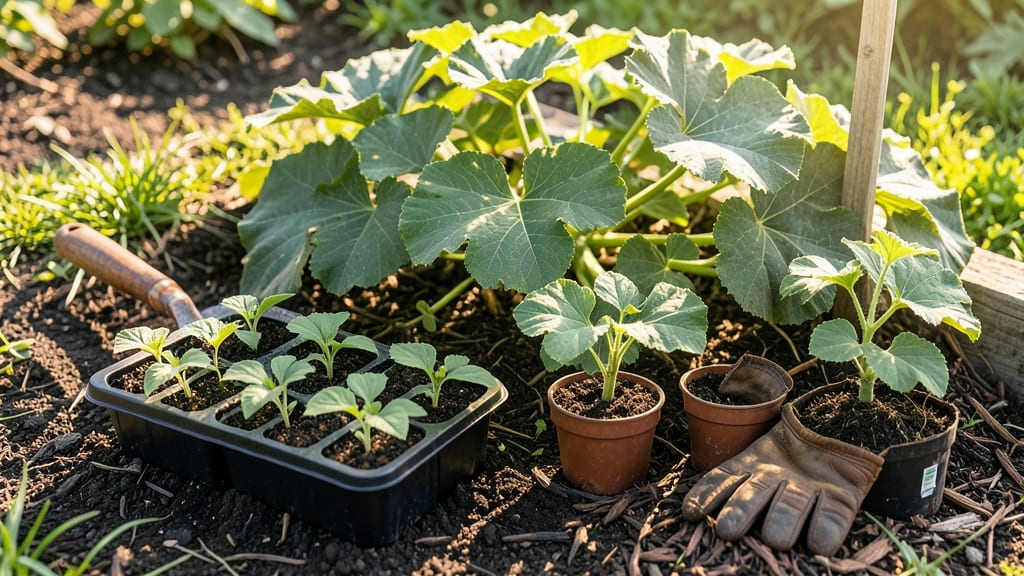
Timing your pumpkin 🎃 planting in Michigan isn’t just about throwing seeds into the dirt—it’s the difference between a bountiful harvest and wasted effort. With Michigan’s 5b-6b climate, you’ve got a narrow window to get those vines growing before summer slips away.
Most gardeners here make one of two mistakes: planting too early (and watching frost nip tender seedlings) or waiting too long (and ending up with undersized gourds). The key?
Start seeds indoors 4-6 weeks before your last frost date—usually late April to early May—so they’re ready to hit the garden by mid-May when soil warms to 70°F+.
But here’s the catch: Michigan’s weather is unpredictable, and not all pumpkin varieties play nice with our short growing season. If you’re growing 90-day varieties, you’ll need to time it perfectly to beat that first frost in October.
I’ll break down exactly when to plant—plus how to adjust for your specific corner of the state—so you can avoid the most common pitfalls.
Ready to turn your garden into a pumpkin patch? Let’s dive into the exact planting schedule, soil prep tips, and pro tricks to maximize your harvest—no guesswork required.
Michigan pumpkin planting dates by USDA Zone (with frost-date calculator)
Michigan’s USDA Zones 5b-6b create a unique challenge for pumpkin growers because our last frost dates shift dramatically from southern Michigan (Zone 6b) to northern regions (Zone 5b).
For 90-day pumpkin varieties—the most popular for home gardens—you need a 150-day frost-free window to ensure a full harvest before first frost in October.
Most Michigan gardeners aim to plant pumpkin seeds 2-3 weeks after your last frost date, once soil temperatures hit at least 70°F (21°C). This timing balances the risk of early frost damage with the need for warm soil to prevent seed rot.
Let’s break down the exact planting windows for your specific zone.
🌱 Michigan Pumpkin Planting Timeline by USDA Zone
| Zone | Avg. Last Frost | Planting Window | Harvest Window | Notes |
|---|---|---|---|---|
| 5b (Northern MI) | May 15–20 | June 1–15 | Sept 20–Oct 5 | Use black plastic mulch to warm soil faster. |
| 6a (Central MI) | May 5–10 | May 25–June 5 | Sept 25–Oct 10 | Extend season with row covers if frost threatens. |
| 6b (Southern MI) | April 25–May 5 | May 15–25 | Oct 1–15 | Longest growing season—ideal for large varieties like Atlantic Giant. |
To calculate your exact last frost date, use this simple formula based on Michigan’s historical data: Last Frost Date = April 15 + (Your County’s Avg. Frost-Free Days ÷ 2).
For example, Detroit (Zone 6b) averages 160 frost-free days, so their last frost is around May 5. Adjust for 3-4 weeks earlier if you’re using 75-day varieties like ‘Jack Be Little.’
Pro tip: Check the Michigan State University Extension’s frost date map for your specific county, as urban areas (like Ann Arbor) often warm up 1-2 weeks earlier than rural zones. This microclimate shift can mean the difference between a bountiful harvest and wasted seeds.
If you’re unsure about your zone, grab a soil thermometer and wait until the soil hits 70°F at 4 inches deep—this is your green light to plant.
Cold soil slows germination, and pumpkin seeds rot if planted too early. Direct-sow seeds (don’t transplant seedlings) for the best results, as pumpkins hate root disturbance.
For northern Michigan gardeners (Zone 5b), consider starting seeds indoors 4-6 weeks before your last frost in biodegradable pots, then transplant after soil warms. Use black plastic mulch to raise soil temps by 5-10°F and speed up growth. This trick adds 2-3 weeks to your effective growing season.
Remember: Pumpkins need space—each vine spreads 10-20 feet, so plan for 50+ square feet per plant. In tight spaces, choose bush varieties like ‘Small Sugar’ (75 days) or ‘Jack Be Little’ (80 days), which stay under 3 feet tall.
🎃
5 Critical factors that determine your Michigan pumpkin planting timeline
Michigan’s short growing season means pumpkin planting isn’t just about dates—it’s about soil science, microclimates, and smart prep. While frost dates give you the big picture, these 5 critical factors will make or break your harvest. Let’s break them down so you can plant with confidence, not guesswork.
First, soil temperature is non-negotiable. Pumpkin seeds need 60°F+ soil to germinate, but vines thrive at 70°F+. In Michigan, this usually means waiting until mid-to-late May—but urban areas (like Detroit) warm faster than rural spots near the Great Lakes. Use a soil thermometer to check before planting.
Next, microclimates create hidden opportunities. A south-facing slope in your yard might warm weeks earlier than your neighbor’s flat ground. If you’re in USDA Zone 5b (northern Michigan), prioritize these warm spots.
Conversely, low-lying areas stay cold longer—avoid them for pumpkins unless you’re using black plastic mulch to warm the soil.
Now, let’s talk seed starting methods. Most Michigan gardeners skip indoor starts for pumpkins (they’re large-seeded and slow to transplant), but if you’re in Zone 5b, starting seeds indoors 4-6 weeks before your last frost can give you a 2-week head start.
Use biodegradable pots to avoid root shock when transplanting.
Don’t overlook row covers or mulch—these are your secret weapons for extending Michigan’s growing season. Black plastic mulch warms soil by 10°F+ and suppresses weeds, while floating row covers protect seedlings from late frosts. I’ve seen gardeners in Traverse City push their harvest by 3 weeks using these tricks.
Finally, variety selection ties it all together. Stick to 90-day varieties like ‘Howden’ or ‘Small Sugar’ for Michigan’s climate. Avoid 100+ day varieties unless you’re in Zone 6b (southern Michigan) with a long, hot summer. Even then, late blight risks rise in humid Michigan summers—so choose disease-resistant strains when possible.
Pro tip: Bookmark your local Michigan State University Extension frost date calculator. It adjusts for your specific county, accounting for lake-effect delays in northern regions. With these factors in mind, you’ll plant pumpkins like a pro—no more frost-damaged seedlings or underripe gourds!
Wait for 60°F+ (germination) and 70°F+ (growth). Use a soil thermometer in May.
South slopes warm 2 weeks earlier than low areas. Plant near sunny fences or buildings.
Direct-sow after frost, but Zone 5b gardeners can start indoors 4-6 weeks early in biodegradable pots.
Black plastic mulch adds 10°F to soil. Row covers protect from late frosts.
Stick to 90-day varieties. Avoid 100+ day unless in Zone 6b.