
Plants
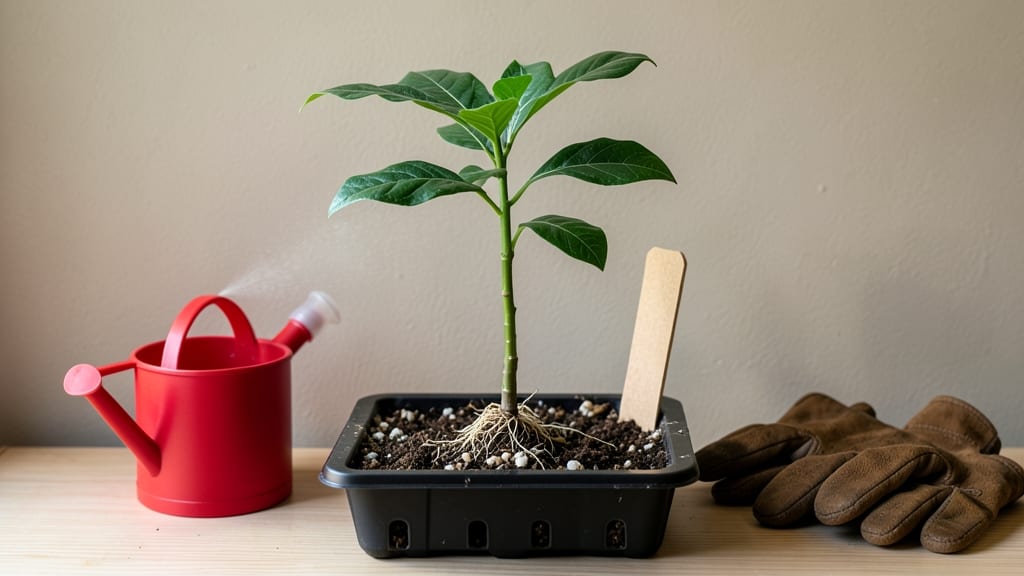
There’s nothing quite like watching a tiny avocado seed transform into a thriving tree, but knowing when to plant an avocado seed in the dirt is the key to success. Planting your seed too early risks frost damage, while waiting too long could mean it never sprouts.
The secret lies in understanding your climate zone and the perfect moment to transition from water to soil.
If you’re in USDA Zone 6a or colder, your best bet is to start indoors in late winter—around February or March—so you’re ready to plant outside after the last frost in April.
Warmer zones (like 9-11) can plant directly in soil as early as March, but soil temperature matters just as much as the calendar. Too cold, and your seedling struggles; too hot, and it dries out.
Most avocado seeds take 4 to 12 weeks to germinate, so patience is your ally. You’ll know it’s time to plant when you see those first green leaves and a sturdy root base.
Whether you’re a beginner or a seasoned gardener, this guide will help you avoid common pitfalls and set your seedling up for long-term growth.
Let’s break down exactly when to plant, how to prep your seed, and what to watch for in the weeks ahead. Your future 🥑 avocado tree starts with the right timing—and we’ve got you covered.
Best planting months for avocado seeds by USDA hardiness Zones
Timing your avocado seed planting is critical—especially since these tropical trees hate cold soil and frost. In USDA Zones 9-11, you can plant seeds directly in warm soil as early as February, but gardeners in Zones 7-8 must wait until April or May to avoid frost damage.
The key is soil temperature: aim for 65°F+ to trigger germination.
For colder climates (Zones 6 and below), start seeds indoors in water 8-12 weeks before your last frost date, then transplant seedlings into well-draining soil after Memorial Day.
This two-step process gives your seedling a head start against late spring chills that can stunt growth or kill young roots.
Here’s the golden rule: Never plant avocado seeds in cool, wet soil—they’ll rot before sprouting. Instead, wait until your region’s average last frost has passed and soil temps consistently stay above 60°F. Use a soil thermometer to check if you’re unsure.
If you’re in a transition zone (Zone 8), err on the side of caution—plant seeds in late May to avoid May frosts, which can blacken leaves and shock roots. Use a cloche or row cover for the first 2 weeks to protect tender seedlings from unexpected cold snaps.
Pro tip: Test your soil 24 hours before planting by burying a thermometer 2 inches deep. If it reads below 60°F, delay planting or use a heat mat for containers. Warm soil speeds up germination from 4-6 weeks to just 2-3 weeks!
For container gardening, you can plant seeds earlier (as early as March in Zones 8-11) because pots warm up faster in sunlight. Just move containers indoors if night temps dip below 50°F. This flexibility lets you start the process sooner without risking frost damage.
Remember: Avocado seeds are finicky. Even with perfect timing, only 30-50% of seeds germinate successfully. That’s why I recommend planting 3-4 seeds at once—it increases your odds of getting at least one healthy sapling to transplant.
Once your seedling reaches 6-12 inches tall (usually 3-6 months after planting), it’s ready for its permanent outdoor home. But hold off until all danger of frost has passed—even a light freeze can kill young avocado trees.
Best planting months for avocado seeds by USDA hardiness Zones
Avocado seeds thrive when planted at the right time, but the perfect window depends on your USDA hardiness zone. In Zones 9-11, you can plant directly in soil as early as March, when soil temperatures consistently stay above 60°F (15°C).
In colder zones like 6a-8b, start seeds indoors in February and transplant outside after the last frost in April or May.
Soil temperature is critical—avocado seeds need warmth to germinate. Use a soil thermometer to confirm it’s at least 65°F (18°C) before planting. In frost-prone areas, wait until nighttime temperatures stay above 50°F (10°C) to avoid shock.
If you’re unsure, err on the side of waiting; avocado seedlings are delicate in their early stages.
Here’s how to align your planting with your zone:
If you’re in a temperate zone (7 or below), consider starting your avocado seed in water indoors first. Once it develops a 2-inch root system and 1-2 leaves, it’s ready to transition to soil.
This method gives you more control over timing and reduces the risk of frost damage. Just be sure to acclimate your seedling gradually to outdoor conditions over 1-2 weeks before planting.
Pro tip: In warmer zones, you can also plant avocado seeds in late summer (August–September) for a second growth cycle, but germination may take longer due to cooler soil temperatures. Monitor your seed closely and adjust watering to keep the soil consistently moist but not soggy.
Remember, avocado trees are tropical plants at heart. They crave warmth and hate cold snaps. By aligning your planting with your zone’s frost dates and soil conditions, you’ll give your seedling the best shot at thriving from day one. 🌱