
Plants
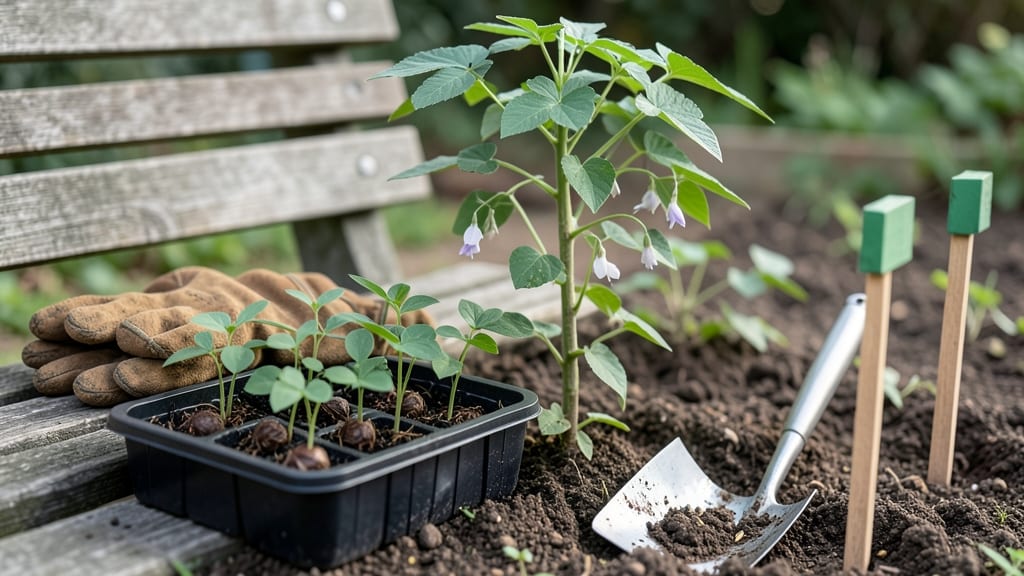
Timing your beans planting in North Carolina isn’t just about following a calendar—it’s about avoiding bitter, stringy pods and maximizing your harvest. With USDA zones 7a-8b offering two prime windows (spring and fall), getting the dates right means the difference between a thriving garden and wasted effort.
Most gardeners in NC rush to plant too early, only to watch their 🌱 beans bolt before producing a single pod. The key? Wait until soil temperatures hit at least 55°F—that’s typically after March 15 for spring plantings and before August 15 for fall.
But here’s the catch: coastal areas and Piedmont regions can vary by weeks, so local frost dates matter more than blanket rules.
Whether you’re growing bush beans for quick harvests or pole beans for vertical space, this guide breaks down the exact deadlines for your zone. Learn how to stretch your season with succession planting, spot the first signs of bolting, and pick varieties that thrive in NC’s heat—without the guesswork.
Ready to turn your garden into a bean bonanza? Let’s dive into the zone-specific strategies that’ll keep your plants happy and your table stocked from June through October.
NC planting zones & exact dates to avoid bean bolting
North Carolina's USDA zones 7a-8b create a perfect environment for growing beans, but timing is critical to prevent bolting—when plants flower prematurely and produce bitter pods. The key is planting when soil temperatures consistently reach 60°F+ and after the last frost date, which varies by region.
For coastal NC (Zone 8a-8b), you can start as early as mid-March, while mountain regions (Zone 7a) should wait until mid-April.
Beans thrive in warm soil, and planting too early—when nighttime temperatures dip below 50°F—triggers bolting. I’ve learned this the hard way after watching my Blue Lake beans flower in just 10 days when planted in chilly March soil.
The solution? Use a soil thermometer to confirm 60°F+ before sowing seeds 1 inch deep.
Here’s the zone-specific planting timeline I follow to avoid bolting and maximize yields:
| Zone | Last Frost Date | Ideal Planting Window | Soil Temp Threshold | Notes |
|---|---|---|---|---|
| 7a (Mountains) | April 15 | April 20 - May 10 | 60°F+ | Wait for consistent warmth; use row covers if nights are chilly. |
| 7b (Piedmont) | March 30 | April 1 - April 25 | 60°F+ | Direct-sow after last frost; avoid overcrowding for bush varieties. |
| 8a (Coastal Plain) | March 15 | March 20 - April 15 | 55°F+ (earlier possible) | Start pole beans first for longer harvests; succession plant every 2 weeks. |
| 8b (Southeast NC) | March 1 | March 10 - April 10 | 55°F+ | Extend season with fall plantings (July-August) for late harvests. |
For fall plantings, aim for July 15 - August 15 in all zones. Beans sown after August 15 may not mature before the first frost, but varieties like 'Contender' tolerate cooler temps better than 'Kentucky Wonder'.
I’ve had success with fall plantings in Zone 8a by using black plastic mulch to warm the soil.
Microclimates play a huge role in NC. If you’re in a valley or low-lying area, you can plant 2-3 weeks earlier than the zone average. Conversely, higher elevations may need to wait until May 1 to avoid bolting.
Always check your local frost dates via the NC State Climate Office for precision.
Pro tip: Bush beans like 'Blue Lake' mature faster (50-60 days) and are better for early plantings, while pole beans like 'Rattlesnake' take 60-70 days but produce longer. Plant pole beans first in spring for a staggered harvest.
Finally, avoid planting beans where legumes grew last year to prevent soil-borne diseases. Rotate with brassicas (kale, cabbage) or solomon’s seal to keep your soil healthy.
How to extend your bean harvest season in North Carolina
North Carolina gardeners can enjoy fresh beans from June through October with the right strategies. The secret? Succession planting and smart variety choices. Instead of one big planting, try weekly sowings every 10-14 days after your first planting date.
This ensures a continuous supply of tender pods while avoiding the "all-at-once" harvest that leads to wasted beans.
For cooler months, use row covers or cold frames to extend your fall harvest. These simple tools can push your planting window back by 3-4 weeks, giving you beans when most gardeners have already packed it in. Just
Not all bean varieties play well in NC’s heat. Heat-tolerant varieties like 'Contender' and 'Blue Lake' thrive in our summer conditions, while cooler-loving types like 'Kentucky Wonder' bolt faster. Choose based on your planting window—spring plantings can handle more delicate varieties, while fall plantings need heat-resistant picks.
🌱
- 1 Calculate your last harvest date: Subtract your bean variety’s days to maturity (e.g., 60 days) from your first frost date (typically November 15). For example, if your variety takes 60 days, your last planting should be by September 15.
- 2 Space plantings by 10-14 days: For a continuous harvest, sow new seeds every two weeks after your initial planting. This ensures overlapping maturity windows and avoids gaps in your harvest.
- 3 Use row covers for late fall: Extend your season by 3-4 weeks with lightweight row covers. Remove them during the day for pollination, then replace them at night to protect from chilly temperatures.
Pole beans are your best friend for extending harvests—they produce longer and can be trained vertically to save space. Plant them in late July for a fall harvest, and use trellises to maximize your garden’s vertical potential.
Bush beans, while quicker to mature, benefit from staggered plantings to keep the harvest flowing.
Don’t forget about soil health—beans are nitrogen-fixers, so they improve soil over time. But for maximum productivity, add a compost top dressing before each new planting. This keeps your soil fertile and your beans thriving through multiple harvest cycles.
With these strategies, you’ll turn your NC garden into a bean-producing machine, enjoying fresh pods from June through October without the risk of bolting or wasted harvests. Happy planting!