
Plants
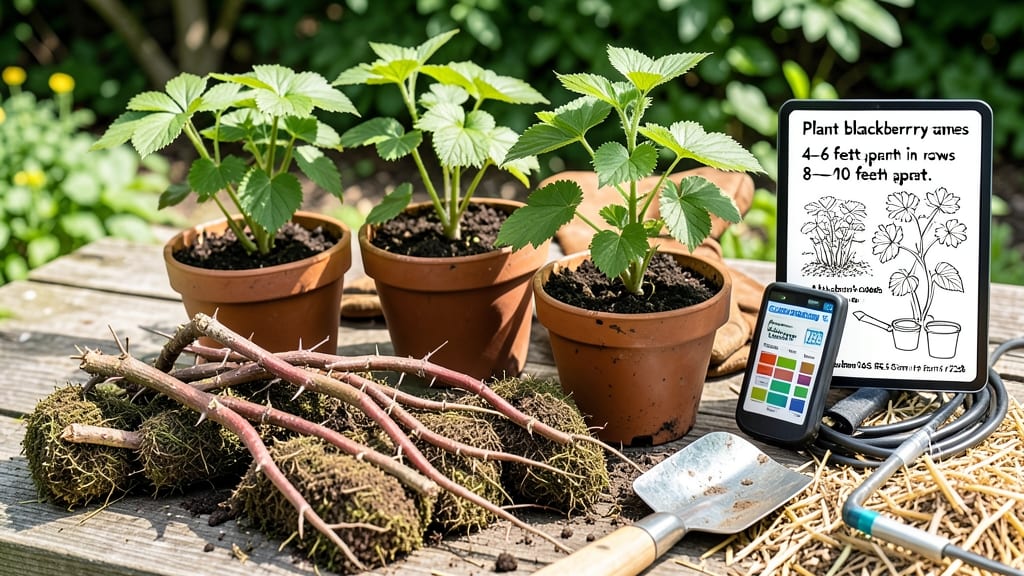
Timing your blackberry planting in Oklahoma can mean the difference between a bountiful harvest and struggling plants—especially when you're dealing with the state's unpredictable weather swings. Whether you're a seasoned gardener or just starting with 🫐 blackberries, getting the timing right is the key to success.
Oklahoma's USDA zones 6a-8a offer two prime windows for planting: late winter to early spring (February-March) and early fall (September-October). These periods give your blackberries the best chance to establish strong roots before facing extreme heat or cold.
The wrong timing could leave your plants vulnerable to frost damage or heat stress.
I've seen firsthand how critical this is—planting too early can expose young roots to freezing temperatures, while waiting too long might delay the plant's ability to grow before summer's heat arrives.
Let me walk you through the exact timing and preparation steps that will set your blackberries up for a thriving season.
From soil prep to variety selection, we'll cover everything you need to know to make this your most successful blackberry-growing year yet. Ready to get started?
Best planting months for blackberries in Oklahoma’s climate zones
Oklahoma’s USDA Hardiness Zones 6b-8a create a tricky balance for blackberry growers. The last frost date varies wildly—from late February in southern Oklahoma to early April in the Panhandle.
Planting at the wrong time risks frost damage or stunted growth, but timing it right means juicy summer harvests from June to August.
For most of Oklahoma, late winter to early spring (February-March) or early fall (September-October) are your best bets. Northern regions should lean toward spring planting, while southern areas can extend into fall.
The key is soil temperature—wait until the ground warms to at least 50°F (10°C) for roots to establish properly.
Let’s break down the ideal planting windows by zone and season, so you can avoid common mistakes like planting too early and risking frost damage or too late and missing the growing season.
Here’s a quick reference for Oklahoma’s planting zones:
| Zone | Best Spring Planting | Best Fall Planting | Soil Temp Threshold | Key Consideration |
|---|---|---|---|---|
| 6b (Northern OK) | Mid-March to early April | Late September to early October | 50°F (10°C) | Avoid late frosts; use frost cloth if needed |
| 7a (Central OK) | Late February to March | Mid-September to October | 50°F (10°C) | Balanced window; both seasons work |
| 7b-8a (Southern OK) | January to early March | October to November | 55°F (13°C) | Fall planting extends growing season |
Spring planting gives your blackberries a head start in Oklahoma’s warm season, but fall planting has its perks too. In southern Oklahoma (Zones 7b-8a), fall planting lets roots establish before winter, leading to earlier fruit production the following year.
Just avoid planting too late—October 15th is your cutoff to allow roots to harden off before frost.
One mistake I’ve seen Oklahoma gardeners make is planting bare-root canes too early in spring, only to have them freeze back. Always check your local frost dates (use the Old Farmer’s Almanac for guidance) and wait until the threat of frost has passed.
For potted blackberries, you have slightly more flexibility—plant them as soon as the soil is workable, even if it’s a few weeks before the ideal window.
If you’re in northern Oklahoma (Zone 6b), prioritize spring planting. The shorter growing season means fall planting is riskier, and you’ll want to maximize summer growth. Use row covers in early spring to protect young canes from late frosts, which can delay harvests by weeks.
For southern Oklahoma growers, fall planting is often the better choice. The milder winters mean your plants can establish roots without the stress of freeze-thaw cycles. I’ve had great success planting ‘Natchez’ thornless blackberries in early October—by spring, they’re already sending up vigorous new growth.
Regardless of season, always plant on a cool, cloudy day to reduce transplant shock. Water deeply after planting to encourage root growth, and mulch with 3-4 inches of straw to retain moisture and suppress weeds. This simple step can double your survival rate in Oklahoma’s unpredictable climate.
Finally, remember that blackberries are perennial, meaning they’ll produce fruit for years if planted correctly. Taking the time to choose the right window now will pay off with bountiful harvests for seasons to come.
Best planting months for blackberries in Oklahoma’s climate zones
Oklahoma’s USDA zones 6a-8a create a perfect balance for growing blackberries, but timing is everything. The state’s late winter and early fall windows offer ideal conditions for root establishment before extreme weather arrives.
In northern Oklahoma (zones 6a-7a), aim for March 15-April 15 or September 15-October 15. Southern regions (zones 7b-8a) can extend planting until April 30 or November 1, thanks to later frost dates.
Spring planting gives your blackberries 6-8 weeks of warm soil before summer heat arrives, while fall planting allows roots to establish before winter dormancy. Both methods work, but spring is often preferred for beginners due to easier soil preparation and visible progress.
I’ve found that bare-root canes planted in early spring often outperform those planted in late fall, especially in Oklahoma’s unpredictable spring rains.
Here’s how Oklahoma’s climate zones break down for optimal planting:
| Zone | Best Planting Window | Soil Temp Threshold | Key Consideration |
|---|---|---|---|
| 6a-7a (Northern OK) | March 15-April 15 or Sept 15-Oct 15 | 45°F+ for root growth | Higher frost risk; prioritize fall planting |
| 7b-8a (Southern OK) | March 1-April 30 or Sept 1-Nov 1 | 50°F+ for root growth | Longer growing season; spring planting preferred |
| All Zones | Avoid planting when soil temps exceed 80°F | N/A | Heat stress halts root development |
The last frost date in Oklahoma typically falls between late February and early April, depending on elevation. For example, Tulsa (zone 7a) usually sees its last frost around March 15, while Oklahoma City (zone 7b) averages March 22.
Use these dates as your spring planting deadline—any later, and your blackberries may struggle to establish before summer’s heat arrives.
For fall planting, focus on getting your blackberries in the ground 6-8 weeks before the first expected frost (usually mid-October to early November). This gives roots time to establish before winter dormancy.
I’ve had the most success with September planting in southern Oklahoma, where the soil stays warm longer. In northern areas, aim for mid-September to avoid early cold snaps.
One common mistake I see is planting blackberries too early in spring when the soil is still cold. Blackberries need warm soil (45°F+) to grow roots—planting in chilly conditions can stunt growth.
Always check soil temperatures with a soil thermometer before planting. In Oklahoma’s clay-heavy soils, warming can take longer, so don’t rush!
Pro tip: If you’re planting in late spring (May-June), choose potted blackberries instead of bare-root canes—they’ve already started growing and can better handle the heat. Just be prepared for a smaller first-year harvest as the plant focuses on root establishment.