
Plants
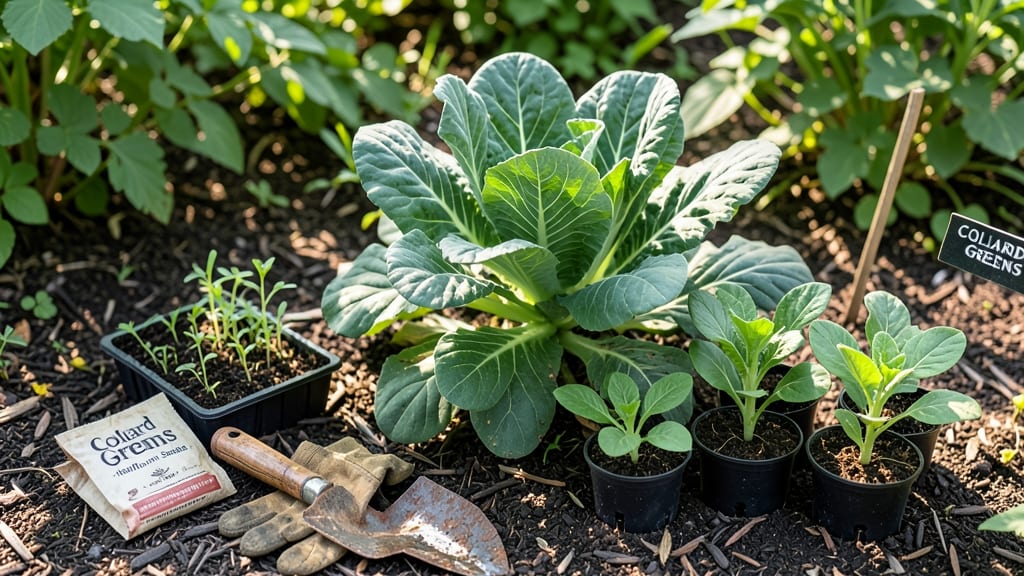
Timing your collard greens planting in Georgia can mean the difference between a thriving garden and a disappointing harvest. With Georgia's unique climate—where warm winters and hot summers create a tricky balance—getting the window right is everything.
Most gardeners in USDA zones 7a-8b swear by early spring (March-April) as the sweet spot, but late summer (August-September) offers a second chance for a fall harvest. The key? Avoid planting too early when soil warmth can trigger bolting, or too late when frost sneaks up faster than you expect.
I’ll break down exactly when to start seeds, how to stretch your growing season, and which varieties handle Georgia’s heat best. Whether you’re a first-timer or a seasoned gardener, these tips will help you grow 🥬 collard greens that stay productive from fall through winter.
Ready to master the art of timing? Let’s dive into the best strategies for your Georgia garden—no more guesswork, just bumper crops.
Georgia’s best planting windows for collard greens: frost dates & heat tolerance
Georgia’s climate creates a unique opportunity for growing collard greens year-round, but the key to success lies in understanding your USDA zone (7a-8b) and regional frost patterns.
Unlike northern states, Georgia’s mild winters and hot summers demand precise timing to avoid bolting in summer heat or frost damage in winter.
The best planting windows focus on two strategies: cool-season growth and heat tolerance. Most gardeners in North Georgia (like Atlanta) aim for early spring (March-April), while South Georgia (near Savannah) can push planting slightly later due to warmer soil. Let’s break down the ideal timing for each approach.
🌱 Visual Tip: Use a frost-free date calculator for your exact location—North GA’s last frost is typically mid-March, while South GA may see frost as late as early February.
| Planting Window | USDA Zone 7a-8b | Key Considerations | Best Varieties |
|---|---|---|---|
| Early Spring (March-April) | Zone 7a: March 15-April 15 Zone 8b: February 28-March 30 |
Soil temps above 50°F; avoid bolting. Ideal for fall/winter harvest. | 'Georgia Southern', 'Top Bunch', 'Blue Max' |
| Late Summer (August-September) | Zone 7a: August 15-September 15 Zone 8b: July 30-August 30 |
Heat-tolerant varieties; harvest before first frost (mid-November). | 'Vates', 'Champion', 'Heirloom Southern' |
| Winter (October-November) | Zone 7a: October 15-November 1 Zone 8b: September 20-October 15 |
Use row covers for frost protection. Harvest before hard freeze. | 'Blue Max', 'Georgia Southern', 'Top Bunch' |
For North Georgia gardeners (like those in Atlanta or Dahlonega), aim to plant 4-6 weeks before your average first frost—typically by mid-September for a fall harvest. In South Georgia (Savannah or Brunswick), you can push planting to early October thanks to warmer microclimates.
Pro tip: If you’re in Zone 8b, you can even try a winter harvest by planting in late September and using mulch or row covers to protect against light frosts (28-32°F). Just avoid planting too early—soil temps above 60°F can trigger bolting before leaves mature.
💡 Heat Tolerance Hack: If summer temps exceed 85°F, opt for shade cloth (30-50%) during peak afternoon heat to prevent stress. Varieties like 'Vates' handle heat better than traditional types.
Finally, always check your local extension office for microclimate adjustments—some areas (like the Blue Ridge Mountains) may have 2-3 weeks earlier frosts than coastal regions. With the right timing, you can enjoy collard greens from fall through winter—or even a second summer crop with heat-tolerant varieties.
Ready to pick your perfect planting window? Start with the table above, then adjust based on your last frost date and soil warmth—your garden will thank you with bold, flavorful leaves all season.
Georgia’s best planting windows for collard greens: frost dates & heat tolerance
Georgia’s climate offers two prime windows for planting collard greens: early spring and late summer. The ideal months are March-April for spring planting and August-September for fall harvests.
North Georgia’s cooler microclimate (USDA zone 7a) allows slightly earlier spring plantings, while South Georgia (zone 8b) can extend fall plantings later.
Your last frost date typically falls around mid-March in most areas, but mountain regions may see frost into April. For fall plantings, aim to finish 6-8 weeks before your first frost (usually mid-November), giving plants time to mature before cold sets in.
Here’s how Georgia’s climate affects your timing:
| Planting Window | USDA Zones | Key Considerations | Best Varieties |
|---|---|---|---|
| Early Spring (March-April) | 7a-8b | Soil temps 50°F+, avoid bolting from warm soil | Vates, Blue Max |
| Late Summer (August-September) | 7a-8b | Heat-tolerant varieties, mulch to retain moisture | Champion, Top Bunch |
| Winter (October-November) | 7a-8b | Frost protection (row covers), cold-hardy types | Georgia Southern, Slow Bolt |
For spring plantings, wait until soil temperatures reach at least 50°F to prevent bolting. Test with a soil thermometer or wait until daffodils bloom—nature’s perfect indicator! In summer, focus on heat-tolerant varieties and provide afternoon shade to protect young plants from scorching.
Georgia’s long growing season (220+ frost-free days) lets you experiment with succession planting. Try sowing seeds every 3-4 weeks from March through September for continuous harvests. Just remember: late summer plantings need extra mulch to keep roots cool during Georgia’s brutal August heat.
Pro tip: Use black plastic mulch in summer to warm soil faster for early spring starts, or straw mulch in fall to insulate roots during winter. Both tricks help you push your planting windows just a little further—critical in Georgia’s unpredictable climate.