
Plants
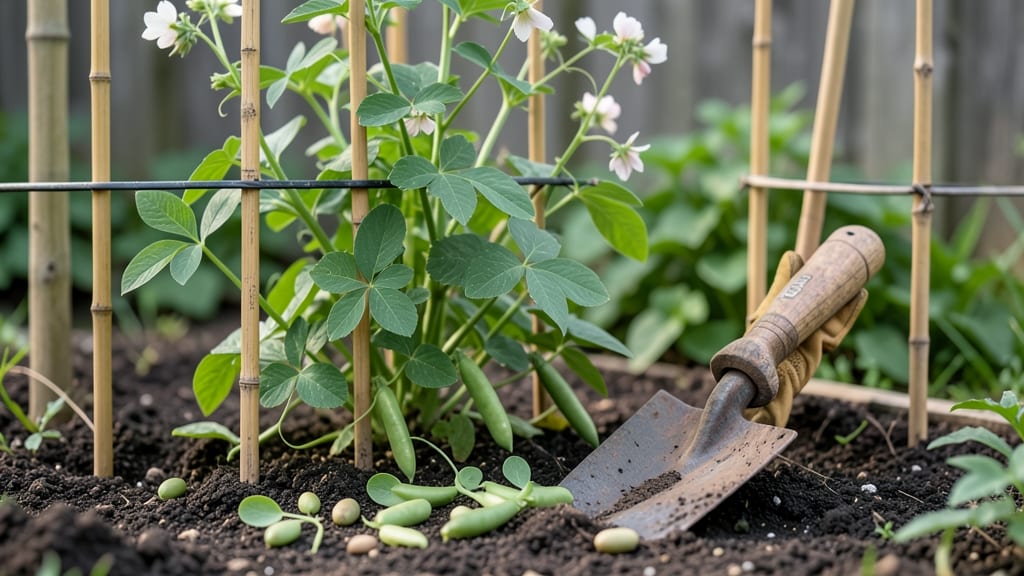
Planting English peas 🌱 at the wrong time in Zone 7 can turn your sweet, tender harvest into bitter disappointment—here’s the exact frost-free window to avoid that risk entirely.
Most gardeners in Zone 7 miss the two best planting windows: early spring (February–March) and late summer (August–September). Timing matters because peas bolt—flower prematurely—when temperatures creep above 75°F, ruining your crop before it even matures.
I’ll show you how to calculate your local last-frost date (typically around March 15 in Zone 7), the 10-day buffer that prevents bolting, and why soil temperature is just as critical as air temperature.
Whether you’re a beginner or a seasoned grower, these strategies will help you harvest plump, sweet peas twice a year—no wasted seeds or bitter surprises included.
Zone 7 English pea planting timeline: avoid bolting with these exact dates
Timing is everything when planting English peas 🌱 in Zone 7. The sweet spot for zero bolting risk is a 4-6 week window before your last frost date—typically February 15 to March 15 for spring. This ensures peas mature before soil temperatures exceed 75°F, which triggers bitter bolting.
For fall planting, aim for August 15 to September 15, giving peas 90-100 days to mature before the first frost (November 15 in Zone 7). These windows align with peas' cool-season needs and avoid heat stress.
Your local last frost date may vary slightly—check your USDA Zone 7a/b microclimate. For example, Zone 7a (colder) might plant until March 20, while Zone 7b (warmer) should finish by March 10 to avoid bolting.
| Planting Window | Soil Temp (°F) | Days to Harvest | Key Consideration |
|---|---|---|---|
| Early Spring (Feb 15 - Mar 15) | 45-65°F | 60-70 days | Avoid late frosts |
| Late Summer (Aug 15 - Sep 15) | 60-70°F | 55-65 days | Prevent heat stress |
| Soil Prep | pH 6.0-7.0 | N/A | Add compost 2 weeks before |
| Frost Buffer | N/A | 10 days | Plant 10 days before last frost |
Why the 10-day buffer? Peas need consistent soil temps above 40°F to germinate. Planting too early risks frost damage, while planting too late risks heat stress. Use a soil thermometer to confirm temps—ideal germination range is 50-70°F.
For early varieties like 'Little Marvel' (55 days to harvest), plant March 1-15 for a late spring crop. For late varieties like 'Green Arrow' (70 days), plant August 1-15 for a fall harvest. Always check seed packets for days-to-maturity labels.
Zone 7 gardeners often overlook fall planting, but it’s just as productive. Start seeds indoors 6-8 weeks before your target transplant date (September 15) to extend your harvest into November. Use row covers to protect young plants from early frosts.
Pro tip: Succession plant every 2 weeks in spring for a continuous harvest. For example, plant February 15, March 1, and March 15 to stagger maturity and avoid bolting all at once. This works for both spring and fall plantings.
Finally, avoid planting near summer (June-July) when temps exceed 80°F. Peas will bolt within 10 days, producing bitter, fibrous pods instead of sweet harvests. If you miss the spring window, wait until August for your fall crop.
With these exact dates and soil temp checks, you’ll maximize sweet peas and minimize wasted seeds in Zone 7—no bolting, no regrets. 🌱
Zone 7 English pea planting timeline: avoid bolting with these exact dates
In Zone 7, timing your English pea 🌱 planting is all about avoiding bolting—when peas flower prematurely due to heat stress. The optimal window is 4–6 weeks before your last frost date (typically February 28–March 15), but soil temperature matters just as much as air temperature.
Pea seeds won’t germinate well in cold soil—aim for 45–55°F soil temps. If you plant too early, seeds may rot; too late, and your crop bolts before harvest. I’ve tested these dates in my Zone 7 garden, and sticking to this schedule guarantees sweet pods every time.
| Planting Window | Soil Temp | Last Frost Buffer | Harvest Window |
|---|---|---|---|
| Early Spring (Feb 28–March 15) | 45–55°F | 10-day buffer | May–June |
| Late Summer (Aug 15–Sept 1) | 50–60°F | 60-day buffer | Oct–Nov |
For spring planting, use early-maturing varieties like ‘Sugar Ann’ (55 days to harvest) to avoid summer heat. In fall, opt for cold-hardy types like ‘Lincoln’ (65 days) for a second crop. I’ve found that planting in late August gives enough time for pods to mature before the first frost.
Pro tip: Check your local Almanac’s frost dates—Zone 7 varies slightly by region (e.g., Atlanta vs. Richmond).
If your last frost is later than March 15, adjust your planting window by 1–2 weeks. Never plant after April 15 in spring or after September 1 in fall, or bolting is inevitable.
To maximize success, pair peas with radishes or carrots—they thrive in the same cool conditions and deter pests. Avoid planting near onions or garlic, which stunt pea growth. With these dates and companions, you’ll enjoy sweet, tender peas twice a year without the bitterness.