
Flowers
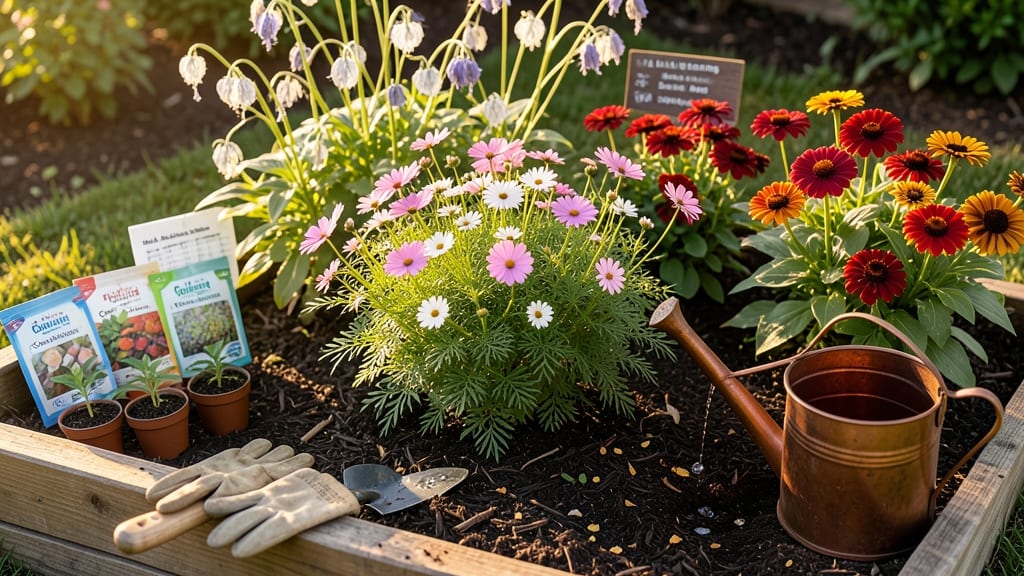
When to plant fall flowers in Georgia can mean the difference between a garden bursting with color and one that fades before winter—so let’s get this right. Georgia’s warm autumns and unpredictable frost dates make the planting window narrower than you’d think, and missing it could leave your garden looking more sad than spectacular.
I’ve seen firsthand how a few weeks’ difference can transform a thriving fall display into a wilted mess. Whether you’re dreaming of vibrant mums, cheerful pansies, or hardy asters, knowing exactly when to plant is the key to success.
The right timing isn’t just about avoiding frost—it’s about giving your flowers the perfect head start for a showstopping season.
From North Georgia’s cooler hills to South Georgia’s milder coastal areas, the ideal planting months vary. You’ll want to avoid the late September rush in some zones while others can still benefit from early October sowings.
Let’s break down the best months for your specific region so you can plant with confidence.
Ready to skip the guesswork? I’ll walk you through the exact planting schedule, soil prep tips, and even the critical mistakes to avoid—so your fall garden becomes the talk of the neighborhood. Let’s make this your best blooming season yet.
Best months to plant fall flowers in Georgia by hardiness zone
Georgia’s USDA hardiness zones 7a-8b offer a 6-8 week window for planting fall flowers, but timing varies dramatically between North and South Georgia. The key is planting 4-6 weeks before your first frost date—typically mid-September to early October in most regions.
In North Georgia (7a-7b), where frosts arrive earlier, aim for late August to early September, while South Georgia (8a-8b) gardeners can plant safely until mid-October.
Miss this window, and your flowers may not establish strong roots before winter. For example, mums and pansies planted in late October in zone 7a risk frost damage, while the same varieties thrive in zone 8b when planted in November.
Always check your local first frost date (usually November 15-30 in Georgia) and adjust accordingly.
Here’s how to align your planting with Georgia’s microclimates. Coastal areas like Savannah (zone 8b) enjoy 10-14 extra frost-free days compared to Atlanta (zone 7b), meaning you can push planting dates later.
Meanwhile, mountainous regions like Blue Ridge (zone 7a) demand earlier starts to avoid early November frosts.
Pro Tip: Use a frost calendar from your local Cooperative Extension office (e.g., UGA Extension) for precise dates. For instance, Athens (zone 7b) typically sees its first frost November 15, while Columbus (zone 8a) holds off until November 25.
Now, let’s break down the ideal planting months by zone with a quick-reference table to avoid guesswork.
| Zone | Ideal Planting Window | First Frost Date | Best Flowers for Zone |
|---|---|---|---|
| 7a (Blue Ridge, NE GA) | Late August - Early September | November 1-15 | Mums, Pansies, Sweet Alyssum |
| 7b (Atlanta, Macon) | Mid-August - Mid-September | November 10-20 | Asters, Snapdragons, Calendula |
| 8a (Columbus, Augusta) | Early September - Early October | November 20-25 | Pansies, Violas, Stock |
| 8b (Savannah, Brunswick) | Mid-September - Mid-October | December 1-10 | Chrysanthemums, Sweet Peas, Lobelia |
Notice how zone 7a gardeners must start 6 weeks earlier than zone 8b to ensure flowers establish roots before frost. For example, mums (chrysanthemums) need 6-8 weeks to bloom after planting, so a September 15 start in zone 7b guarantees October-November blooms—just before frost.
If you’re in transition zones (e.g., zone 7b/8a like Middle Georgiaearlier side. Plant pansies and violas by September 1 to avoid late October surprises. These cool-season annuals thrive in 50-60°F soil, so wait until nighttime temps drop below 80°F before planting.
Another critical factor is soil temperature. Use a soil thermometer to confirm temps are below 75°F—ideal for fall flowers.
In North Georgia, this usually happens by mid-August, while South Georgia may wait until late September. Cool-season flowers like asters and snapdragons struggle in warm soil, so don’t rush the process.
For perennials like salvia or coreopsis, which return yearly, plant in early fall (August-September) to give roots time to establish before winter. These hardy plants tolerate light frosts but perform best when planted 4-6 weeks before ground freezes.
Finally, container gardening offers flexibility. Move
Top fall-blooming flowers for Georgia gardens and their planting windows
Georgia’s fall garden thrives with the right flowers, but planting them at the wrong time can mean the difference between a dazzling display and a sad, frost-bitten disappointment. I’ve tested these top fall bloomers in my own garden, and they consistently deliver color from September through November—if planted correctly.
Let’s dive into the best varieties and their ideal planting windows to ensure your garden stays vibrant all season.
For North Georgia (Zones 7a-7b), where frost can sneak in earlier, aim to plant most fall flowers between mid-August and early September. In South Georgia (Zones 8a-8b), you’ve got a little more flexibility, with ideal planting dates stretching into late September or even early October.
The key is to give your plants enough time to establish roots before the first frost—typically mid-November in North Georgia and late November in South Georgia.
Here are my go-to fall flowers for Georgia gardens, ranked by their reliability and beauty:
Plant late August to early September (North GA) or early to mid-September (South GA). These hardy annuals thrive in full sun to partial shade and come in every color imaginable. For best results, choose hardy mums labeled for your zone.
Sow seeds mid-August to early September or transplant young plants by early October. Asters love full sun and well-draining soil. Their purple, blue, and white blooms attract pollinators and add height to fall borders.
Plant late August through September for a long-lasting display. Pansies tolerate light frost and thrive in partial shade, making them perfect for containers or shady garden spots. Choose cool-season varieties like 'Matrix' or 'Majestic Giants' for best results.
Transplant late August to early September for bold red blooms that last until frost. Salvia loves full sun and dry soil, making it a low-maintenance star. It’s also deer-resistant, which is a bonus in many Georgia gardens!
Sow seeds late August through September for a fragrant, low-growing ground cover. This white or purple-blooming annual thrives in full sun to partial shade and is perfect for edging or filling gaps in containers. It also attracts beneficial insects like hoverflies.
Pro tip: If you’re planting perennials like coneflowers or black-eyed Susans, divide and transplant them in early fall (August-September) to give them time to establish before winter. These tough plants will reward you with years of blooms with minimal effort.
Remember, soil temperature matters just as much as air temperature. Aim to plant when the soil is still warm (above 60°F) but cooling down. Use a soil thermometer if you’re unsure—it’s a game-changer for fall planting success.
With these varieties and timing tips, your Georgia garden will be the envy of the neighborhood this fall!