
Plants
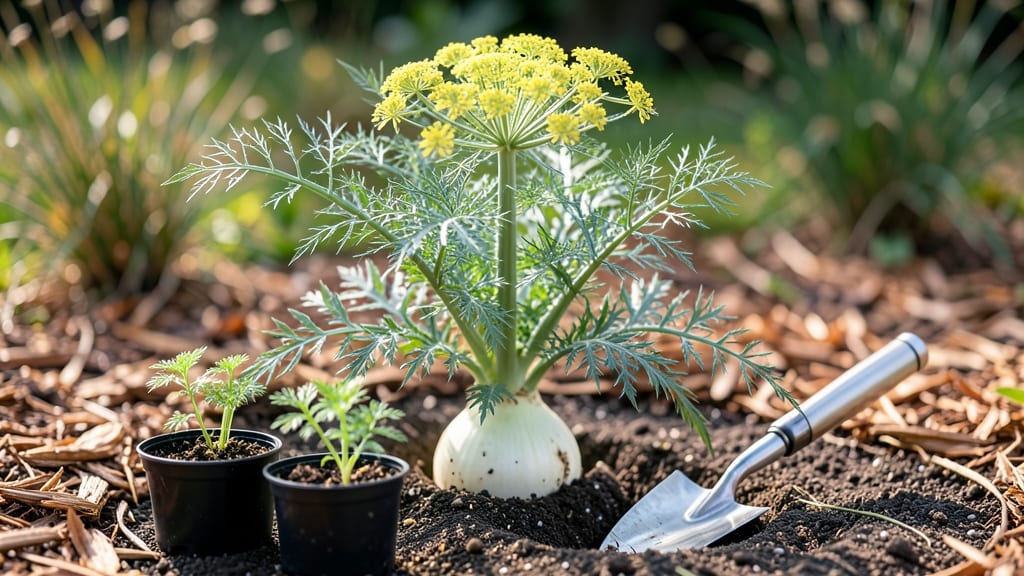
If you’ve ever tried when to plant fennel in zone 9 only to watch it bolt into bitter flowers before you can harvest, you’re not alone—and timing is the key to success.
Fennel 🌿 loves cool weather, but Zone 9’s scorching summers make planting at the wrong time a recipe for disappointment. The secret? Planting in late winter or early spring (January–February) when temperatures are mild, or opt for fall crops to avoid summer’s intense heat.
In this guide, I’ll walk you through the exact months to plant fennel in Zone 9, heat-resistant varieties that actually thrive here, and pro tips to keep your fennel sweet and productive—no matter how hot it gets.
Whether you’re a first-time gardener or a seasoned grower, these strategies will help you avoid bolting and enjoy fresh fennel from spring through early summer.
Best months to plant fennel in Zone 9 for maximum yield
Zone 9’s hot summers and mild winters create unique challenges for growing fennel. Unlike cooler climates, you can’t just plant in spring and expect success—fennel bolts quickly when temperatures rise above 75°F (24°C). The key is strategic timing to align with cooler seasons while maximizing your harvest window.
In Zone 9, the sweet spot for fennel planting is late winter to early spring, specifically January through March. This gives plants time to establish roots before summer heat arrives. However, with careful planning, you can also grow fennel in fall for a second harvest cycle.
Here’s the breakdown of optimal planting windows based on Zone 9’s climate patterns, including temperature thresholds and microclimate adjustments:
| Planting Window | Ideal Months | Temperature Range | Key Considerations |
|---|---|---|---|
| Spring Planting | January–March | 50–70°F (10–21°C) | Best for bulb fennel; avoid planting after March 15 to prevent bolting. |
| Fall Planting | August–September | 75–85°F (24–29°C) with cooling nights | Use shade cloth and mulch; harvest before December. |
| Winter Planting | November–December | 55–65°F (13–18°C) | Slow growth but minimal bolting risk; ideal for leaf fennel. |
For spring planting, aim to sow seeds 4–6 weeks before your last frost date (which is rare in Zone 9, but microclimates like high desert areas may experience light frosts).
In most of Zone 9, you can plant directly into the garden as early as January, but use row covers if nights dip below 40°F (4°C).
If you’re growing fennel for culinary use, prioritize bulb fennel varieties like ‘Florence Fennel,’ which are less likely to bolt in mild Zone 9 winters. For herbal use, leaf fennel varieties like ‘Sweet Green Top’ can handle slightly warmer conditions but still prefer cooler temps.
One common mistake in Zone 9 is planting too late in spring. By April, daytime temperatures often exceed 80°F (27°C), triggering bolting within 4–6 weeks. To extend your growing season, consider succession planting in fall—sow seeds in August for a harvest before winter sets in.
For container growing, timing is even more critical. Potted fennel heats up faster, so plant only in winter or early spring and move containers to shaded areas once temperatures rise above 75°F (24°C). Use lightweight potting mix to prevent root stress from heat.
Pro tip: Monitor your local heatwave forecasts. If a 10-day stretch of 90°F+ (32°C+) temperatures is predicted, pause planting until conditions cool. Fennel can survive brief heat spikes but will bolt or wilt under prolonged stress.
Finally, don’t overlook soil preparation. Zone 9 soils often compact under summer heat, so amend with compost and mulch heavily to retain moisture. Aim for well-draining soil with a pH of 6.0–7.0 to prevent fungal issues.
Best months to plant fennel in Zone 9 for maximum yield
In Zone 9, where summer temperatures can soar past 90°F (32°C), planting fennel at the wrong time will trigger bolting—turning your sweet, edible bulbs into bitter, flower-filled stalks.
The key is to plant when soil temperatures stay below 70°F (21°C), which gives fennel the cool conditions it craves.
For most of Zone 9, the ideal planting window is January through early March, right after the coolest winter months. This timing ensures your fennel matures before summer’s heat kicks in.
If you’re in a cooler microclimate (like higher elevations in Southern California), you might even squeeze in a late fall planting for a winter harvest.
Here’s the breakdown of your best planting months, temperature thresholds, and how to avoid summer bolting:
| Planting Window | Soil Temp Threshold | Harvest Window | Risk Level |
|---|---|---|---|
| Late January - Early March | Below 70°F (21°C) | March - May | Low (ideal) |
| Mid-March - Early April | Below 75°F (24°C) | April - June | Moderate (borderline) |
| Late August - Early September | Below 80°F (27°C) | October - November | Low (fall crop) |
| April - June | Above 75°F (24°C) | Bolting likely | High (avoid) |
If you’re planting in late summer (August-September) for a fall harvest, start seeds indoors in July to give them a head start. Transplant seedlings outdoors once nighttime temperatures drop below 80°F (27°C). This fall strategy works especially well in coastal Zone 9 areas where summers are less extreme.
For container growing, timing is even more critical. Pots heat up faster, so plant fennel in containers during the coolest months (January-March) and move them to partial shade by late April.
If you attempt summer container planting, expect bolting within 4-6 weeks unless you use shade cloth and frequent watering.
Pro tip: Monitor your fennel’s leaf color. If the leaves start turning yellow or purple, it’s a sign of heat stress—and bolting is right around the corner.
At that point, harvest what you can or pull the plant to make room for a more heat-tolerant herb like basil or cilantro. 🌱