
Plants
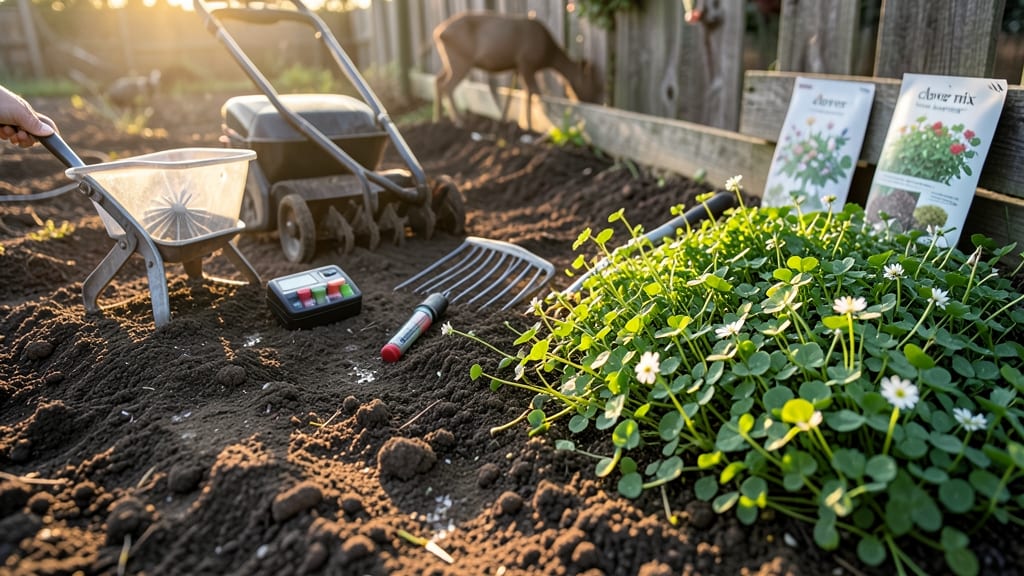
If you’ve ever watched a buck browse your food plots with disappointment, you already know when to plant food plots in Texas makes all the difference. The wrong timing means wasted seed, stunted growth, or—worse—missing the prime deer season entirely.
But get it right, and you’ll turn your property into a year-round buffet that keeps deer coming back.
Texas’s 8a-10b zones throw a wrench into the mix, with frost dates that shift dramatically from North to South. Planting clover in August might work in the Hill Country, but it’s a gamble in the Panhandle.
The key? Matching your seed to the microclimate—and knowing exactly when to prep the soil, plant, and fertilize for maximum impact.
I’ve broken down the month-by-month strategy so you can avoid costly mistakes, whether you’re seeding brassicas in early spring or warm-season mixes in late summer. Plus, I’ll share Texas-specific hacks to beat drought, heat, and poor soil—because even the best food plot fails without the right timing.
Ready to turn your land into a deer magnet? Let’s dive into the exact planting windows, species, and care tips that’ll keep your 🌾 food plots thriving—and your freezer stocked—all year.
Texas food plot planting calendar by month: ideal timing for each region
Timing your food plot planting in Texas isn't one-size-fits-all—it depends on your region's microclimate and the forage species you choose. North Texas faces earlier frosts, while South Texas rarely sees them, and Central Texas falls somewhere in between.
Understanding these monthly windows ensures your plot thrives year-round and keeps deer visiting.
For North Texas (USDA zones 7b-8a), aim to plant cool-season forages like clover and ryegrass between late August and early October to avoid early frosts. In Central Texas (zones 8a-8b), extend your window slightly—planting from mid-September to November works well.
Meanwhile, South Texas (zones 9a-10b) offers flexibility, allowing fall plantings until December and even warm-season forages like sorghum-sudangrass in April-May.
Here’s a breakdown of the best planting months for each region, including soil temperatures and ideal forage types to maximize deer attraction:
| Month | North Texas (Zones 7b-8a) | Central Texas (Zones 8a-8b) | South Texas (Zones 9a-10b) |
|---|---|---|---|
| August | Warm-season mixes (sorghum-sudangrass) | Warm-season mixes (sorghum-sudangrass) | Warm-season mixes (sorghum-sudangrass) |
| September | Clover + brassicas (frost-sensitive) | Clover + brassicas (extended window) | Clover + brassicas (safe until Oct) |
| October | Winter rye (late Oct) | Winter rye (Nov preferred) | Winter rye (Dec possible) |
| November | Avoid (frost risk) | Winter rye (ideal) | Winter rye or clover |
| April | Warm-season mixes (late April) | Warm-season mixes (April-May) | Warm-season mixes (April-June) |
| Soil Temp | 55-65°F (cool-season) | 60-70°F (cool-season) | 65-75°F (warm-season) |
In North Texas, frost can hit as early as mid-December, so planting winter rye after November 15 risks damage. Central Texas has a 2-week grace period—plant winter forages by November 1 to avoid early cold snaps.
Meanwhile, South Texas landowners can push boundaries, planting clover mixes until December and even warm-season forages in early April.
Pro tip: Use a soil thermometer to confirm temperatures—cool-season forages need 55-65°F soil temps, while warm-season mixes thrive at 70-80°F. This ensures germination and robust growth, setting your plot up for year-round deer traffic.
Layering cool-season and warm-season forages is key to success. For example, plant clover and brassicas in September for fall/winter forage, then follow up with sorghum-sudangrass in April for summer growth. This overlapping strategy keeps deer fed and your property active year-round.
Don’t forget to test your soil pH before planting—most forages prefer 6.0-7.0. Adjust with lime if needed, and consider cover crops like winter rye to protect soil health during off-seasons.
For North Texas, aim to have cool-season plots established by October 15 to avoid frost damage. In Central Texas, extend this to November 1, and in South Texas, you can plant winter forages until December 1
Best food plot species for Texas seasons and their planting windows
Texas’s diverse climate zones mean your food plot success hinges on choosing the right species and timing. Cool-season forages like clover and rye thrive in fall/winter, while warm-season mixes such as sorghum-sudangrass dominate summer. The trick? Layering crops to keep deer fed year-round without overworking your land.
For North Texas (USDA zones 7b-8a), aim for late August to early September planting of warm-season forages like millet or sorghum. These crops handle the heat and provide late-summer forage before frost hits.
Meanwhile, Central and South Texas can push warm-season planting into September or even October thanks to milder winters.
Cool-season forages—such as annual ryegrass and wheat—are your best bet for fall planting (October-November). These establish roots before winter and explode in growth come spring, offering peak nutrition during rut season (October-December). In South Texas (zones 9a-10b), you can even plant cool-season forages as late as December and still see strong growth.
| Species | Best Planting Window | Peak Deer Impact | Texas Region Fit |
|---|---|---|---|
| Clover (White Dutch, Crimson) | August-September (warm) or October-November (cool) | Spring-Fall (avoid frost) | All regions (best in North/Central) |
| Brassicas (Turnips, Radishes, Kale) | September-October (fall) or February-March (spring) | Winter-Spring (high protein) | North/Central (frost-sensitive) |
| Sorghum-Sudangrass | May-July (warm-season) | Summer-Fall (drought-tolerant) | All regions (best in South) |
| Annual Ryegrass | September-October (fall) or February (spring) | Winter-Spring (soft texture) | North/Central (avoid South) |
| Winter Wheat | October-November (fall) | Spring (high biomass) | North/Central (frost-hardy) |
Layering crops is where Texas food plot magic happens. For example, plant sorghum-sudangrass in June for summer forage, then follow up with annual ryegrass in September to bridge the gap until winter wheat or clover takes over in October-November.
This year-round strategy ensures deer always have fresh, nutritious forage—even during lean months.
Don’t overlook brassicas like turnips and radishes for high-protein winter forage. These bolt quickly in heat, so plant them in September or February for peak growth during rut season. Pair them with clover or ryegrass to extend their effectiveness and provide a mix of textures deer love.
Pro tip: Test your soil before planting—Texas soils often lack phosphorus, which stunts forage growth. Aim for a pH of 6.0-7.0 and amend with lime or fertilizer as needed. With the right species and timing, your food plot will become a deer destination year-round, not just during hunting season. 🌿