
Trees
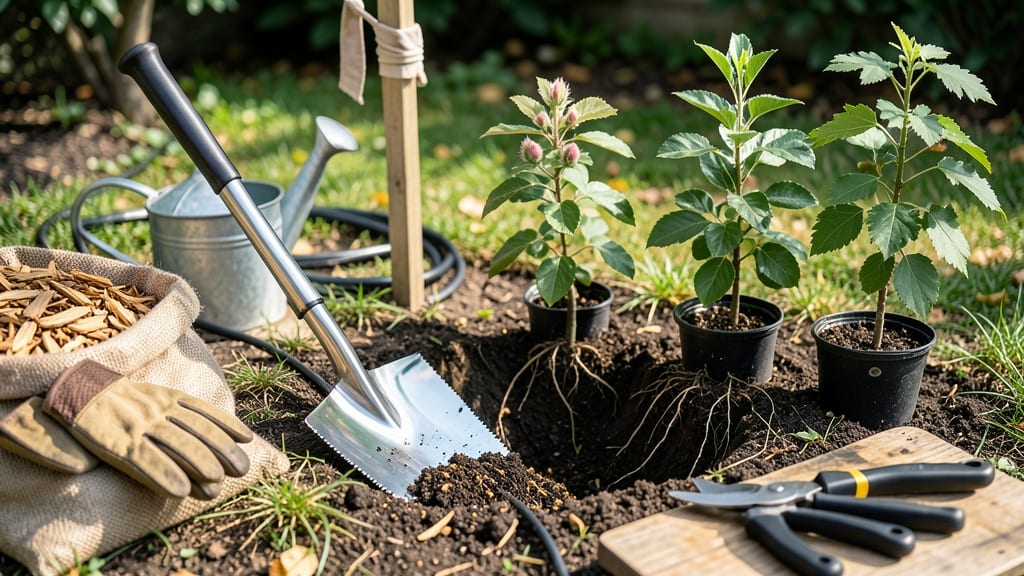
Timing your fruit trees 🍎 planting in North Texas isn't just about the calendar—it's about beating the heat, avoiding early frosts, and giving your trees the best shot at thriving.
Plant too soon, and you risk scorching young roots before they can establish; too late, and winter's chill might stunt growth before spring even arrives.
For North Texas gardeners in zone 8a, late winter to early spring—February through March—is your golden window. This timing lets peaches, figs, and persimmons settle in before the summer sun peaks, setting them up for better yields and stronger roots.
But not all fruit trees are created equal—peaches need cooler soil to root, while citrus thrives with a head start before the heat. I’ll break down the exact months for each variety, plus soil prep tips to make sure your trees take hold like pros.
Whether you're planting bare-root saplings or container-grown trees, these insights will help you avoid common pitfalls and grow fruit that’s the envy of the neighborhood. Let’s get those trees in the ground the right way!
Best planting months for fruit trees in North Texas by variety
North Texas gardeners face unique challenges with its hot summers and unpredictable freezes. The key to success? Planting your fruit trees during their dormant season when temperatures are mild.
For most varieties, this means late winter to early spring—just as the last frost threat passes but before summer’s scorching heat sets in.
In USDA Zones 7b-8a, the ideal window spans from February through April. However, citrus trees and figs have different needs due to their sensitivity to cold. Let’s break down the best months for each popular fruit tree variety to maximize your harvest potential.
🌱
| Variety | Best Planting Months | Key Notes | North Texas Adaptations |
|---|---|---|---|
| Peach | Late February - Early March | Dormant planting; avoid bud break | Choose Elberta or Redhaven varieties for heat tolerance |
| Plum | February - March | Bare-root preferred; well-draining soil | Santa Rosa plums thrive in North Texas heat |
| Fig | March - April | Container-friendly; transplant after last frost | Celeste or Brown Turkey varieties recommended |
| Apple | February - March | Dwarf varieties ideal for small spaces | Anna or Dorsett Golden are heat-tolerant |
| Citrus (Orange, Lemon) | April - May | Must avoid frost; container-growing recommended | Meyer lemon is most cold-hardy option |
| Persimmon | February - March | Slow-growing; needs full sun | Fuyu variety performs well in Zone 8a |
For Dallas-Fort Worth gardeners in Zone 8a, early March is typically the safest bet for most fruit trees. However, if you’re in Lubbock or West Texas (Zone 7b), wait until mid-March to avoid late spring freezes that can damage new growth.
Pro tip: Bare-root trees should always be planted in their dormant season, while container-grown trees offer more flexibility and can be planted year-round—except during extreme heat or cold snaps.
If you miss the spring window, some varieties like figs and citrus can tolerate fall planting (September-October), but they’ll need extra protection from winter freezes. Always check your local cooperative extension service for microclimate-specific advice.
Remember: The goal is to give your trees 6-8 weeks of root establishment before summer’s heat stress begins. This means planting peaches and plums by early March ensures they’re ready for flowering season in April.
🌳
Critical factors that determine your fruit tree’s success in North Texas
North Texas’ unpredictable climate—sweltering summers, sudden frost, and heavy clay soil—can make or break your fruit tree planting. The right timing isn’t just about the calendar; it’s about soil temperature, frost risk, and even rainfall patterns.
For example, planting peach trees too early in February risks root burn from warming soil, while waiting until May might leave them vulnerable to late-spring freezes.
I’ve seen firsthand how local microclimates matter—Dallas’ urban heat island keeps soil warmer than rural Lubbock, shifting ideal planting windows by weeks. Even the moon phase can influence root growth, though it’s secondary to these big-picture factors.
Let’s break down what truly separates thriving orchards from failed plantings in our region.
Soil temperature is your #1 priority. Most fruit trees need soil at 50–60°F to root successfully. In North Texas, this typically aligns with late February to early March, but citrus varieties (like Meyer lemons) can handle slightly warmer soil. Use a soil thermometer to check—planting when temps are too high stresses young roots, leading to stunted growth.
🌱Frost dates are another critical factor. The average last frost in North Texas hovers around March 15, but late frosts can hit as late as April 10. If you plant bare-root trees too close to frost season, new growth can get nipped before roots establish.
For container-grown trees, this risk is lower, but timing still matters—transplant them 2–3 weeks before your expected last frost.
⚠️ Late Spring vs. Fall Planting Risks
Planting in late spring (May–June): High heat stresses roots; young trees may wilt without deep watering. Drought risk spikes after June 1.
Planting in fall (October–November): Trees may not establish roots before first frost (avg. Nov 15). Citrus is the exception—plant in late winter for best success.
Pro Tip: Always mulch heavily (3–4 inches) to insulate roots and retain moisture.
Don’t overlook soil drainage. North Texas’ clay-heavy soil can drown roots if not amended.
Before planting, dig a 12-inch hole and check for standing water—if it pools after 6 hours, you’ll need to raise the planting mound or mix in compost and sand. Fig trees and persimmons tolerate poorer drainage better than peaches or plums, which need well-draining soil to thrive.
Finally, watering schedules make or break new plantings. In the first 30 days, water deeply 2–3 times per week (15–20 gallons per tree) to encourage root growth.
After that, shift to weekly deep watering—shallow watering encourages weak, surface roots that can’t handle Texas heat. Drip irrigation is ideal; it delivers water directly to roots without wetting foliage (which reduces fungal risks).
By mastering these critical factors, you’ll give your fruit trees the best shot at success—no matter which variety you choose or when you plant. Next, I’ll walk you through soil prep to ensure your trees have the perfect foundation to grow strong and productive.