
Plants
Figuring out when to plant fall crops in Zone 8 can feel like solving a puzzle—one wrong move, and your kale bolts or your carrots turn woody before you even taste them.
But here's the good news: Zone 8's mild winters give you a second chance to grow a thriving garden, as long as you nail the timing.
Most gardeners assume fall planting is just about throwing seeds in the dirt after summer's heat fades. That couldn't be further from the truth.
The key is understanding your local microclimate—whether you're coastal or inland—and working backward from your first frost date (December 15 in most of Zone 8). Get this wrong, and you'll either have bitter greens or plants that never mature.
In this guide, I'll break down the exact month-by-month schedule for your favorite fall crops—from broccoli to spinach—plus how to adjust for heatwaves, elevation changes, and even last-minute saves with row covers. No more guessing whether your lettuce will bolt by Halloween or your carrots stay crisp through Thanksgiving.
Ready to turn your late-summer garden into a harvest goldmine? Let's dive into the precise planting windows that'll keep your fall crops happy, healthy, and ready to eat—without the stress of rushed timelines or wasted seeds.
Zone 8 fall planting calendar: exact months for each cool-season crop
Zone 8 gardeners have a golden window for fall planting—typically from mid-August to early October. But timing varies by crop, and planting too late risks bolting (premature flowering) or frost damage. The key is to start 4-6 weeks before your first frost date (usually December 15 in Zone 8).
For leafy greens like spinach and lettuce, aim for late August to mid-September. These fast growers tolerate cooler temps but bolt quickly if exposed to heatwaves after planting. Root crops like carrots and beets need 8-10 weeks to mature, so plant them by mid-September at the latest.
Broccoli, cauliflower, and kale are hardier and can handle cooler temps, so they get a later start—mid-September to early October. These brassicas thrive in 50-65°F soil and can even survive light frosts, giving you a longer harvest window.
Here’s your Zone 8 Fall Planting Timeline for the most popular cool-season crops, including last-chance dates to avoid bolting or frost:
Pro tip: Use row covers or cold frames to extend your harvest into November or December. These tools add 4-6°F protection, shielding crops from light frosts while still allowing sunlight for growth.
For herbs like cilantro and parsley, plant in late August to early September.
These cool-loving annuals bolt quickly in heat, so avoid planting after September 10 unless you’re using shade cloth. Dill and parsley are exceptions—they handle cooler temps well and can even overwinter in Zone 8 with mulch.
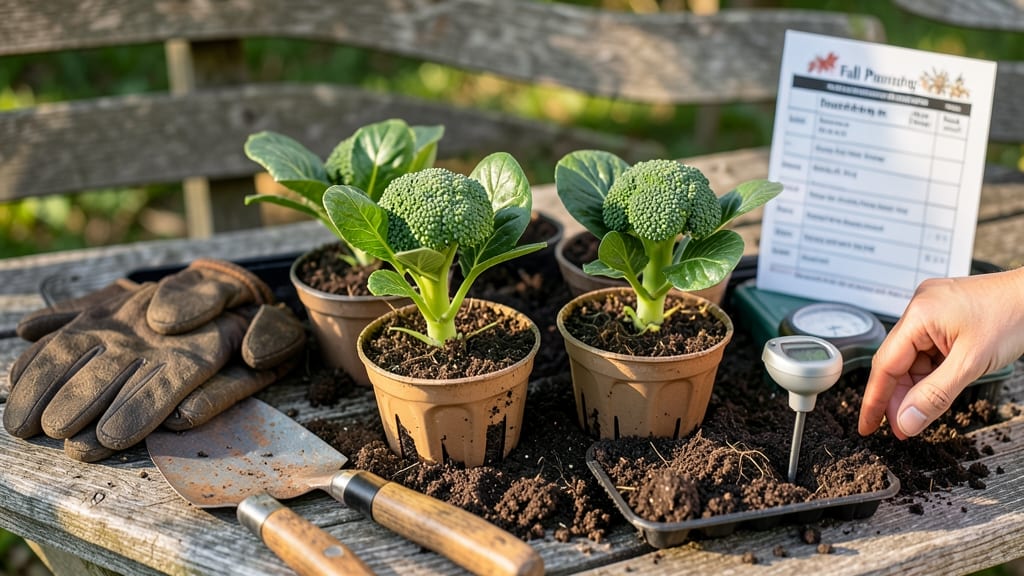
Remember, soil temperature matters more than air temperature. Use a soil thermometer to ensure temps are below 80°F before planting. If your soil is still too warm, wait a week or use shade cloth to cool it down.
Start with container-grown seedlings for faster results, especially for broccoli and cauliflower. These transplants give you a 2-3 week head start over direct-seeded crops, which is critical in Zone 8’s shortened fall window.
Once planted, mulch heavily with straw or leaves to insulate roots from temperature swings. This keeps soil 5-10°F warmer during the day and cooler at night, preventing stress that leads to bolting.
Zone 8 fall planting calendar: exact months for each cool-season crop
Zone 8 gardeners have a golden window for fall planting that stretches from mid-August to early October, but not all crops thrive on the same schedule.
The trick is planting 6-8 weeks before your first frost date (December 15 in most of Zone 8) to ensure harvests before winter sets in. For example, broccoli and kale need a longer growing season, while radishes and spinach mature quickly and can handle later starts.
Your planting timeline should also account for heat tolerance. Crops like lettuce and carrots bolt when daytime temps stay above 75°F, so starting them in late August (when soil temps drop below 80°F) gives them the best shot at success.
Meanwhile, cabbage and Brussels sprouts can handle slightly warmer soil and often do well with September starts.
Pro tip: Use this 8-week rule for most cool-season crops—count backward from your frost date to determine your planting window. For instance, if your first frost is December 15, October 15 is your last chance to plant crops needing 60 days to mature.
This method eliminates guesswork and ensures you're always harvesting at peak flavor.
Don't overlook succession planting for quick-maturing crops like radishes and lettuce. By sowing new seeds every 2 weeks in September, you'll enjoy a steady supply of fresh greens instead of one overwhelming harvest. This technique also minimizes waste if your first planting bolts due to unexpected heat.
For coastal Zone 8 gardeners, extend your window slightly—milder ocean breezes can delay frost until December 20, giving you an extra 2-3 weeks for late starts. Inland areas, however, should stick to the earlier timeline to avoid unpredictable cold snaps that can damage tender seedlings.
Remember: Soil temperature matters more than air temperature. Use a soil thermometer to confirm temps are below 80°F before planting heat-sensitive crops. If your soil stays warm into September, opt for shade-tolerant varieties like 'Black Seeded Simpson' lettuce or 'Winterbor' kale.